Solid-State Batteries Take Flight: 410 Wh/kg Energy Density Propels Aircraft to 24,000 Feet
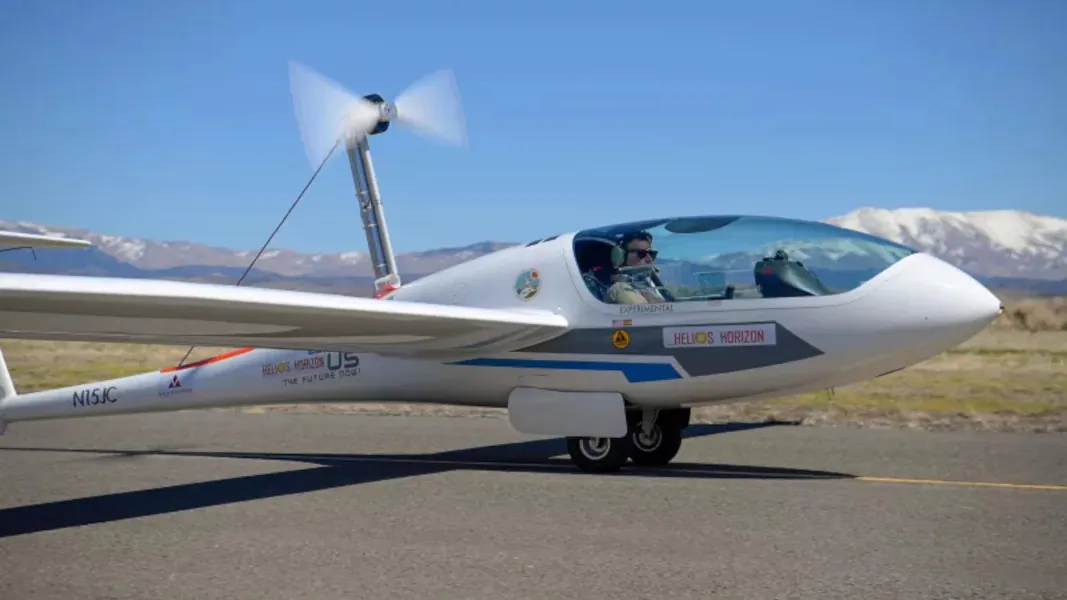
A research team has successfully integrated solid-state batteries into a modified motorized glider, achieving an energy density of 410 Wh/kg — far exceeding the 250 Wh/kg of conventional lithium-ion batteries. Combined with wing-mounted solar panels, the aircraft climbed to 24,000 feet (7,315 m). The technology uses a solid lithium anode instead of graphite, boosting energy density while significantly reducing thermal runaway risk, marking a key milestone for electric aviation.
Highlights
- A research team achieved 410 Wh/kg energy density using solid-state batteries in a modified motorized glider, a 64% improvement over the 250 Wh/kg of conventional lithium-ion packs.
- The test aircraft, fitted with solid-state batteries and wing-mounted solar panels, reached an altitude of 24,000 feet (7,315 m).
- Solid-state batteries use solid lithium anodes instead of graphite and non-flammable solid electrolytes, substantially reducing thermal runaway risk compared to lithium-ion cells.
- Cost-competitive mass production — not technical viability — remains the primary obstacle to widespread solid-state battery adoption in aviation.
- Successful commercialization of solid-state batteries could enable full electrification of drones, general aviation, and commercial airlines, supporting the sector's decarbonization goals.
Among humanity's most sought-after technological breakthroughs — fusion energy, quantum computing, fully autonomous vehicles — battery technology capable of eliminating dependence on fossil fuels has long seemed equally out of reach. While lithium batteries have already driven the electric revolution on the ground, their energy density has remained insufficient for full electrification, especially in aviation. Solid-state batteries (SSBs), however, may be on the verge of changing that. A research team has now deployed solid-state batteries in an actual test aircraft, achieving a significant milestone for the emerging technology.
The Technology: Solid Lithium Anodes Deliver Major Energy Gains
The dramatic improvement in energy density offered by solid-state batteries stems from the use of a solid lithium anode, which stores far more energy per kilogram than the graphite anodes found in conventional liquid-electrolyte cells. Safety is also enhanced: because solid electrolytes are generally non-flammable, the risk of thermal runaway — a potentially catastrophic chain reaction — is substantially reduced compared to traditional lithium-ion batteries.
Test Results: Climbing to 7,315 Metres
The demonstration used a modified motorized glider as the test platform, delivering impressive results:
- Standard lithium-ion battery pack: energy density of 250 Wh/kg
- New solid-state battery pack: energy density of 410 Wh/kg
- Combined with wing-mounted solar panels, the aircraft climbed to 24,000 feet (7,315 m)
The roughly 64% improvement in energy density translates directly into meaningful gains in range and endurance for electric aircraft.
From Motorized Glider to Commercial Airliner: A Long Road Ahead
Admittedly, a motorized glider is a long way from a battery-powered commercial jet. Nevertheless, tests of this kind are critical to advancing the decarbonization of aviation — one of the sectors with the greatest impact on the global climate. If electric aircraft can achieve operating cost reductions comparable to those of EVs over internal combustion vehicles, the price of air travel could fall significantly in the long run.
Mass Production: The Real Barrier
The biggest obstacle to widespread adoption of solid-state batteries is not technical feasibility, but rather achieving cost-competitive mass production. This mirrors the challenges that have kept algae biofuels and economically viable carbon capture from scaling up — the science works, but manufacturing costs remain a formidable barrier.
Once the mass-production challenge is solved, the full electrification of everything from drones and general aviation to commercial airlines may no longer be a distant dream.
原文來源: 查看原文
FAQ
Reviewed and published by the LAETimes editorial desk ·