Ultrasonic Espresso Extraction Technology Cuts Energy Use by Up to 75%
Researchers have developed an 'ultrasonic espresso' technique that uses high-frequency sound waves instead of hot water to extract espresso-grade flavor at room temperature. Blind taste tests showed the result is comparable to traditional espresso, while energy consumption during brewing can be reduced by up to 75%, positioning it as a potential low-carbon coffee solution.
Highlights
- Ultrasonic espresso technology uses high-frequency sound waves to extract espresso-grade coffee at room temperature, eliminating the need for heat or high pressure.
- Energy consumption during ultrasonic coffee extraction can be reduced by up to 75% compared to traditional espresso brewing methods.
- Blind taste tests showed consumers rated the flavor of ultrasonic espresso as comparable to conventionally brewed espresso.
- The research was published in a peer-reviewed academic journal and covered by The Conversation, generating widespread discussion in the tech community.
- The technology remains in the research phase; commercialization into home or café equipment requires further development and optimization.
Ultrasonic Coffee Extraction Technology Achieves Up to 75% Energy Savings
A breakthrough study has demonstrated that high-frequency sound waves can be used to extract espresso-quality coffee at room temperature — dramatically reducing energy consumption by as much as 75% compared to conventional brewing methods.
What Is Ultrasonic Espresso?
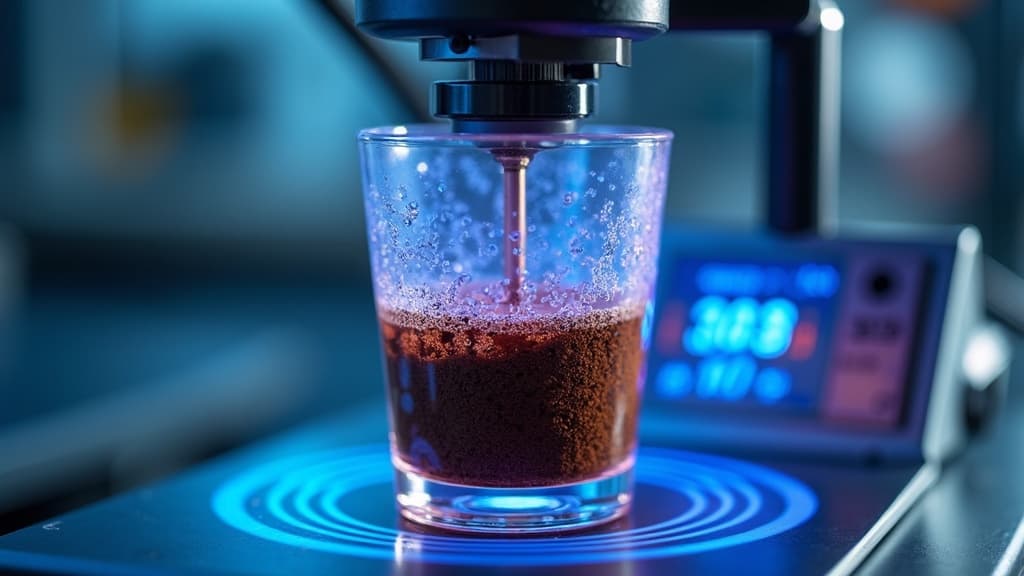
Researchers have developed what they call 'Ultrasonic Espresso' technology, which replaces the high-temperature, high-pressure hot water used in traditional espresso machines with high-frequency sound waves (ultrasound). The process extracts coffee compounds at room temperature, eliminating the need for heating entirely.
Conventional espresso machines must heat water to high temperatures and apply significant pressure to extract rich flavor compounds from coffee grounds in a short time — a process that is inherently energy-intensive. Ultrasonic technology achieves a comparable extraction effect through the microbubbles and pressure waves generated by acoustic vibrations, without any heat input, resulting in substantially greater energy efficiency.
Taste on Par with Traditional Espresso
The research team conducted blind taste tests with coffee drinkers, and participants rated the flavor of ultrasonic espresso as comparable to that of conventionally brewed espresso. The absence of a heating step did not produce any notable degradation in taste — a finding that carries significant implications for the technology's potential commercialization.
Substantial Energy-Saving Potential
According to the research report, the ultrasonic extraction process can consume up to 75% less energy than traditional brewing methods. Given that billions of cups of coffee are consumed globally every day, widespread adoption of this technology could deliver considerable overall energy savings and meaningful reductions in carbon emissions.
The findings were published in an academic journal and were cited by The Conversation, sparking broad discussion in the technology community. The breakthrough is being recognized as a significant development in low-carbon food and beverage technology.
Outlook
The technology remains at the research stage, and commercial-scale production is still some way off. The researchers stated that future work will focus on refining ultrasonic extraction parameters to improve flavor consistency and on exploring pathways to integrate the technology into home or commercial coffee equipment.
原文來源: 查看原文
FAQ
Newsletter
Subscribe to our Low-Altitude Industry Newsletter
Daily curated news on low-altitude economy and drone industry, delivered to your inbox.
Reviewed and published by the LAETimes editorial desk ·