The Next Supply Chain Challenge for Drones: Rare Earth Magnets
A bipartisan bill introduced in the U.S. Congress targets rare earth permanent magnets — a critical component in drone motors — aiming to reduce American dependence on Chinese suppliers and build a domestic magnet supply chain to support the long-term growth of the U.S. drone industry.
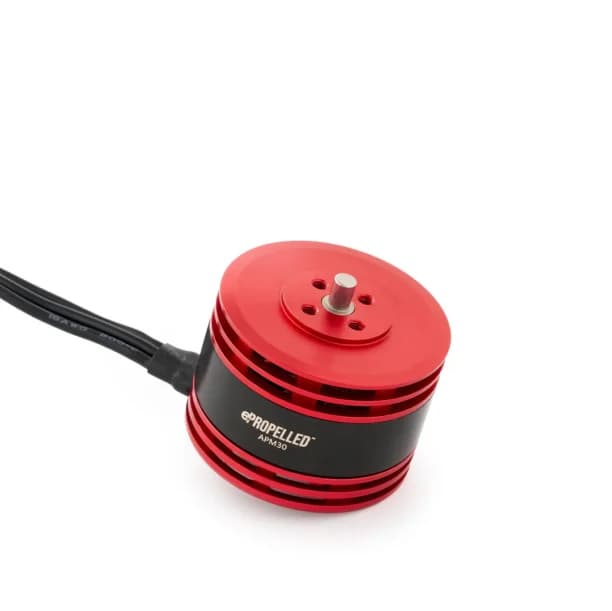
Highlights
- U.S. Representatives John Moolenaar (R-MI) and Ro Khanna (D-CA) introduced a bipartisan bill to build a domestic rare earth permanent magnet supply chain and reduce dependence on China.
- Rare earth permanent magnets are a critical component in drone brushless motors, directly affecting efficiency, power density, and flight performance.
- China currently dominates global rare earth magnet production and refining, creating a supply chain bottleneck that persists even when drone assembly is completed in the United States.
- The legislation targets the full production chain — from mining and refining to finished magnet manufacturing — and covers drones, EVs, wind energy, and defense systems.
- Industry observers say drone supply chain security concerns have shifted from the finished-product level to the component level, with further policy measures on critical materials expected.
Bipartisan Legislation Takes Aim at Rare Earth Magnet Supply Chain
A new bipartisan bill has emerged in the U.S. Congress with the goal of strengthening domestic magnet supply chains, focusing on a frequently overlooked but critical component in the drone industry: the permanent magnets that power electric motors.
The bill was introduced jointly by Representative John Moolenaar (R-MI), Chairman of the House Select Committee on the Chinese Communist Party, and Representative Ro Khanna (D-CA), the committee's Ranking Member. Its central aim is to reduce America's heavy reliance on Chinese-produced rare earth magnets.
Why Rare Earth Magnets Matter
Rare earth permanent magnets are a core component of the brushless electric motors used in drones, directly influencing motor efficiency, power density, and overall flight performance. Today, the production and refining of rare earth permanent magnets is heavily concentrated in China, exposing a wide range of high-tech industries — including drones — to significant supply chain risk.
As the United States has intensified efforts in recent years to reduce its dependence on Chinese-made drones, domestic substitution at both the finished-product and component levels has become a policy priority. Yet even when drone assembly and software development are carried out on U.S. soil, the rare earth magnets inside the motors continue to come largely from China — a bottleneck that is increasingly difficult to ignore.
Core Objectives of the Bill
The bipartisan legislation seeks to deploy policy tools that would foster a complete rare earth magnet manufacturing capability within the United States — spanning mining, refining, processing, and finished-product manufacturing — in order to reduce over-reliance on any single country. The implications extend well beyond drones, touching electric vehicles, wind power generation, and defense weapons systems.
Impact on the Drone Industry
For the rapidly expanding U.S. drone industry, localizing the rare earth magnet supply chain represents a critical step toward ensuring long-term stability. This is especially true as the U.S. government progressively tightens restrictions on the procurement of Chinese-made drones, making supply chain decoupling at every level an unavoidable challenge for the industry.
Industry observers note that this legislative action signals that drone supply chain security has deepened from the finished-product level down to the component level. Future policy measures may extend further to cover other critical materials and parts.
原文來源: 查看原文
FAQ
Newsletter
Subscribe to our Low-Altitude Industry Newsletter
Daily curated news on low-altitude economy and drone industry, delivered to your inbox.
Reviewed and published by the LAETimes editorial desk ·