Humanoid Assistance Robots and Fully Autonomous Drone Systems: The Next Integration Frontier
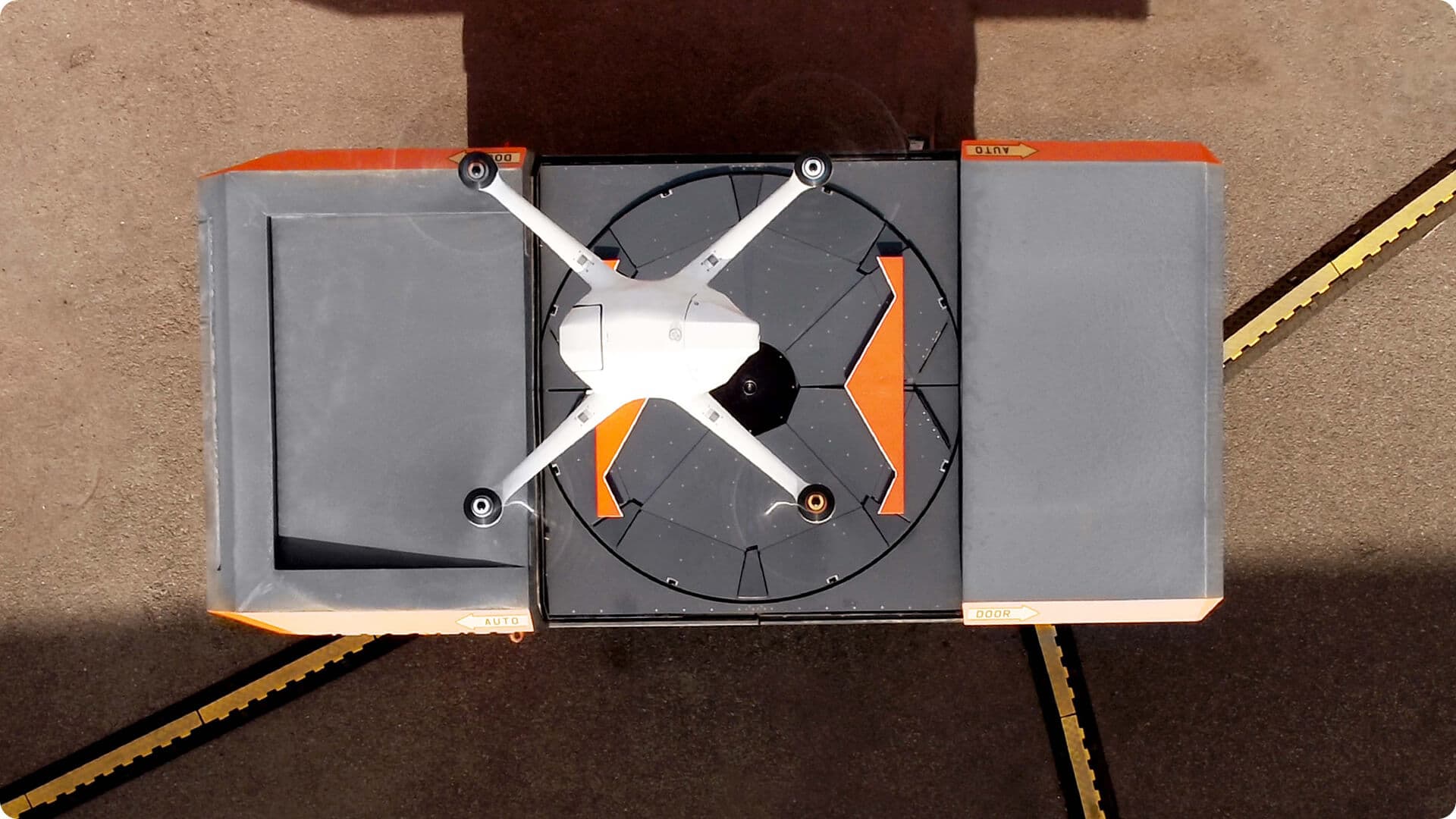
Israeli drone company Airobotics, a specialist in fully autonomous drone systems for industrial, urban, and critical infrastructure environments, is exploring the integration of humanoid assistance robots into its unmanned ecosystem. The combination aims to create a fully automated, human-intervention-free operational framework that transforms drones from occasional tools into permanent aerial infrastructure.
Highlights
- Airobotics is an Israeli company specializing in fully autonomous drone systems that require zero human intervention for takeoff, landing, recharging, and mission execution.
- Airobotics is exploring integration of humanoid assistance robots with its drone platform to enable fully automated ground-and-air operations across industrial and urban environments.
- The combined system targets three core sectors: industrial facilities, urban management, and critical infrastructure including power plants, ports, and water utilities.
- Airobotics positions its autonomous drones as permanent aerial infrastructure rather than on-demand tools, enabling continuous surveillance and rapid emergency response.
- The humanoid robot addition is expected to extend the system's capabilities to precise ground-level tasks, complementing the drones' aerial reconnaissance and logistics functions.
Humanoid Assistance Robots and Fully Autonomous Drone Systems: The Next Integration Frontier
Israeli drone technology company Airobotics has long specialized in fully autonomous drone systems, engineering solutions designed for the day-to-day operational demands of industrial sites, urban environments, and critical infrastructure — all without requiring human operators in the loop.
Airobotics' Core Technology Philosophy
The defining characteristic of the Airobotics platform is its end-to-end autonomy: drones take off, land, recharge, and execute missions automatically, maintaining continuous aerial surveillance and enabling rapid emergency response at any time. This operational model elevates drones from occasional-use tools to permanent aerial infrastructure — always on, always available.
The Role of Humanoid Assistance Robots
As humanoid robot technology advances rapidly, Airobotics has begun exploring the integration of humanoid assistance robots into its autonomous systems architecture. Under this vision, humanoid robots handle precise ground-level tasks — manipulation, inspection, and intervention — while autonomous drones manage aerial reconnaissance, surveillance, and logistics. Together, the two platforms form a complementary, fully automated operational ecosystem capable of handling complex, multi-domain missions.
Promising Application Scenarios
This human-machine collaborative framework holds significant potential across several high-value domains:
- Industrial facilities: Site security patrols and equipment anomaly detection
- Urban management: Traffic monitoring and rapid emergency response
- Critical infrastructure protection: Around-the-clock surveillance of power plants, ports, and water utilities
Outlook
Through continuous innovation, Airobotics is committed to building a fully autonomous operational ecosystem that eliminates the need for human intervention. The addition of humanoid robots is expected to significantly strengthen the system's ground-level execution capabilities, opening new possibilities for smart city applications and industrial automation.
Source: Airobotics official release
原文來源: 查看原文
FAQ
Reviewed and published by the LAETimes editorial desk ·