Jumping Spider Eyes Inspire Ultra-Low-Power 3D Depth-Sensing Camera for Drones and Robotics
Researchers at Northwestern University have developed a biomimetic 3D depth-sensing camera inspired by the unique eye structure of jumping spiders. The device consumes less power than a night light and could be integrated into drones, robots, wearables, and assistive devices, significantly extending battery life while enabling accurate spatial perception.
Highlights
- Northwestern University developed a 3D depth-sensing camera inspired by jumping spider eyes, consuming less power than a standard night light.
- The bioinspired design overcomes the high power demands of conventional 3D sensing technologies such as ToF sensors and structured light systems.
- Potential applications include drones (extended flight time and obstacle avoidance), robots, smart wearables, and assistive devices for the visually impaired.
- Successful commercialization could significantly reduce the power footprint of sensing systems in battery-driven drones and robots.
- Northwestern University has publicly released the research findings; commercial application timelines have not yet been confirmed.
Jumping Spider Eyes Inspire Ultra-Low-Power 3D Depth-Sensing Camera for Drones and Robotics
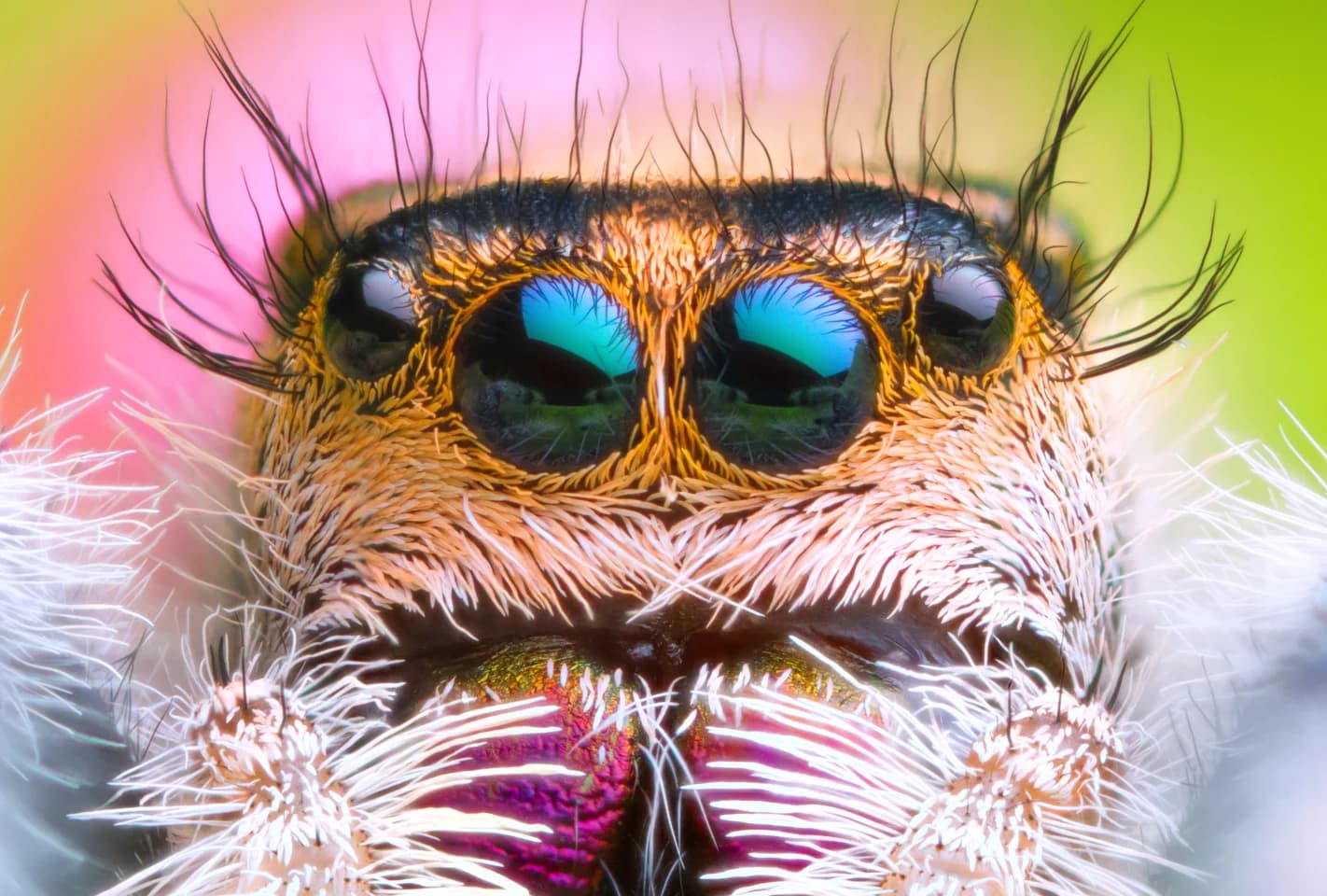
A research team at Northwestern University has drawn inspiration from the remarkable visual system of jumping spiders (Salticidae) to develop a revolutionary 3D depth-sensing camera. The device operates at exceptionally low power — consuming even less electricity than a night light — and could become a key sensing component for the next generation of battery-powered devices.
A Biomimetic Breakthrough
Jumping spiders possess multiple pairs of eyes, each serving a distinct function, allowing them to accurately gauge distance and depth without expending significant energy. By replicating this biological architecture, the Northwestern researchers designed a novel optical sensing framework that achieves ultra-low power consumption well beyond the reach of conventional 3D cameras.
Traditional 3D depth-sensing technologies — such as time-of-flight (ToF) sensors and structured light systems — have long been constrained by relatively high power demands, making them difficult to integrate into lightweight or battery-dependent platforms.
Wide-Ranging Application Potential
The bioinspired 3D camera holds promise across a broad spectrum of applications:
- Drones: Low-power depth sensing can extend flight endurance and enhance obstacle detection and avoidance capabilities
- Robotics: Delivers precise spatial awareness while maintaining longer operational runtimes
- Wearables: Enables 3D perception in smartwatches and smart glasses without a significant increase in power draw
- Assistive devices: Supports environmental awareness for users with visual impairments and other special needs
A New Milestone in Biomimicry
This research marks a significant advancement in the application of biomimicry to imaging and sensing technology. Should the Northwestern University findings be successfully commercialized, the technology could substantially reduce the power footprint of sensing systems in drones and robots, accelerating the broader industry's shift toward lighter, more energy-efficient platforms.
The findings have been publicly released by Northwestern University, and the industry is watching closely for developments in commercial applications.
原文來源: 查看原文
FAQ
Reviewed and published by the LAETimes editorial desk ·