UK to Authorise Prisons, Power Plants and Airports to Counter Hostile Drone Incursions
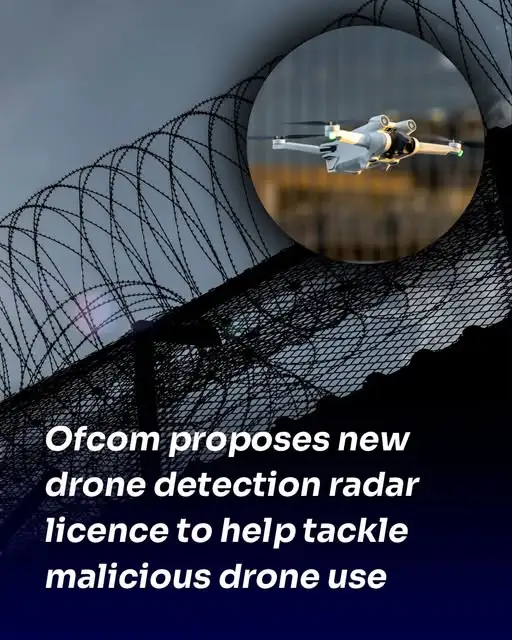
The UK government plans to grant prisons, power facilities and airports stronger legal authority to deploy counter-drone measures against hostile unmanned aircraft. Proposed regulatory amendments would allow designated critical infrastructure sites to take active countermeasures, addressing a growing security threat from rogue drones.
Highlights
- The UK government plans to grant prisons, power plants and airports explicit legal authority to actively counter hostile drone incursions.
- Current aviation law leaves critical infrastructure operators legally exposed when attempting to intercept or disable rogue drones.
- Proposed measures would permit authorised personnel to jam, intercept or disable hostile drones without liability under existing aviation regulations.
- Prisons have reported repeated drone-assisted contraband drops, while airports have faced flight delays and runway closures due to drone intrusions.
- Full legislative details and an implementation timeline have not yet been formally announced by the UK government.
Prisons, power stations and airports are set to receive clearer legal authority to defend against hostile drone threats and incursion activity, as the UK government moves to address a rapidly evolving security challenge.
As drone technology becomes increasingly accessible, incidents involving unmanned aircraft being used to harass sensitive facilities, conduct surveillance or smuggle contraband have become alarmingly frequent. The UK's latest policy shift aims to equip these high-risk sites with lawful countermeasures, enabling a proactive defensive posture rather than the reactive approach that has left operators exposed.
Critical Infrastructure Under Growing Drone Threat
Prisons have repeatedly faced incidents in which drones have been used to drop drugs, mobile phones and other prohibited items inside facility perimeters. Airports have suffered significant economic disruption after rogue drones entered controlled airspace, forcing flight delays and runway closures on multiple occasions. Power generation facilities, meanwhile, face risks from drone-based reconnaissance and potential sabotage.
Expanded Counter-UAS Powers Under New Regulations
The proposed policy would permit authorised security personnel at designated sites to jam, intercept or disable hostile drones under specific conditions, without fear of liability under existing aviation legislation. The move is widely regarded as a critical step in balancing public safety requirements against the rights of legitimate drone operators.
Industry Response and Operational Challenges
The counter-UAS (C-UAS) industry has broadly welcomed the development, with operators noting that clear legal authorisation will accelerate the deployment of protective technologies at vulnerable sites. However, ensuring that countermeasures do not inadvertently affect lawful drone flights in the vicinity remains a significant operational and technical challenge.
Full legislative details and an implementation timeline are yet to be formally announced by the government.
原文來源: 查看原文
FAQ
Reviewed and published by the LAETimes editorial desk ·