Boynton Beach Approves $90K Axon Drone Program 4–1 Amid Budget Controversy
The Boynton Beach City Commission voted 4–1 on June 16 to approve an Axon Drone as First Responder package totaling $125,000, with a single drone unit costing $90,000. The sole dissenting vote came from Commissioner Aimee Kelley, who questioned the timing of the procurement amid ongoing salary freeze discussions. The program uses the Skydio X10 with 5G connectivity, thermal imaging, and automated launch capabilities to support the city's Real Time Crime Center.
Highlights
- Boynton Beach市議會於2024年6月16日以4比1投票通過12.5萬美元Axon無人機首發者採購案。
- 單台Skydio X10無人機設備費用為9萬美元,首筆付款延至2027年10月1日。
- 唯一反對票委員Aimee Kelley表示,在市府討論薪資凍結期間承諾新硬體採購時機不當。
- 奧蘭多曾批准683萬美元、棕櫚灘曾簽署210萬美元的Axon-Skydio合約,Boynton Beach為同類計畫中的入門規模。
- DJI聯邦限制措施迫使各地方政府轉向高價非DJI選項,直接推高警用無人機採購成本。
Boynton Beach Approves Police Drone First Responder Program Amid Budget Debate
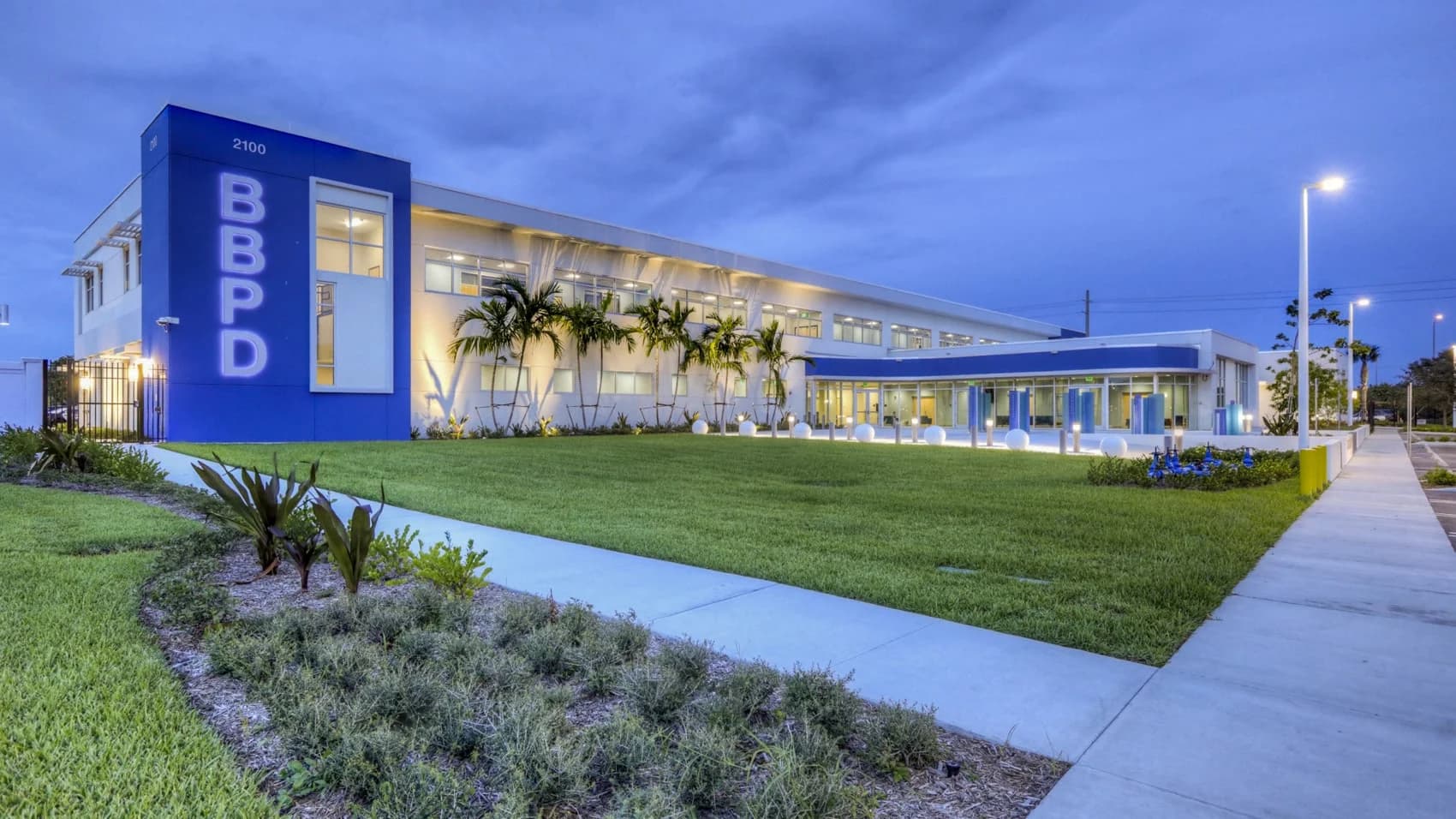
Boynton Beach, Florida's Drone as First Responder program has been officially approved — but not without friction. The City Commission voted 4–1 on June 16 to authorize the Axon drone package procurement. The sole dissenting vote came from Commissioner Aimee Kelley, who raised concerns about the timing of the purchase while the city is still in early budget negotiations.
Image credit: Boynton Beach Police Department
The drones will support the city's Real Time Crime Center and assist with priority emergency calls. The first payment has been deferred to October 1, 2027.
Commission Passes Axon Purchase 4–1
The deal moved forward after city staff explained why Boynton Beach was re-entering the procurement process. The city had previously terminated a Drone as First Responder contract after the original vendor failed to deliver equipment within a reasonable timeframe, leaving the program without functioning hardware.
The replacement solution is an Axon system integrated with the police department's Real Time Crime Center. City staff described the package as including a drone dock, 5G connectivity, thermal imaging, mapping, and auto-launch capabilities — the standard configuration for modern first responder drone deployments, where aircraft can lift off the moment a call comes in.
This operational model has spread rapidly across Florida this year: drones launch from docks, stream live footage to commanders, and arrive on scene before patrol cars, giving officers situational awareness before they step out of their vehicles.
A Budget Structure Built Around a Single Drone
Boynton Beach chose to start small. The city budgeted $125,000 for the program, with $90,000 for a single Drone as First Responder unit covered by the building department, and the remaining roughly $65,000 annually drawn from a transportation safety fund rather than the city's general fund — a structure designed to avoid a direct hit to the main budget.
The payment schedule also softened the immediate fiscal impact. With the first payment deferred to October 1, 2027, the financial commitment falls in a future budget year rather than the current one. That timing gave four commissioners the comfort to vote yes.
Commissioner Aimee Kelley Declined to Support the Timing
According to the Boca Post, Kelley was clear that her opposition was not directed at drones themselves. She said she supports the program, but could not back the purchase at this moment while the city is still working through staffing concerns, a potential salary freeze, and overall budget uncertainty. Committing to new hardware spending while simultaneously discussing a wage freeze was a line she was unwilling to cross.
Commissioner Aimee Kelley. Image credit: Commissioner Aimee Kelley Facebook page
Other commissioners took a different position, citing operational benefits: drones aid in locating missing persons, accelerate officer response times, and support emergency calls. The measure passed 4–1, with Kelley in opposition.
Her objection is worth noting because it identifies the real fault line in these programs — the technology works, and the debate is almost always about the cost and when the city has to pay for it.
Axon with Skydio X10 Is the Premium Default
The hardware embedded in the Axon package is the Skydio X10 — virtually every agency adopting this type of program through Axon receives this aircraft paired with Axon's software platform. The Skydio X10 is a capable platform, featuring thermal cameras, high-magnification zoom sensors, and full autonomous dock-based operations. Its price reflects its positioning as a premium, domestically manufactured product.
Image credit: Jorge Murillo
Purchase figures from elsewhere in Florida put this in context: Orlando approved a $6.83 million Axon-Skydio package covering 11 drones across 9 docks; Palm Beach signed a five-year, $2.1 million Axon contract that includes 3 X10 units. Against that backdrop, Boynton Beach's single-unit $90,000 purchase is simply the entry-level version of the same expensive product line.
The reason agencies are willing to pay is that the previously more affordable and proven alternative has been effectively removed from consideration. DJI hardware offers comparable specifications at significantly lower cost, but federal restrictions have made any agency spending public funds treat DJI as a political liability. So cities buy non-DJI, absorbing the price premium one drone at a time.
DroneXL Perspective
Stripped of the official language, Boynton Beach is simply a small city wrestling with whether it can afford to put drones in the air. Four commissioners said yes, largely because the bill doesn't arrive until late 2027. One commissioner said not right now, because discussing a salary freeze and a drone purchase in the same breath is difficult to reconcile. Both positions are defensible, and that's precisely the problem.
There is an uncomfortable reality underneath this vote: this isn't a fight Boynton Beach chose. The DJI ban is a political decision, not a technical one, and the cost is being absorbed by local budgets. Ninety thousand dollars for a single drone is what happens when the affordable, high-performance option is taken off the table and only the premium tier remains.
Wealthier agencies can absorb it. Many smaller ones cannot — and they are not choosing Skydio because of its performance advantages; they are choosing between an Axon-Skydio program they can barely afford and nothing at all.
Kelley lost the vote, but the question she raised will determine which communities end up with drone coverage and which stay grounded. Watch over the next year how many small Florida police departments announce these programs — and how many quietly conclude the math doesn't work.
Image credits: Commissioner Aimee Kelley Facebook page, Boynton Beach Police Department, Jorge Murillo
原文來源: 查看原文
FAQ
Newsletter
Subscribe to our Low-Altitude Industry Newsletter
Daily curated news on low-altitude economy and drone industry, delivered to your inbox.
Reviewed and published by the LAETimes editorial desk ·