DJI FlyCart 100 Takes on Everest: Replacing a Deadly 8-Hour Trek with an 8-Minute Flight
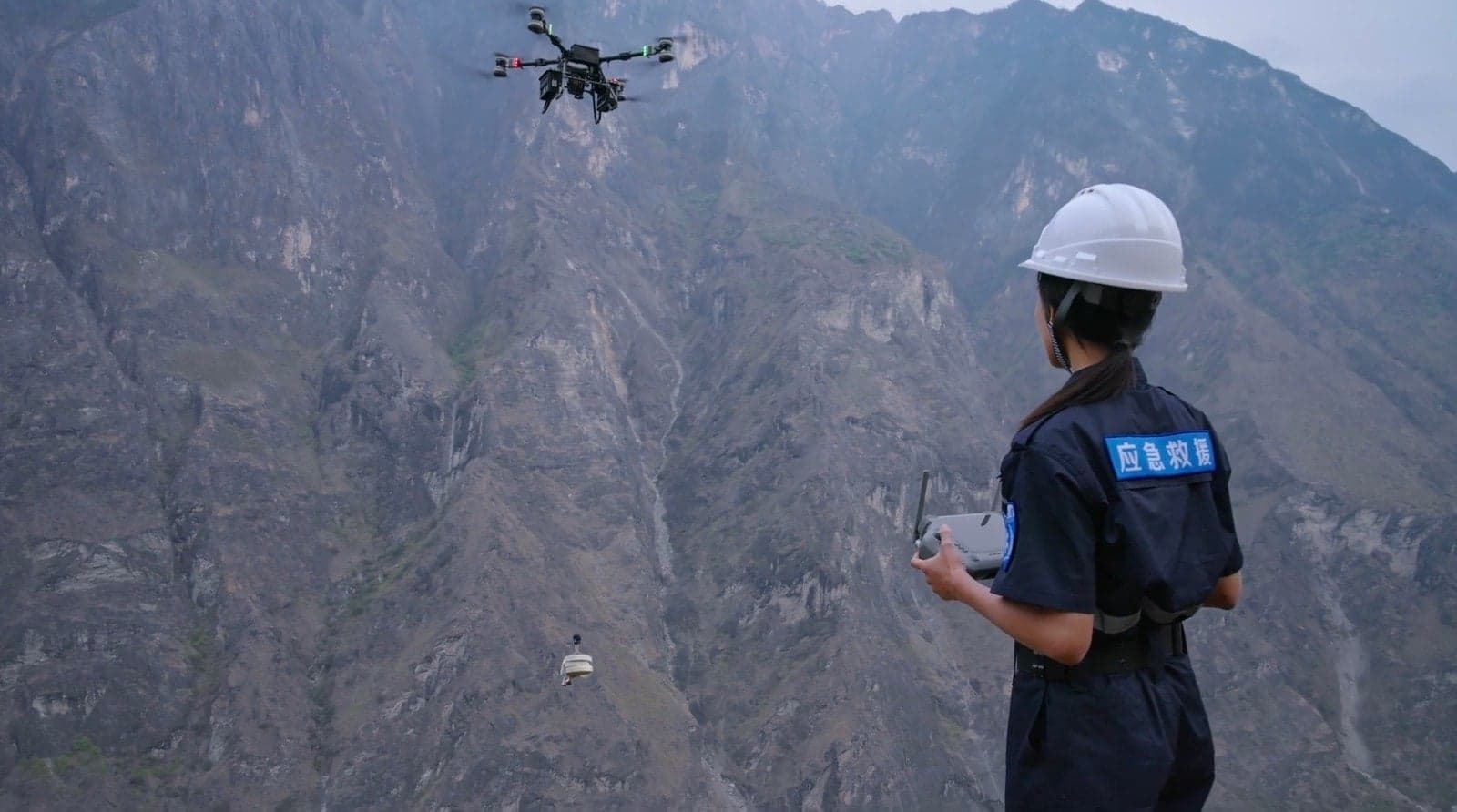
During the 2026 Everest climbing season, a DJI FlyCart 100 cargo drone ferried over 22,000 lbs (approximately 10,000 kg) of oxygen cylinders, fixed ropes, aluminum ladders, and accumulated trash across the treacherous Khumbu Icefall — compressing a journey that once took Sherpa guides 6 to 8 hours of life-threatening trekking into an 8-minute drone flight.
Highlights
- A DJI FlyCart 100 transported over 22,000 lbs (approx. 10,000 kg) of oxygen, ropes, ladders, and waste across the Khumbu Icefall during the 2026 Everest climbing season.
- The drone reduced a 6-to-8-hour, life-threatening Sherpa carry through the icefall to an 8-minute flight, sharply cutting Sherpas' exposure to hazardous conditions.
- The FlyCart 100 is a heavy-lift commercial cargo drone designed for high-altitude, sub-zero, and adverse-weather operations.
- The deployment highlights a paradox: the waste and supply volumes requiring airlift exist because of the large number of human climbers ascending Everest each year.
- The operation is considered a landmark milestone for high-altitude drone logistics, offering a replicable model for remote rescue, resupply, and environmental clean-up missions.
During the 2026 Mount Everest climbing season, a DJI FlyCart 100 cargo drone took on heavy-lift logistics across the notorious Khumbu Icefall, transporting more than 22,000 lbs (approximately 10,000 kg) of oxygen cylinders, fixed ropes, aluminum ladders, and accumulated mountain waste.
Eight Minutes in Place of an Eight-Hour Ordeal
The Khumbu Icefall — a constantly shifting maze of collapsing seracs and hidden crevasses — ranks among the most dangerous sections of the standard Everest climbing route. Sherpa guides have historically had to make repeated carries through this section, each round trip consuming 6 to 8 grueling and life-threatening hours. The deployment of the DJI FlyCart 100 compressed those same supply runs to just 8 minutes per flight, dramatically reducing the time Sherpas spend exposed to the icefall's hazards.
A Technical Milestone That Prompts an Uncomfortable Reflection
The achievement is significant — but it also invites a deeper environmental reckoning. The sheer volume of waste and supplies that required airlifting exists precisely because of the thousands of climbers who attempt Everest each year. In other words, the human footprint on the mountain created the very problem that the FlyCart 100 was brought in to help solve.
The DJI FlyCart 100 is a purpose-built heavy-lift commercial cargo drone engineered for high-payload missions in demanding conditions — including high altitude, sub-zero temperatures, and severe weather. Its successful deployment on Everest represents a compelling real-world validation of commercial drone capability at the extreme end of the operational envelope.
A Blueprint for High-Altitude Drone Logistics
Beyond the 2026 climbing season, this operation stands as an important milestone for high-altitude drone logistics. It offers a proven technical model for future applications in remote mountain rescue, resupply missions, and environmental clean-up operations in areas where conventional transport is dangerous or impossible.
原文來源: 查看原文
FAQ
Reviewed and published by the LAETimes editorial desk ·