Shell Game Exposed: FCC Fines 10 Tech Companies for Circumventing U.S. Drone Bans
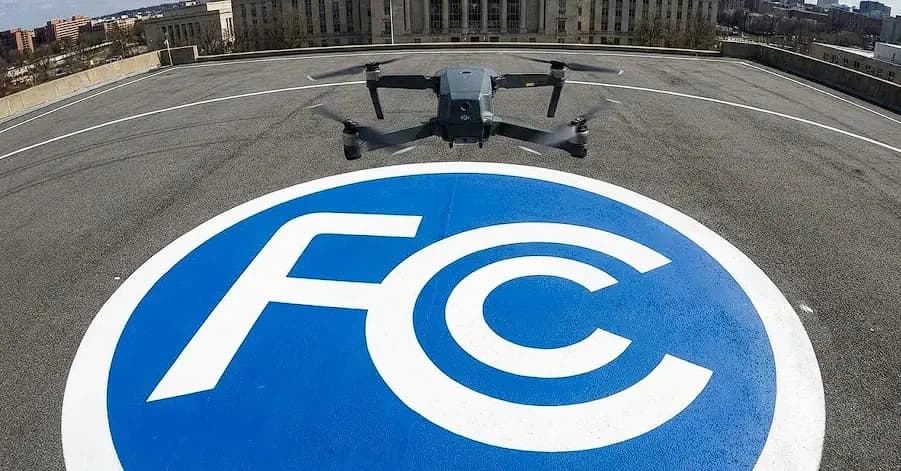
The U.S. Federal Communications Commission (FCC) has issued $25,000 fines to 10 tech companies, including Cogito Tech and Spatial Hover, for obstructing an investigation into the illegal sale of banned drones and surveillance equipment deemed threats to national security. The companies allegedly used rebranding and repackaging tactics—dubbed a 'shell game'—to evade U.S. government restrictions on certain drone and surveillance device brands.
Highlights
- The FCC issued $25,000 fines to 10 tech companies, including Cogito Tech and Spatial Hover, for obstructing a federal investigation into banned drone and surveillance equipment sales.
- Companies allegedly used a 'shell game' strategy—repackaging and rebranding prohibited products—to evade U.S. government bans on certain drone brands deemed national security threats.
- The FCC stated that obstructing an official investigation is itself a violation, signaling zero tolerance for non-cooperation with enforcement inquiries.
- The enforcement action is part of a broader U.S. government effort to close loopholes that allow banned drone and surveillance technology to enter the American market.
- The case highlights increasing regulatory scrutiny on companies attempting to circumvent U.S. restrictions on foreign-sourced drones and surveillance devices.
The U.S. Federal Communications Commission (FCC) has levied $25,000 fines against 10 technology companies—including Cogito Tech and Spatial Hover—for obstructing a federal investigation into the illegal sale of banned drones and surveillance equipment identified as threats to U.S. national security.
Investigation Background
The FCC inquiry centers on allegations that certain companies employed a so-called "shell game" strategy to circumvent U.S. government prohibitions on specific brands and sources of drones and surveillance devices. By repackaging products and swapping brand names, the companies allegedly continued to channel banned equipment into the American market in defiance of existing restrictions.
Penalty Details
All 10 companies were fined $25,000 each for refusing to cooperate with the FCC investigation and failing to provide requested information and documentation. The FCC made clear that obstructing an official investigation is itself a regulatory violation, and signaled a zero-tolerance stance toward non-cooperation with its enforcement processes.
National Security Considerations
In recent years, U.S. authorities have significantly tightened controls on drones and surveillance equipment from certain sources, citing potential risks to national security, critical infrastructure, and individual privacy. The FCC's enforcement action is widely seen as a key step in preserving the effectiveness of existing bans and closing loopholes that bad actors have exploited.
The case also underscores a broader trend of U.S. regulators actively pursuing companies that attempt to circumvent technology restrictions, sending a strong signal that efforts to disguise or rebrand prohibited products will face legal consequences.
原文來源: 查看原文
FAQ
Newsletter
Subscribe to our Low-Altitude Industry Newsletter
Daily curated news on low-altitude economy and drone industry, delivered to your inbox.
Reviewed and published by the LAETimes editorial desk ·