Fortem and MBDA Bring Autonomous Drone Interceptors Into Existing Air-Defense Networks
Fortem Technologies and MBDA have expanded their strategic partnership to integrate DroneHunter and the jointly developed FireThorn autonomous interceptors into air-defense architectures already used by MBDA customers. The arrangement builds on their 2024 integration work for Sky Warden, enabling operators to add another counter-UAS layer without fielding a separate system. Any sales will remain subject to applicable export approvals.
Fortem and MBDA deepen autonomous counter-UAS integration.
Key points
- Fortem and MBDA expand their counter-UAS alliance
- MBDA will offer DroneHunter to existing customers
- FireThorn targets one-way attack drones
- MBDA supplies a NATO-approved warhead
- Sales remain subject to export licenses

Highlights
- Fortem Technologies and MBDA expanded a strategic counter-UAS partnership first established in 2024.
- Fortem integrated DroneHunter into MBDA’s Sky Warden counter-UAS architecture during the companies’ 2024 technical collaboration.
- MBDA will offer DroneHunter so customers can add Fortem’s autonomous interceptor as a layer within existing air-defense networks.
- Fortem and MBDA jointly developed FireThorn to counter one-way attack drones, including Shaheds/Gerans and Orlans.
- FireThorn combines Fortem’s radar-guided autonomous airframe with an MBDA warhead approved by NATO.
Fortem Technologies is expanding its strategic partnership with European missile manufacturer MBDA, seeking to make autonomous drone interceptors an integrated layer within air-defense networks already operated by MBDA customers. The agreement covers Fortem’s DroneHunter platform and FireThorn, an interceptor jointly developed by the two companies.
The approach is intended to let military operators incorporate Fortem’s counter-UAS capabilities into existing command and defense architectures rather than procure and deploy an entirely separate system. MBDA will offer DroneHunter interceptors to customers, although any resulting transactions will remain subject to applicable export licenses.
Building on the Sky Warden integration
The expanded arrangement follows a technical partnership established in 2024, when Fortem’s autonomous DroneHunter interceptor was integrated into MBDA’s Sky Warden counter-UAS architecture. Sky Warden is designed as a layered framework that can combine sensors, command-and-control functions and effectors selected for different classes of drone threats.
Under the new agreement, DroneHunter can become another defensive layer inside the air-defense networks used by MBDA customers. This integration model is significant because counter-UAS procurement increasingly centers on open or modular architectures. Armed forces want the ability to add new sensors and interceptors as threats evolve, without replacing the wider network or operating multiple isolated systems.
DroneHunter is an autonomous interceptor designed to engage hostile drones after detection and tracking. Its inclusion in an established air-defense architecture could also allow operators to coordinate engagements with other effectors and select a response appropriate to the target, operating environment and applicable rules of engagement.
FireThorn addresses one-way attack drones
Fortem and MBDA will also jointly offer FireThorn, a fully autonomous interceptor developed to defeat one-way attack drones and other hostile uncrewed aircraft. The companies specifically identify Shaheds/Gerans and Orlans among the intended threat set.
FireThorn combines Fortem’s radar-guided autonomous airframe with an MBDA warhead approved by NATO. The interceptor is designed to destroy its target through kinetic action, bringing together Fortem’s autonomous guidance and interception technology with MBDA’s experience in military effectors and warhead integration.
The focus on one-way attack aircraft reflects the growing operational demand for defenses that can respond to repeated or coordinated drone attacks. Integrating such interceptors into a broader air-defense system may help operators manage detection, identification and engagement through an established command structure. However, the announcement does not disclose order values, customer names, delivery schedules, production volumes or planned deployment dates.
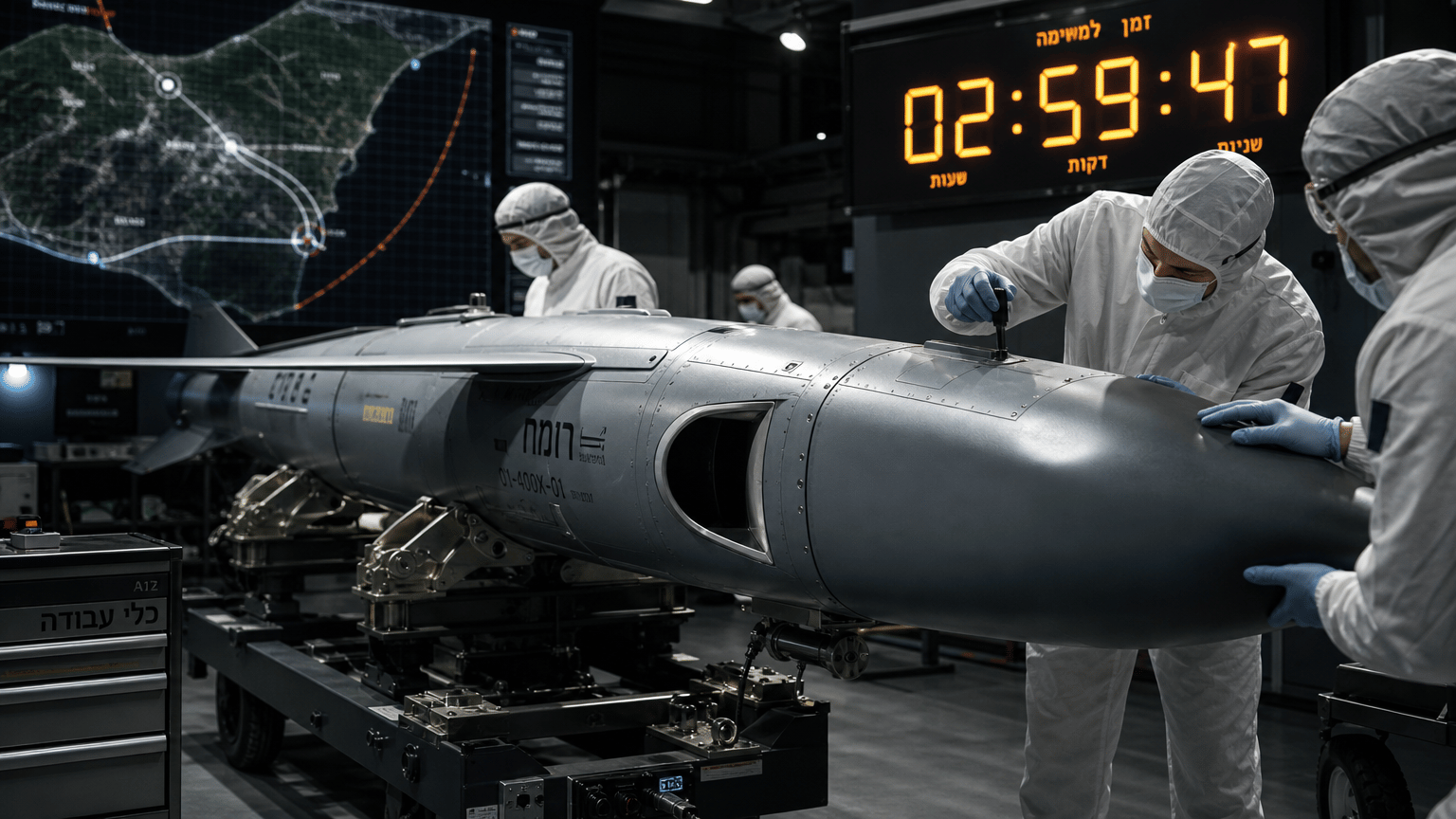
An accompanying image supplied by Fortem Technologies shows DroneHunter operating on a mission.
Counter-UAS market directory promoted
Unmanned Airspace also announced that the September 2026 edition of its Unmanned Airspace Global Counter-UAS Systems Directory is available. The publication describes itself as the only comprehensive and continuously updated global directory covering counter-UAS companies and systems.
The directory lists more than 1,000 counter-UAS products and services, including performance details, company sales information and partnership arrangements. It is updated monthly and divides the market into specialist segments such as net capture systems, missiles, interceptor drones and detectors, providing procurement and industry professionals with a comparative view of global capabilities and market positioning.
The directory is offered in word, PDF and excel formats, with several discounts available to Unmanned Airspace readers. Further information is available from editor Philip Butterworth-Hayes at philip@unmannedairspace.info. The article was originally published by Unmanned Airspace.
What it means for Taiwan
For Taiwan’s drone manufacturers, defense suppliers and industry associations, the agreement illustrates how autonomous interceptors can enter the market through integration with an established air-defense prime contractor rather than as standalone products. Local radar, communications, guidance and airframe suppliers could use this model when pursuing international partnerships, but MBDA sales will depend on export approvals and no deployment timetable has been announced. Civilian operators providing infrastructure inspection, exterior cleaning or crop spraying are unlikely to procure kinetic interceptors directly. However, operators working near military bases, ports or critical infrastructure may face tighter airspace coordination, identification and incident-reporting requirements as layered counter-UAS systems are introduced. Procurement teams should therefore prioritize Remote ID compatibility, documented authorization procedures and reliable command links before bidding for work at protected sites.
FAQ
Reviewed and published by the LAETimes editorial desk ·