Lucid Bots Partners with Veterans Nonprofit to Launch $75,000 Drone Business Program
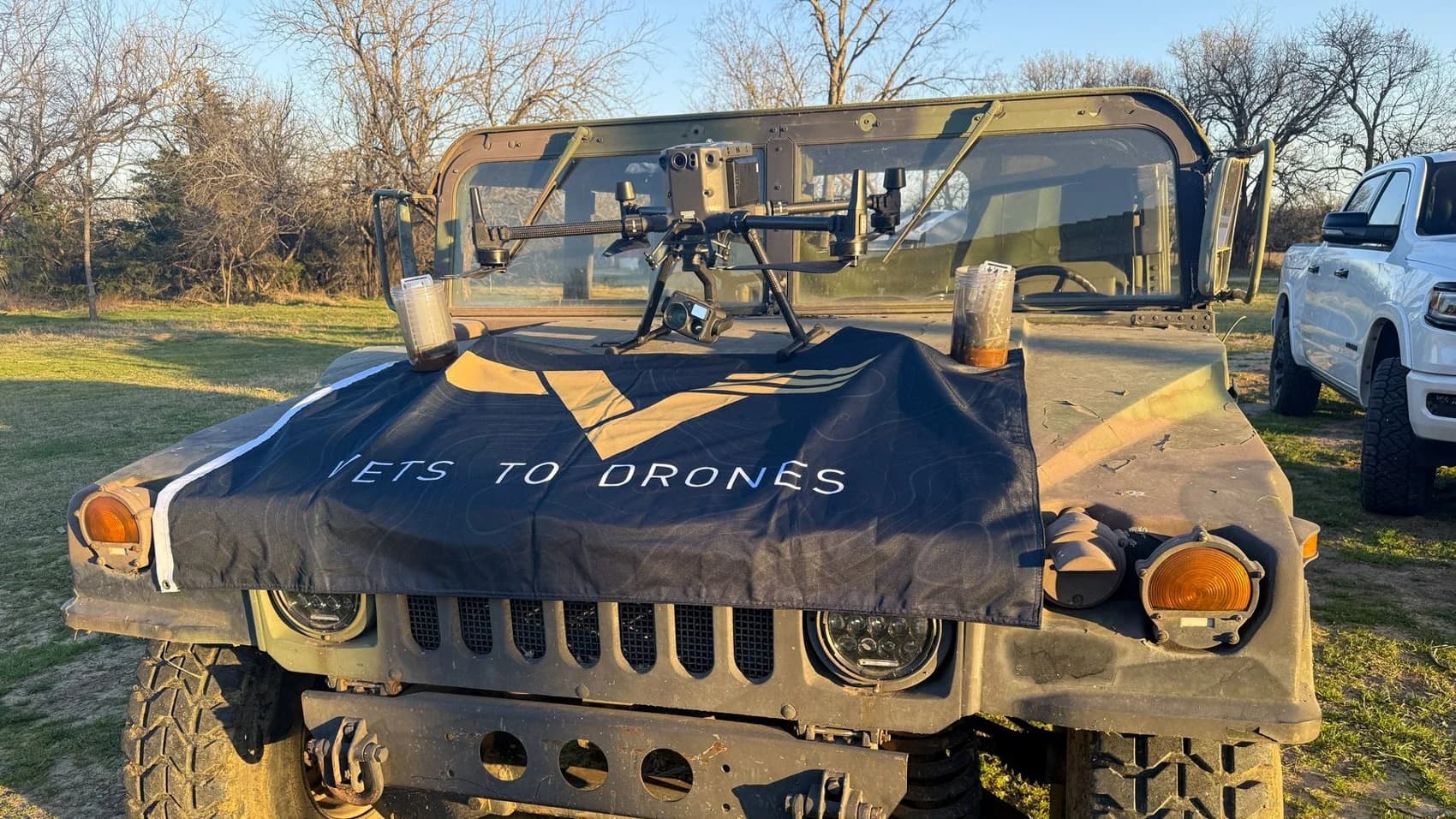
Drone cleaning equipment maker Lucid Bots has announced a sponsorship of Vets to Drones, a nonprofit that provides free FAA Part 107 certification training to military veterans. The partnership centers on Lucid Bots' Sherpa hexacopter cleaning drone — priced at $75,000 or available via a subscription lease starting at $2,500/month — as the foundation for veterans looking to launch small businesses in commercial exterior cleaning.
Highlights
- Lucid Bots announced a sponsorship of veteran nonprofit Vets to Drones on July 7, providing the Sherpa hexacopter as a business platform for transitioning military veterans.
- The Sherpa drone is priced at $75,000 with a subscription lease starting at $2,500/month and qualifies for SBA Veterans Advantage loans and Section 179 tax deductions.
- Vets to Drones has over 15,000 members and has certified 2,500 veterans with FAA Part 107 credentials since January 2025, targeting 50,000 veterans by 2030.
- Lucid Bots has raised approximately $34 million in total funding, including a $20 million Series B in March 2026, with Y Combinator among its investors.
- The Sherpa is U.S.-manufactured and NDAA-compliant, positioning it competitively as DJI faces increasing exclusion from U.S. government and public safety markets.
Drone cleaning equipment manufacturer Lucid Bots wants transitioning military veterans at the controls of its cleaning drones — and it's working toward that goal through a veterans-focused nonprofit. On July 7, the Charlotte, North Carolina-based manufacturer announced an official sponsorship of Vets to Drones, a nonprofit dedicated to helping veterans earn commercial drone certifications.
The program centers on the company's Sherpa drone as the vehicle for veterans to transition from military service into small businesses specializing in building exterior cleaning. Vets to Drones handles free FAA certification training; Lucid Bots supplies the hardware — a U.S.-manufactured machine designed to replace ladders and scaffolding for elevated cleaning work.
Vets to Drones Trains the Pilots; Lucid Bots Provides the Machine
The partnership has a clear division of responsibilities. Vets to Drones, founded in 2023 by Marine Corps veteran Chris Lewis, provides free FAA Part 107 certification and flight training to veterans. Lucid Bots supplies the aircraft, giving newly certified pilots a platform to launch profitable businesses.
Vets to Drones is not a small operation. The nonprofit reports more than 15,000 members and says it has helped 2,500 people earn their Part 107 certification since January 2025, with a goal of training 50,000 veterans by 2030. Lewis, who left the military after a service-related injury, founded the organization after witnessing drone applications in wildfire management and utility infrastructure inspection.
Lucid Bots is one of several companies supporting this talent pipeline. Vets to Drones has also established partnerships with mapping software firm SPH Engineering and community colleges, targeting a genuine market gap: certified U.S. drone pilots are in short supply across the industry.
Sherpa: A $75,000 Hexacopter Built for Building Exteriors
The Sherpa is a six-rotor drone engineered specifically for washing high-rise building facades. It delivers water pressure up to 4,500 PSI and can clean more than 300 square feet per minute. In tethered power mode, it can reach surfaces up to 150 feet above ground — with no personnel required to work at height on ropes.
A single pilot and one ground crew member can operate it, replacing the four-to-six-person teams typically required for traditional scaffolding or aerial work platforms. On battery power, flight time is approximately 19 minutes. The system supports soft-washing for delicate surfaces and high-pressure concrete cleaning, and includes a window-cleaning squeegee attachment.
For veterans weighing startup costs, the key figures are: the complete Sherpa package retails for $75,000, but that is not the only path to acquisition. The drone is manufactured in Charlotte and is available in an NDAA-compliant version.
The Six-Figure Revenue Claim Deserves Scrutiny
As reported via PR Newswire, the most eye-catching figure in the official announcement is the goal of veterans earning $100,000 or more within 120 days of launch. Lucid Bots frames this as a target, not a guarantee, and the company's operator data provides a fuller — and more useful — picture.
According to that data, the average commercial job generates approximately $14,023 in revenue. Operators completing more than 10 jobs per year average around $200,000 in annual revenue, and most recover their equipment costs within six months. One job per month yields roughly $66,000 annually after equipment costs; three jobs per month can reach $258,000.
Those figures originate from Lucid Bots itself and should be read as the company's best-case projections. The real friction point is the cost of acquiring the machine — and recently discharged veterans are among the least likely people to have $75,000 in cash on hand.
Drone work pays well in the U.S. — provided you can generate clients, which represents half the job in itself. Entry cost is the genuine barrier, but it is more flexible in practice than the $75,000 sticker price suggests. Serious entrepreneurs do not typically pay cash for commercial equipment. Veterans simply need to know where to look for financing, and the resources available to them run deeper than this announcement implies.
Funding pathways do exist. Lucid Bots offers installment payments of approximately $3,500 per month, or a Sherpa subscription lease starting at $2,500 per month. The drone also qualifies for Section 179 tax deductions under U.S. tax law.
The Small Business Administration goes further. Its Veterans Advantage program waives upfront guarantee fees on SBA Express loans (up to $500,000) for businesses at least 51% owned by eligible veterans, and reduces fees on larger 7(a) loans. Combined with Lucid Bots' own financing options, the $75,000 barrier starts to look more like a paperwork challenge than an insurmountable wall.
U.S.-Made Hardware at the Right Moment
The timing works in Lucid Bots' favor. The Sherpa is manufactured in the United States and offered in an NDAA-compliant configuration — a competitive advantage that grows more significant every month as DJI finds itself locked out of U.S. government and public safety markets.
A U.S.-made drone flown by American veterans is a compelling narrative heading into 2026, and it rides the same wave lifting Skydio and BRINC in the public safety sector. The domestic drone industry is building its own talent pipeline at precisely the moment that policy doors continue to close on Chinese hardware.
There is real capital behind this bet. Lucid Bots has raised approximately $34 million to date, including a $20 million Series B completed in March 2026, with Y Combinator among its investors. Exterior cleaning is quietly becoming a venture-backed drone vertical — and veterans are now part of its growth story.
DroneXL's Take
Stripped of the press release language, this is a combination of genuine public good and a sales funnel — and both are real. Vets to Drones is a legitimate nonprofit that has put thousands of veterans through free FAA training. Lucid Bots is a real company selling a machine that does real work. Neither of those facts is in dispute.
What the announcement carefully underemphasizes is the cost of the revenue-generating machine itself. The training is free; the Sherpa is not. Even on installment or subscription terms, a $2,500-per-month commitment represents genuine financial pressure for someone walking out of the service with a DD-214 in hand.
The discipline forged in military service is a real competitive advantage in this work and in any other, and every minute of free training is genuinely valuable. But it should be stated plainly: this is also Lucid Bots' business development funnel.
For a veteran energized by this program, the advice would be: don't go it alone. Find two or three fellow veterans, share equipment costs, and exhaust every SBA veteran loan option before committing a single personal dollar.
The number worth watching is not the $100,000 target — it's how many Vets to Drones members actually end up on a Sherpa versus transitioning to a lower-cost drone for surveying or inspection work. The nonprofit aims to train 50,000 veterans by 2030. How many of them can clear the entry cost barrier is the question this partnership raises but has yet to answer.
原文來源: 查看原文
FAQ
Newsletter
Subscribe to our Low-Altitude Industry Newsletter
Daily curated news on low-altitude economy and drone industry, delivered to your inbox.
Reviewed and published by the LAETimes editorial desk ·


