Zipline Drone Delivery Heads to Austin, Marking Its Third Texas Market in Under 12 Months
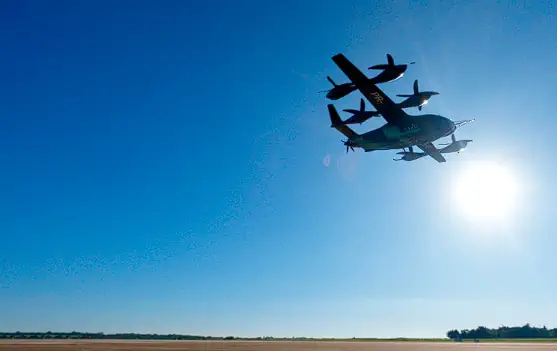
Zipline plans to expand its autonomous drone delivery service to Austin, Texas, later this year — making it the company's third Texas market in under 12 months. Following launches in Dallas-Fort Worth (August 2025) and Houston (April 2026), the expansion is backed by $800 million in new funding, a $7.6 billion valuation, and a track record of more than 135 million autonomous commercial flight miles.
Highlights
- Zipline 計畫於 2026 年稍晚進入奧斯丁,成為該公司在不到 12 個月內進駐的第三個德州市場,前兩站為達拉斯-沃斯堡(2025 年 8 月)與休士頓(2026 年 4 月)。
- Zipline 已累計超過 1.35 億商業自主飛行英里、完成逾 200 萬筆配送,且美國地區週增速連續 7 個月維持約 15%。
- Zipline 於 2026 年完成共 8 億美元融資,估值達 76 億美元,投資方包括 Fidelity、Baillie Gifford 及 Tiger Global。
- Zipline 德州網絡最快配送紀錄為 85 秒,新基地通常在上線兩天內即達到單日 100 筆配送量,遠快於達拉斯初期所需的 10 週。
- Zipline 已持有德州處方藥配送執照,並與 Memorial Hermann 在休士頓簽訂醫療合作協議,奧斯丁預計跟進相同的醫療配送模式。
Zipline plans to expand its autonomous drone delivery service to Austin, Texas, later this year, marking the California-based company's third Texas market entry in under 12 months. Dallas-Fort Worth launched first in August 2025, Houston followed in April 2026, and Austin is next. The pace of this rollout says more about Zipline's operational maturity than any single city announcement could.
Zipline Is Running a Proven Playbook, Not a Pilot Program
Zipline entered the Texas market in August 2025 with a hub in Rowlett — not as a single-neighborhood test. Within less than a year, it had expanded service across more than 20 cities in the greater Dallas metro area, completing hundreds of thousands of autonomous deliveries before its Houston plans were even publicly announced.
Houston service launched on April 29, 2026, in the Cypress suburb. Zipline rolled out a "First Flight" early-access program for the first 5,000 eligible residents, waiving the service fee and offering a $10 credit on each of the first three orders. Nine restaurant and retail partners joined at launch, including Chipotle, Walmart, Crumbl Cookies, Little Caesars, and Popeyes. Members received facility tours and a direct feedback channel to the company. Overall customer satisfaction across Zipline's Texas operations has held at 4.85 out of 5.
Austin will follow the same framework: Zipline identifies suburban markets with sufficient population density to support a charging hub, signs a mixed portfolio of chain and local merchant partners, builds an initial user base through the First Flight program, and then opens to the general public. Specific Austin service neighborhoods and partners have not yet been announced.
A Tether-Drop Delivery Design That Turns Heads
Customers place orders through the Zipline app. The drone picks up from a merchant location, flies to the delivery address, and lowers the package via tether from an altitude of up to 300 feet (91 meters) — without ever landing.
This no-touchdown design compresses the drone's time at each delivery point from minutes to seconds, while eliminating the need to clear a landing zone. Any outdoor space effectively becomes a valid delivery point.
The fastest recorded delivery on Zipline's Texas network to date is 85 seconds — from order confirmation to package on the ground. The median flight time is 3 minutes.
New hubs are now typically hitting 100 deliveries per day within two days of launch, compared to the 10 weeks it took the original Dallas hub to reach the same milestone. Each new city comes online more efficiently because Zipline arrives with a validated operating model rather than untested assumptions.
Zipline also holds a Texas prescription drug delivery license. Memorial Hermann has signed a medical partnership with Zipline in Houston to deliver prescription medications and medical supplies to patients' homes, pending final regulatory approval. Austin is expected to follow the same medical delivery path.
135 Million Flight Miles and $800 Million Back the Austin Expansion
According to Axios, Zipline has now logged more than 135 million commercial autonomous flight miles with no major injury incidents, surpassed 2 million total deliveries, shipped more than 20 million individual items, and sustained approximately 15% week-over-week delivery growth in the United States for seven consecutive months.
Dallas-Fort Worth operations exceeded Q3 daily delivery targets by 30% and hit Q4 targets six weeks ahead of schedule. The capital supporting Austin's expansion is not speculative. Zipline closed a $600 million funding round in January 2026 and added $200 million more in March, bringing the total new raise to $800 million at a valuation of $7.6 billion.
Investors include Fidelity, Baillie Gifford, Valor Equity Partners, and Tiger Global. That institutional investor roster gives Zipline the runway to scale multiple cities simultaneously without waiting for each market to reach breakeven individually.
The company has operated since 2014, initially delivering blood to remote hospitals in Rwanda. Zipline's African medical operations are credited with saving more than 10,000 lives per year by accelerating the delivery of blood, vaccines, and emergency medicines to rural clinics that previously had no access to rapid supply chains. Zipline now operates medical-supply drone delivery services across multiple countries in Africa.
CEO Keller Rinaudo Cliffton described the company's mission to venture media outlet Sourcery this way: "How do we build a part of a science-fiction future that we're proud of and that we want to hand to the next generation?"
DroneXL's Take
Strip away the press-release language, and the real story here is not Austin itself — it is the cadence: three Texas markets in 12 months, each scaling faster than the last. Zipline is converting its Dallas-Fort Worth experience into a repeatable urban expansion template.
Among all drone delivery models currently in operation, Zipline's tether-drop approach is arguably the most defensible from a safety standpoint: the aircraft stays at altitude, and the package descends on a line. Compared with Amazon's MK30, which must descend to a closer proximity to the delivery zone, that is a genuine structural advantage — Zipline keeps the airframe away from people, fundamentally changing the risk profile of the entire operation.
"Later this year" is the only remaining unknown. Zipline has not disclosed specific Austin service neighborhoods or local merchant partners. Based on the Houston launch pattern, expect a suburban hub before any downtown presence. Hub location determines delivery radius, and that decision has not been made public.
The prescription drug delivery thread is worth watching closely. An 85-second burrito delivery is an impressive demo, but getting insulin or blood pressure medication to a patient who cannot drive is the real argument for why drone delivery belongs in American cities. Zipline already holds a Texas license, and Memorial Hermann has signed in Houston. If Austin launches with medical delivery capability from day one, that is the version of this story that truly matters.
原文來源: 查看原文
FAQ
Reviewed and published by the LAETimes editorial desk ·