2026 FIFA World Cup Set to Be the Most High-Tech Sporting Event in History — Key Innovations to Watch
The 2026 FIFA World Cup, co-hosted by the United States, Canada, and Mexico, is expected to be the most technologically advanced football tournament ever held. A Nature report highlights large-scale drone deployments for security and broadcasting, deep integration of AI and computer vision, and cutting-edge stadium infrastructure — signaling a major leap forward for drone and sports-tech industries alike.

Highlights
- Nature published a report on June 11, 2026 (doi:10.1038/d41586-026-01866-1) identifying the 2026 FIFA World Cup as the most technologically advanced football tournament in history.
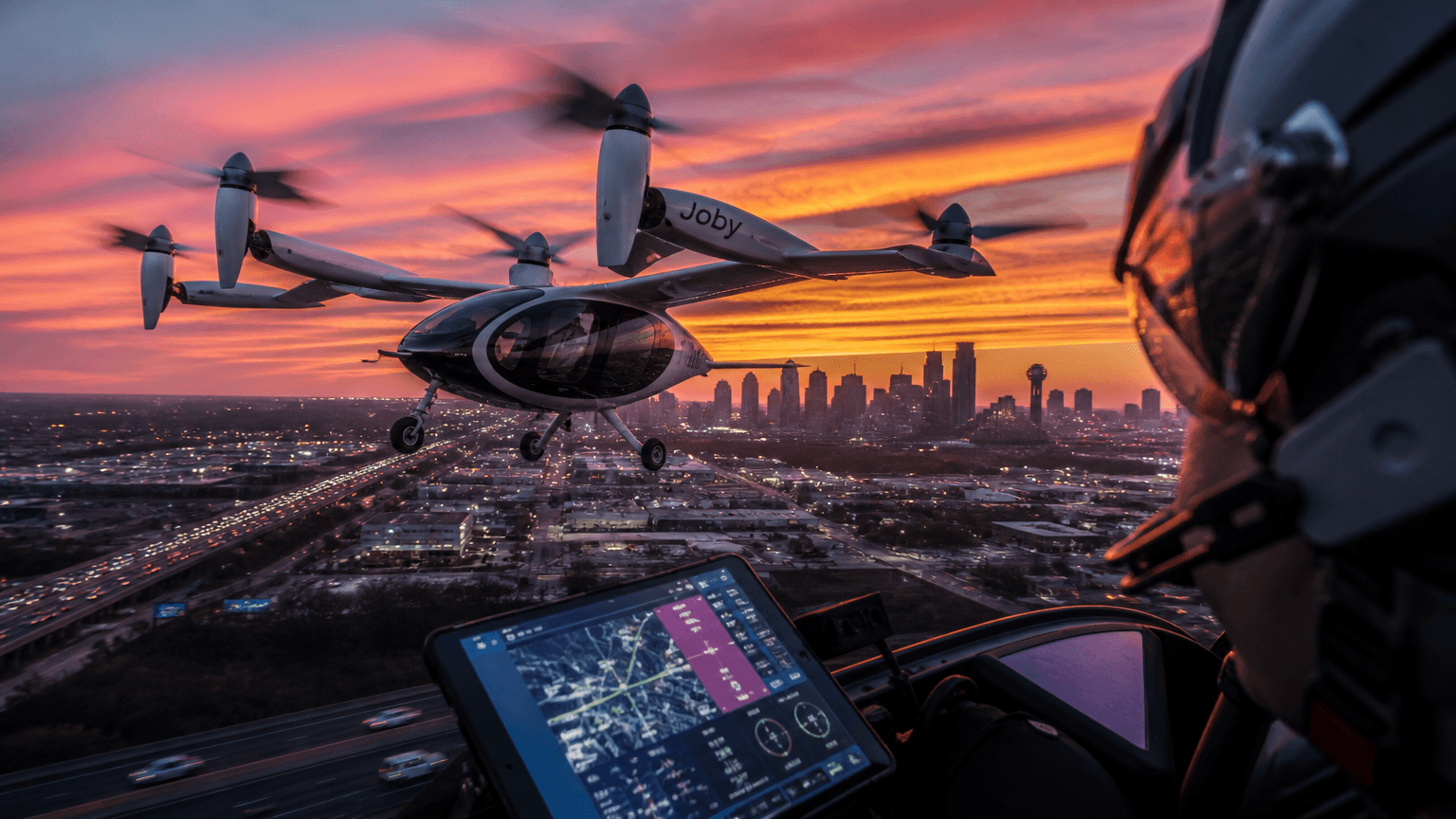
- Large-scale drone systems will be deployed across World Cup venues in the US, Canada, and Mexico for security surveillance, crowd management, and broadcast support.
- AI and computer vision are integrated across real-time match analytics, player performance tracking, and spectator safety management at the 2026 World Cup.
- BVLOS drone technology has matured to the point where drones are now considered core infrastructure — not supplementary tools — at major international sporting events.
- Following the 2024 Paris Olympics, the 2026 World Cup represents a continued expansion of commercial drone applications in sports, creating new monetization opportunities for the industry.
2026 FIFA World Cup Poised to Be the Most High-Tech Tournament Ever
According to a report published by Nature on June 11, 2026 (doi:10.1038/d41586-026-01866-1), the upcoming FIFA World Cup — jointly hosted by the United States, Canada, and Mexico — is on track to become the most technologically sophisticated football tournament in history.
Drones and Aerial Surveillance
This edition of the World Cup is expected to see large-scale drone deployments across competition venues, serving multiple roles including security surveillance, crowd management, and broadcast support. As Beyond Visual Line of Sight (BVLOS) technology matures, drones have evolved from a supplementary tool to an indispensable piece of core infrastructure at major sporting events.
Deep Integration of AI and Computer Vision
Artificial intelligence will be embedded across a broader range of operations than ever before — from real-time match data analytics and player performance tracking to spectator safety management systems. AI and computer vision technologies have been woven into virtually every layer of tournament operations.
Advanced Stadium and Sustainability Technologies
To meet the logistical demands of a three-nation host format, organizers have introduced a suite of innovative venue technologies, including smart energy management systems and advanced communications infrastructure. The goal is to enhance the spectator experience while meeting environmental sustainability targets.
Implications for the Drone Industry
Major international sporting events have increasingly become showcase platforms for drone technology. From the 2024 Paris Olympics to this year's World Cup, drone applications in security, aerial broadcasting, and logistics support continue to expand — creating growing commercialization opportunities for the industry.
This article is compiled and translated from a report published in Nature. Original reference: doi:10.1038/d41586-026-01866-1
原文來源: 查看原文
FAQ
Newsletter
Subscribe to our Low-Altitude Industry Newsletter
Daily curated news on low-altitude economy and drone industry, delivered to your inbox.