U.S. Military's First-Ever Rescue by Unmanned Surface Vessel: Crew Saved Near Strait of Hormuz After AH-64 Apache Crash
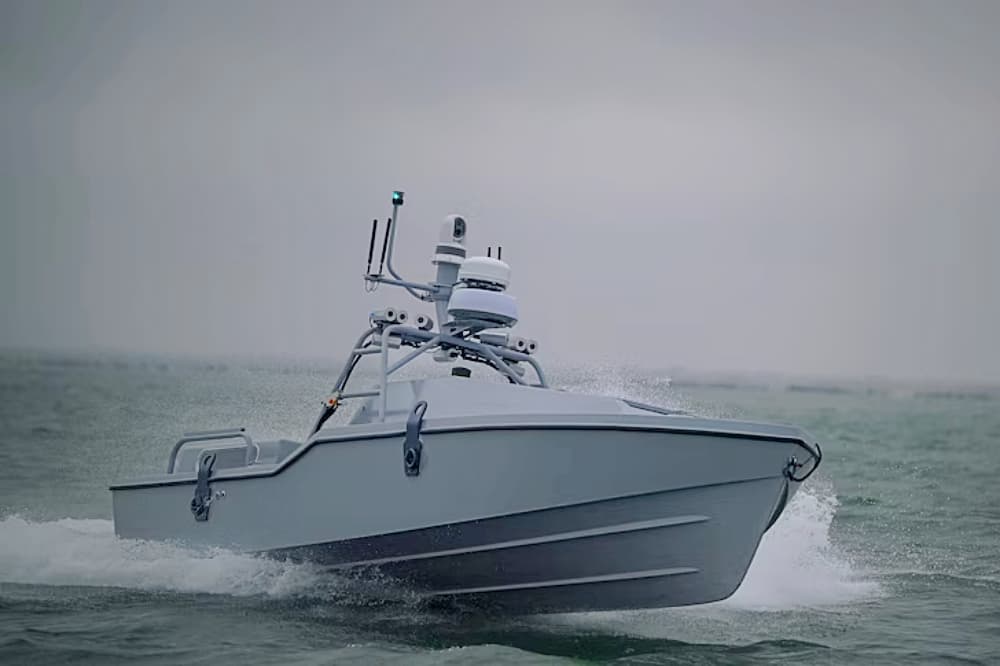
A U.S. Army AH-64 Apache helicopter crashed near the Strait of Hormuz on Monday, and both crew members were successfully rescued by a U.S. military unmanned surface vessel (USV). American officials confirmed to CBS News that this marks the first time the U.S. military has used an unmanned maritime vehicle to conduct a personnel rescue operation — a historic milestone for autonomous systems.

Highlights
- A U.S. Army AH-64 Apache helicopter crashed near the Strait of Hormuz on Monday; both crew members survived.
- A U.S. military unmanned surface vessel (USV) rescued both crew members — the first personnel rescue by a USV in U.S. military history.
- U.S. Central Command (CENTCOM) officially confirmed the rescue operation in a statement released on Tuesday.
- The Strait of Hormuz has seen a significant increase in U.S. unmanned vehicle deployments in recent years to strengthen surveillance and rapid-response capabilities.
- The operation underscores the expanding role of autonomous systems — including maritime drones — in search-and-rescue missions, with implications for the broader unmanned systems industry.
U.S. Military Conducts First-Ever Personnel Rescue Using an Unmanned Surface Vessel
A U.S. Army helicopter crashed near the Strait of Hormuz on Monday, and both crew members on board were successfully rescued by a U.S. military unmanned surface vessel (USV). American officials confirmed the news to CBS News, a media partner of the BBC.
Officials noted that this is the first time the U.S. military has used an unmanned maritime vehicle to conduct a personnel rescue operation, marking a significant milestone in the application of autonomous systems.
U.S. Central Command (CENTCOM) released a statement on Tuesday confirming the details of the incident.
A New Chapter for Unmanned Systems
The rescue operation highlights the expanding role of unmanned vehicles in military applications. Historically, unmanned surface vessels have been deployed primarily for patrol, reconnaissance, and mine-detection missions. This successful personnel rescue demonstrates that USVs are equally capable in emergency search-and-rescue scenarios.
The Strait of Hormuz, one of the world's most critical oil transit chokepoints located at the mouth of the Persian Gulf, has long been a focal area for U.S. military deployment. In recent years, the U.S. military has significantly increased the number of unmanned vehicles operating in the region to enhance surveillance and rapid-response capabilities.
Implications for the Drone and Unmanned Systems Industry
This incident further validates the enormous potential of unmanned systems — whether airborne or maritime — in search-and-rescue missions. As artificial intelligence and autonomous navigation technologies continue to advance, the scope of unmanned vehicles in emergency response scenarios is expected to broaden considerably, opening up new opportunities for the wider industry.
原文來源: 查看原文
FAQ
Newsletter
Subscribe to our Low-Altitude Industry Newsletter
Daily curated news on low-altitude economy and drone industry, delivered to your inbox.