Biomimicry Breakthrough: Future Robots and Drones Could Curl Up Like Armadillos to Survive Collisions
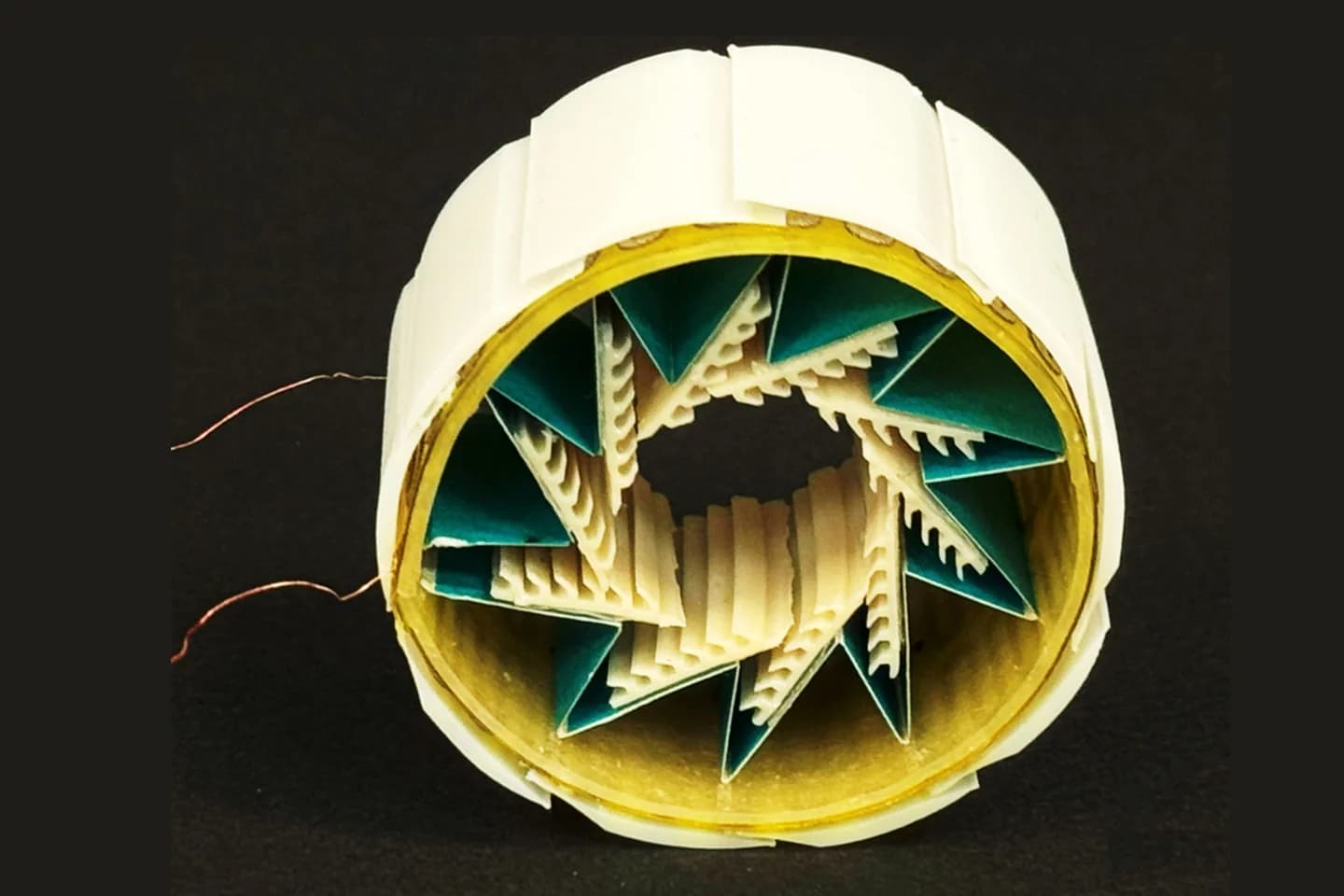
Researchers at North Carolina State University's Department of Mechanical and Aerospace Engineering have drawn inspiration from the armadillo's self-protective curling behavior to develop a biomimetic shielding technology applicable to robots and drones, potentially reducing collision damage significantly.

Highlights
- North Carolina State University researchers developed a biomimetic protective structure inspired by the armadillo's ability to curl into a ball when threatened.
- The technology enables drones and robots to automatically envelop vulnerable components upon detecting an imminent collision, reducing impact damage.
- Targeted application areas include industrial robots, disaster-response drones, and military unmanned vehicles.
- The research represents a new direction in improving the damage resilience and durability of unmanned systems.
- Biomimicry — engineering solutions inspired by natural organisms — continues to be a key innovation driver across the robotics and drone industries.
Nature's Defensive Wisdom: Armadillo-Inspired Protection for Robots and Drones
Nature has long served as one of engineering's most fertile sources of inspiration. Over millions of years of evolution, animals have developed defensive features — skin, shells, scales — to protect themselves from predators. Because protective mechanisms are critical in both biological organisms and engineered systems, these features have already found broad application in modern technology.
Starting With the Armadillo's Survival Instinct
Researchers at North Carolina State University (NCSU)'s Department of Mechanical and Aerospace Engineering have turned their attention to one particularly remarkable animal: the armadillo. Famous for its ability to curl its body into a tight ball when threatened, the armadillo's hard outer shell forms a complete protective layer upon rolling up, effectively absorbing and deflecting external impacts.
Application Potential of Biomimetic Protective Technology
Taking cues from this defensive behavior, the NCSU team is working to develop engineered structures capable of replicating the armadillo's curling mechanism. If successfully implemented, this biomimetic technology could have major implications for robotics, drones, and unmanned systems. For example, a drone that detects an imminent collision could trigger an armadillo-like curling response to envelop its most vulnerable components — motors, sensors, and circuit boards — dramatically reducing impact damage.
The Growing Trend of Bioinspired Design
Biomimicry has long been a central research direction in engineering design. From aircraft modeled on bird flight to drag-reducing materials inspired by shark skin, nature-driven innovation continues to push technology forward. NCSU's latest research further demonstrates the potential of nature's defensive strategies in robotics and unmanned systems, with anticipated applications across industrial robots, disaster-response drones, and military unmanned vehicles.
Beyond improving the damage resilience of robots, this research once again underscores a timeless principle: nature remains the engineer's best teacher.
原文來源: 查看原文