Military History Made: U.S. Forces Use Autonomous Surface Vessel to Rescue Downed Pilots for the First Time
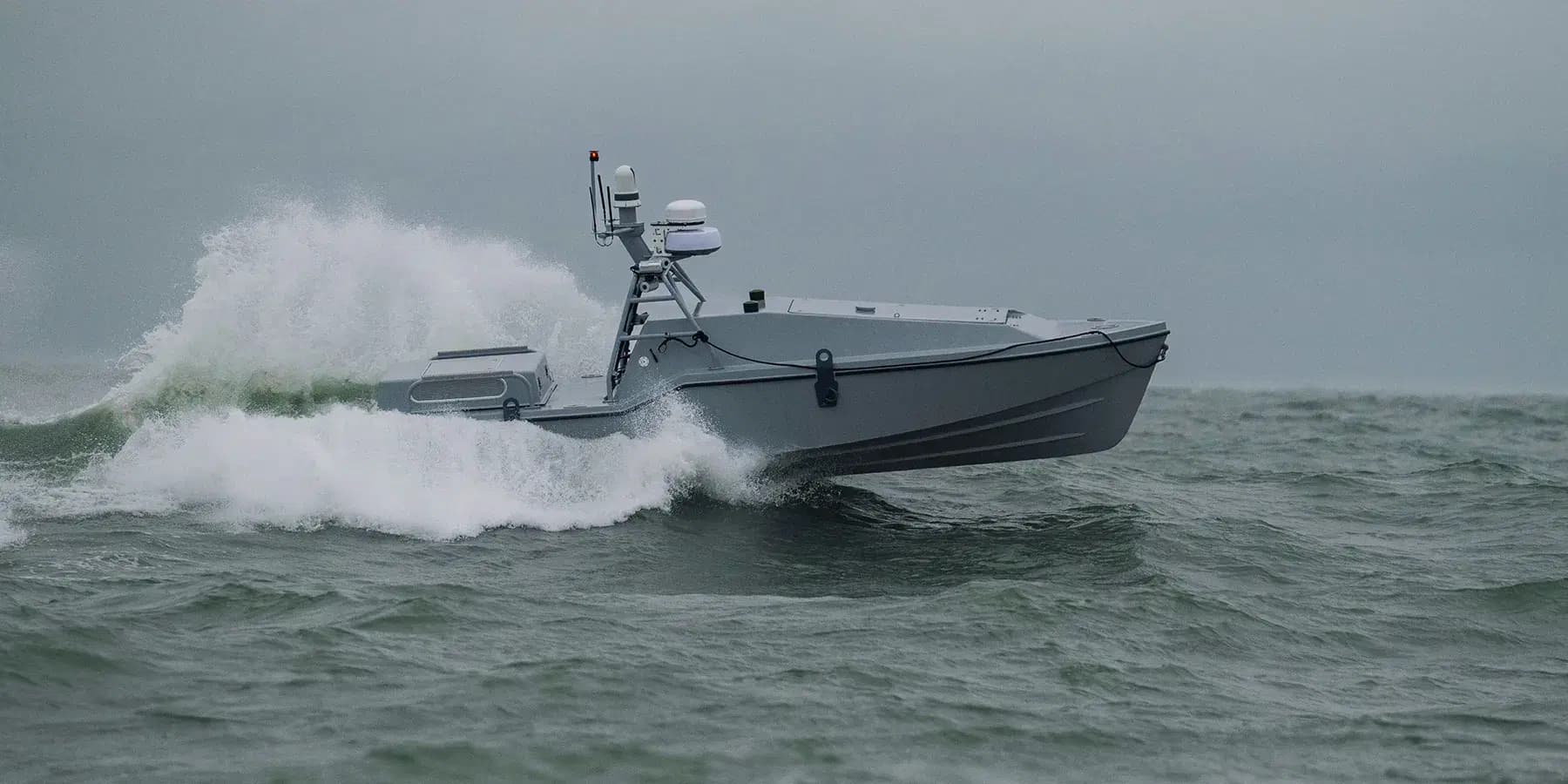
A Saronic Corsair autonomous surface vessel assigned to Task Force 59 successfully located and recovered two pilots after a U.S. Army AH-64 Apache helicopter crashed near the Strait of Hormuz. The operation marks the first publicly confirmed instance of the U.S. military using an unmanned surface vessel to rescue downed aircrew in a real-world combat environment.

Highlights
- A Saronic Corsair ASV assigned to Task Force 59 rescued two U.S. Army pilots after their AH-64 Apache helicopter crashed near the Strait of Hormuz.
- This is the first publicly confirmed instance of the U.S. military using an unmanned surface vessel to recover downed aircrew in a combat environment.
- The 24-foot Corsair is operated by Task Force 59, a Bahrain-based unit integrating AI and unmanned systems into U.S. Fifth Fleet operations.
- President Trump claimed the Apache was shot down by Iran; the official cause remains under investigation as of the time of reporting.
- Since February, U.S. forces have lost at least seven crewed aircraft in the region; a separate Army probe is also examining AH-64E drivetrain faults.
Saronic Corsair Makes History with First Combat Rescue by Autonomous Surface Vessel
On Monday evening, a U.S. Army AH-64 Apache attack helicopter went down in waters off Oman near the Strait of Hormuz. According to Defense One reporter Thomas Novelly, a Saronic Corsair autonomous surface vessel (ASV) successfully located and recovered two downed pilots — marking the first publicly confirmed use of an unmanned surface vessel by U.S. forces to rescue aircrew in a real-world operational environment.
The approximately 24-foot (7.3-meter) Corsair is assigned to Task Force 59, a unit based in Bahrain that is responsible for integrating artificial intelligence and unmanned systems into the operational activities of U.S. Naval Forces Central Command (Fifth Fleet).
Cause of Crash Still Under Investigation
The cause of the Apache's crash remains under investigation. President Donald Trump claimed the aircraft had been shot down by Iran and stated the United States would need to respond, though an official inquiry is ongoing.
Since U.S. military operations against Iran began in February of this year, American forces have lost at least seven crewed aircraft in the region.
The Apache fleet itself is also under separate scrutiny. The U.S. Army is investigating a drivetrain issue on certain AH-64E variants that may cause loss of tail rotor control.
A Critical Milestone for Autonomous Systems
Regardless of the specific cause of the crash, this rescue operation represents a significant proof of concept for autonomous systems development that has been underway in the region for several years. From Task Force 59's sustained deployment across the Middle East to the Corsair's demonstrated combat performance, the mission signals a pivotal shift for unmanned surface vessels — transitioning from experimental platforms to genuine operational assets.
Compiled from reporting by Small Wars Journal (Arizona State University).
原文來源: 查看原文