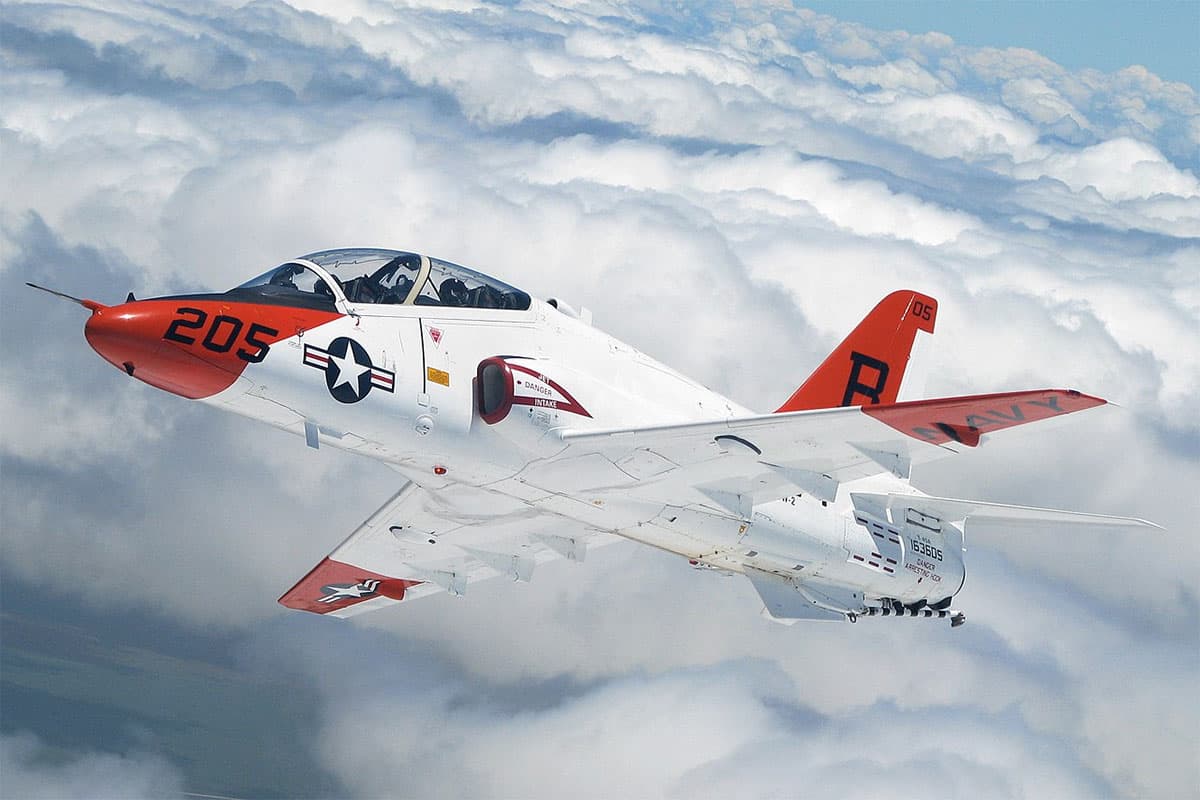
US Navy Jet Trainer Competition Narrows to Two Contenders
The US Navy's Undergraduate Jet Training System (UJTS) procurement competition has narrowed to just two aerospace firms after several high-profile bidders withdrew. The contract will determine the next-generation jet trainer platform used to prepare future Navy and Marine Corps aviators, representing a major long-term defense acquisition with far-reaching implications for US military pilot training.

Highlights
- The US Navy's UJTS (Undergraduate Jet Training System) jet trainer competition has officially narrowed to two remaining aerospace bidders after multiple firms withdrew.
- UJTS will determine the next-generation trainer aircraft used to train US Navy and Marine Corps pilots, replacing the current in-service platform.
- The contract winner will secure a major defense deal and influence the direction of US military pilot training for multiple decades.
- The identities of the two remaining competitors and their specific proposals are still closely watched by industry analysts and aerospace media.
US Navy Jet Trainer Competition Narrows to Two Contenders
According to Aviation Week, the US Navy's Undergraduate Jet Training System (UJTS) procurement competition has officially narrowed to just two aerospace firms after several prominent industry players announced their withdrawal from the bidding process.
A High-Stakes Defense Acquisition
UJTS is a strategically significant US Navy procurement program designed to provide the next generation of Navy and Marine Corps pilots with an advanced jet training platform. The program will ultimately determine the successor to the service's current trainer aircraft, with lasting consequences for the US military's aviation personnel development pipeline.
As multiple once-prominent aerospace competitors have stepped away from the contest, the competitive landscape has shrunk considerably, leaving the remaining two firms to face off in a more intensely contested final round.
Industry Eyes the Outcome
Industry observers note that the eventual contract winner will not only secure a substantial defense contract opportunity, but will also fundamentally shape the direction of US Navy pilot training for decades to come. The identities of the two remaining competitors and the specifics of their respective proposals continue to draw close scrutiny from analysts and industry media alike.
Further developments in the program are expected to be tracked closely by the American Institute of Aeronautics and Astronautics (AIAA) and leading aerospace trade publications.
原文來源: 查看原文
FAQ
Newsletter
Subscribe to our Low-Altitude Industry Newsletter
Daily curated news on low-altitude economy and drone industry, delivered to your inbox.