俄羅斯發表「閃電-13」重載戰術無人機 低成本設計瞄準高耗損戰場需求
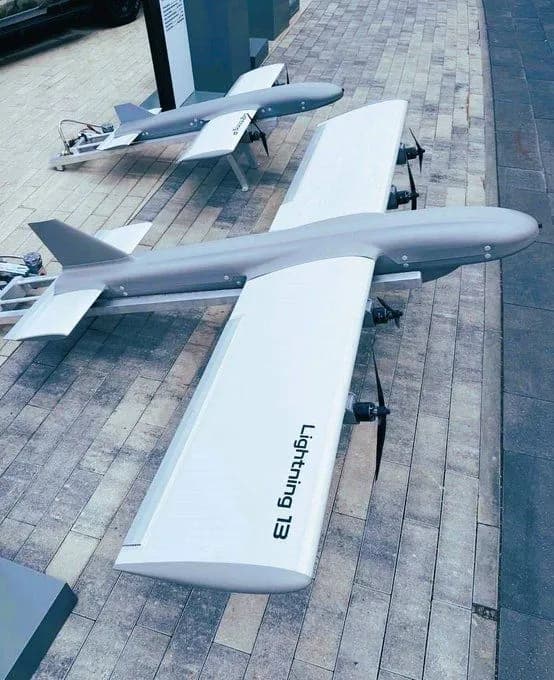
俄羅斯開發商於白俄羅斯首都明斯克公開展示最新戰場無人機「閃電-13」,該機採用泡沫與夾板等低成本材料製造,可攜帶13公斤酬載、航程達50公里。此設計反映俄羅斯在俄烏衝突高消耗戰中,尋求降低單機成本、擴大部署規模的戰術目標。13公斤酬載足以搭載各類彈藥或偵察設備,50公里航程則允許在前線後方安全位置起飛執行任務。雖詳細技術規格與量產時程暫未完全對外公開,此次展示已彰顯俄白兩國在無人機領域的持續合作。
俄羅斯在白俄羅斯明斯克展示新型戰場無人機「閃電-13」,採用泡沫與夾板製造、造價低廉,可攜帶13公斤酬載飛行50公里,反映其在消耗戰中的量產與成本控制策略。
重點速覽
- 閃電-13採泡沫與夾板製造,壓低單機成本,兼具快速量產優勢
- 13公斤酬載能力搭配50公里航程,支援前線後方的偵察與打擊任務
- 設計策略反映俄羅斯在高損耗戰場中尋求擴大無人機部署規模的戰術思維
- 在明斯克展示象徵俄白兩國在無人機技術領域合作深化
- 詳細技術規格與量產時程暫未公開,但預示後續戰場應用潛力
文章重點
- 俄羅斯「閃電-13」(Molniya-13)無人機在白俄羅斯明斯克公開展示,以泡沫與夾板製成,定位為低成本戰場無人機。
- 閃電-13最大酬載能力為13公斤,作戰航程達50公里,具備攜帶彈藥或偵察設備的潛力。
- 低廉的製造材料有助於俄方快速量產,以彌補持續消耗戰中的無人機損耗。
- 此次展示顯示俄白兩國在無人機技術領域持續深化合作,詳細技術規格與量產時程尚未完全公開。
低成本戰術無人機現身明斯克
俄羅斯開發商近日在白俄羅斯首都明斯克公開展示了最新型戰場無人機「閃電-13」(Molniya-13),以其創新的低成本製造方式與實用的酬載性能成為焦點。這款無人機採用泡沫與夾板等廉價材料製成,突破傳統軍用無人機的設計思路,在當前高耗損的戰場環境中展現戰術價值。
平價原物料打造高效能
「閃電-13」的核心競爭力在於其成本與性能的平衡設計。該機型可攜帶多達13公斤的酬載,作戰航程達50公里,這樣的規格在當前俄烏衝突的戰場應用中具有相當實用性。
使用泡沫與夾板等低廉原物料的策略,不僅顯著壓低製造成本,更重要的是能夠實現快速量產。在持續消耗戰環境中,無人機損失率高、補充需求大,低成本設計允許部隊以更高的頻率部署與更換裝備,進而擴大整體無人機部署規模。這反映出俄羅斯在戰場實踐中針對裝備損耗的務實應對策略。
13公斤酬載的戰場意涵
13公斤的酬載能力使「閃電-13」具備多種軍事應用潛力。該機可攜帶各類戰術彈藥、偵察傳感器或干擾設備,從前線後方的安全位置起飛,利用50公里的航程深入目標區域執行打擊或偵察任務,大幅降低操作人員暴露於直接火力危險的風險。
相較於高端無人機系統動輒百萬美元的成本,「閃電-13」的平價設計意味著單機損失造成的經濟負擔較輕,允許部隊採取更積極的戰術運用方式,在消耗戰邏輯下實現「以量制質」的目標。
俄白合作深化的信號
此次在明斯克的公開展示,標誌著俄羅斯與白俄羅斯在無人機技術領域合作的進一步深化。儘管詳細的技術規格與量產時程暫未完全對外公開,但展示活動本身已傳達了明確的訊號——俄白兩國在無人機自主開發與軍事應用方面的戰略合作正在加速推進。
這類低成本戰術無人機的持續發展與部署,將在未來的戰場衝突中扮演日益重要的角色,特別是在資源受限、損耗高企的長期消耗戰中。
對台灣業者的意義
「閃電-13」的泡沫與夾板設計策略對台灣無人機業者具有警示意義。國內廠商多聚焦於高端商業應用(攝影測量、基礎設施巡檢等),但俄羅斯的低成本量產模式反映出『成本優化+快速迭代』的替代路線日趨成熟。台灣業者若欲進軍東南亞或開發中國家市場,應檢視現有產品線中有無『高性價比』的選項;同時,民航局應關注低成本無人機的遠端識別與安全管制標準,預先建立監管框架以應對未來可能的成本競爭態勢。
常見問題
Newsletter
訂閱低空產業電子報
每日精選低空經濟與無人機產業新聞,直送您的信箱。
本文由 LAETimes 編輯部審核發佈 ·