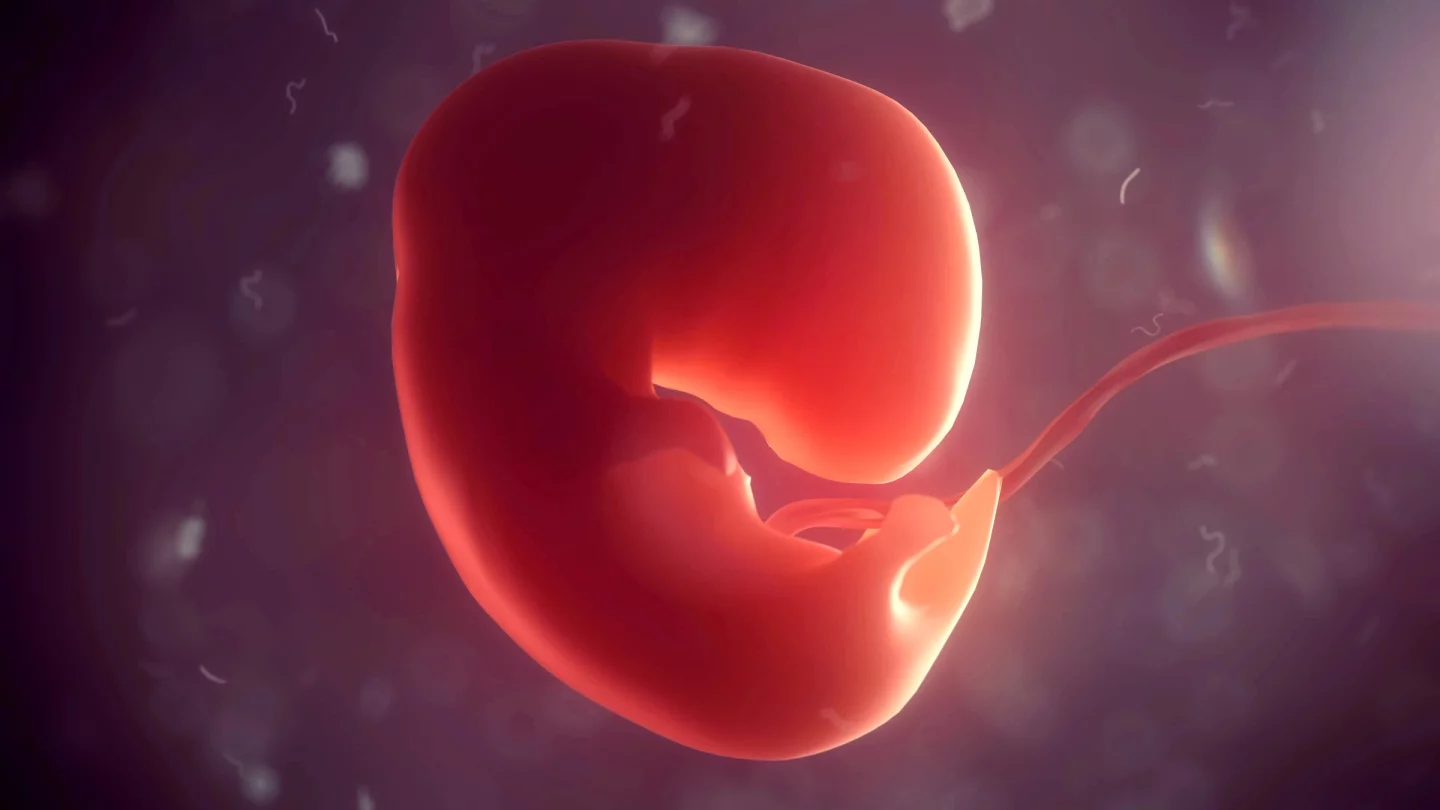
World First: Lab-Grown Human Embryo Disc Model Can Cultivate Organ Seed Cells
Chinese researchers at the Chinese Academy of Sciences have developed the world's first embryo-disc model capable of supporting and cultivating the seed cells needed for in-vitro organ growth. Using induced pluripotent stem cell (iPSC) technology, the breakthrough could pave the way for laboratory-grown transplantable organs and marks a major milestone in regenerative medicine.

Highlights
- The Chinese Academy of Sciences developed the world's first embryo-disc model capable of autonomously cultivating organ seed cells in vitro.
- The model uses induced pluripotent stem cell (iPSC) technology to simulate early human embryo structure outside the body.
- The breakthrough could eventually enable laboratory growth of functional transplantable organs, addressing the global donor organ shortage.
- The research is considered a landmark milestone in regenerative medicine and has attracted widespread international academic attention.
- Findings are expected to have far-reaching implications for artificial organ development and organ donation policy worldwide.
World First: Lab-Grown Human Embryo Disc Model Can Cultivate Organ Seed Cells
Chinese researchers have achieved a significant advance in organ transplantation and regenerative medicine, successfully developing the world's first embryo-disc model capable of supporting and cultivating the seed cells required for in-vitro organ growth — laying a critical foundation for laboratory-grown artificial organs.
Significance of the Breakthrough
Led by the Chinese Academy of Sciences, the research represents a landmark achievement in regenerative medicine. An embryo-disc model is a laboratory construct that simulates the structure of an early human embryo. Using induced pluripotent stem cell (iPSC) technology, the research team successfully prompted the model to autonomously generate the organ seed cells needed for in-vitro cultivation.
Potential Impact on Organ Transplantation
The world currently faces a severe shortage of donor organs, and many patients lose their lives waiting for a suitable match. Should this technology continue to advance and reach clinical application, it could one day make it possible to grow functional, transplantable organs in a laboratory setting — significantly alleviating the global imbalance between organ supply and demand.
A New Milestone in Regenerative Medicine
The research also represents a major leap forward for regenerative medicine, a field focused on repairing or replacing damaged tissues and organs. An embryo-disc model capable of stably cultivating seed cells in a controlled environment will provide scientists with a research platform that more closely mirrors the conditions of the human body, accelerating the development of related therapies.
The findings have already attracted widespread attention from the international academic community. Details encompassing molecular biology mechanisms are expected to have far-reaching implications for global artificial organ development and organ donation policy.
原文來源: 查看原文
FAQ
Newsletter
Subscribe to our Low-Altitude Industry Newsletter
Daily curated news on low-altitude economy and drone industry, delivered to your inbox.