AI in Modern Warfare: Force Multiplier or Existential Threat?
Military organizations worldwide are integrating artificial intelligence into every facet of modern warfare — from precision targeting and high-fidelity training simulations to fully autonomous drone combat systems. While AI delivers significant tactical advantages, it is sparking intense international debate over safety, accountability, and the urgent need for regulatory frameworks governing lethal autonomous weapons systems (LAWS).

Highlights
- Militaries worldwide are deploying AI for targeting, battlefield decision support, and high-fidelity training simulations, significantly accelerating the speed of combat decisions.
- AI-equipped autonomous drones can independently conduct reconnaissance, surveillance, and strike missions without human intervention, fundamentally changing modern battlefield dynamics.
- The UN and multiple international organizations are negotiating a regulatory framework for Lethal Autonomous Weapons Systems (LAWS) to address accountability and safety gaps.
- Key risks of military AI include algorithmic bias, data security vulnerabilities, and susceptibility to adversarial hacking or electronic jamming.
- No global consensus exists yet on whether military AI represents a net tactical benefit or a trigger for a new and destabilizing arms race.
AI in Modern Warfare: Force Multiplier or Existential Threat?
Military organizations around the world are rapidly incorporating artificial intelligence into every dimension of modern warfare — from precision targeting and highly realistic training simulations to fully autonomous drone combat systems — expanding the scope of AI's military applications at an unprecedented pace.
Three Core Military Applications of AI
1. Targeting and Decision Support
The integration of AI has dramatically accelerated military decision-making. Machine learning algorithms can analyze vast volumes of battlefield intelligence within seconds, assisting commanders with target identification and threat assessment while reducing human error and decision lag.
2. Training Simulation Systems
Modern military training now relies heavily on AI-driven simulation environments capable of generating highly realistic battlefield scenarios, allowing personnel to train repeatedly under safe conditions. These systems not only reduce training costs but also adapt difficulty and scenarios in real time based on individual performance, improving overall training effectiveness.
3. Autonomous Drone Combat Systems
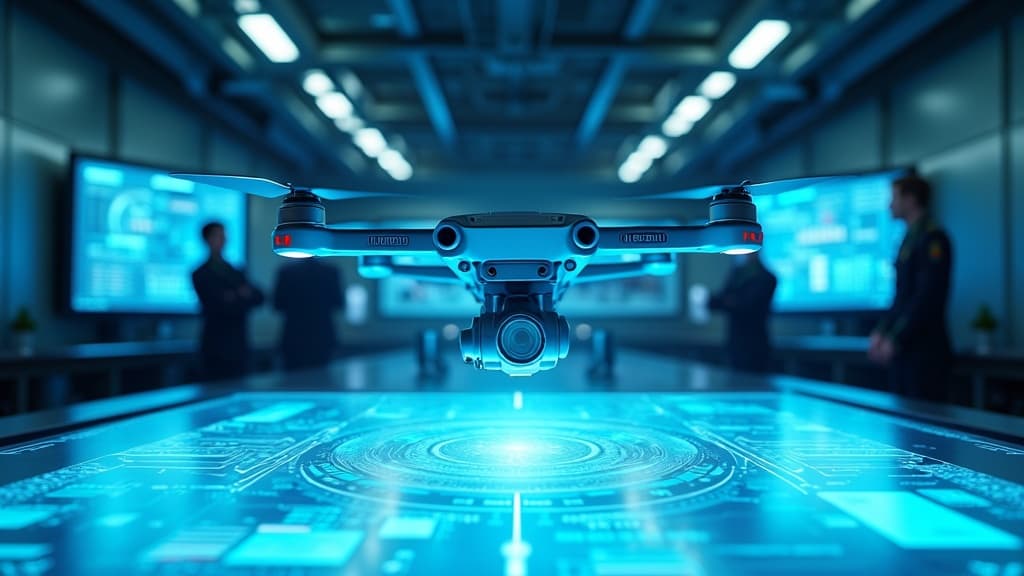
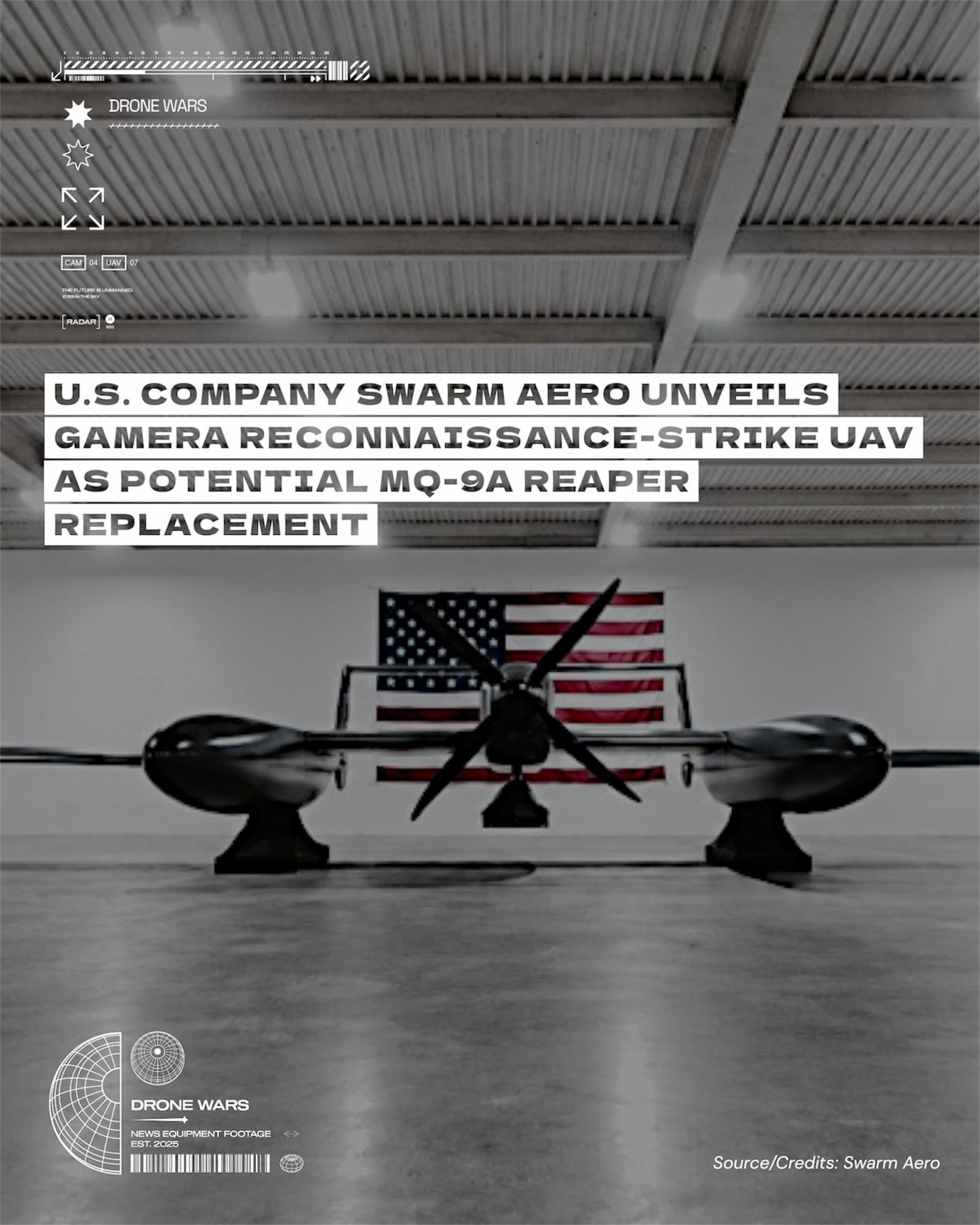
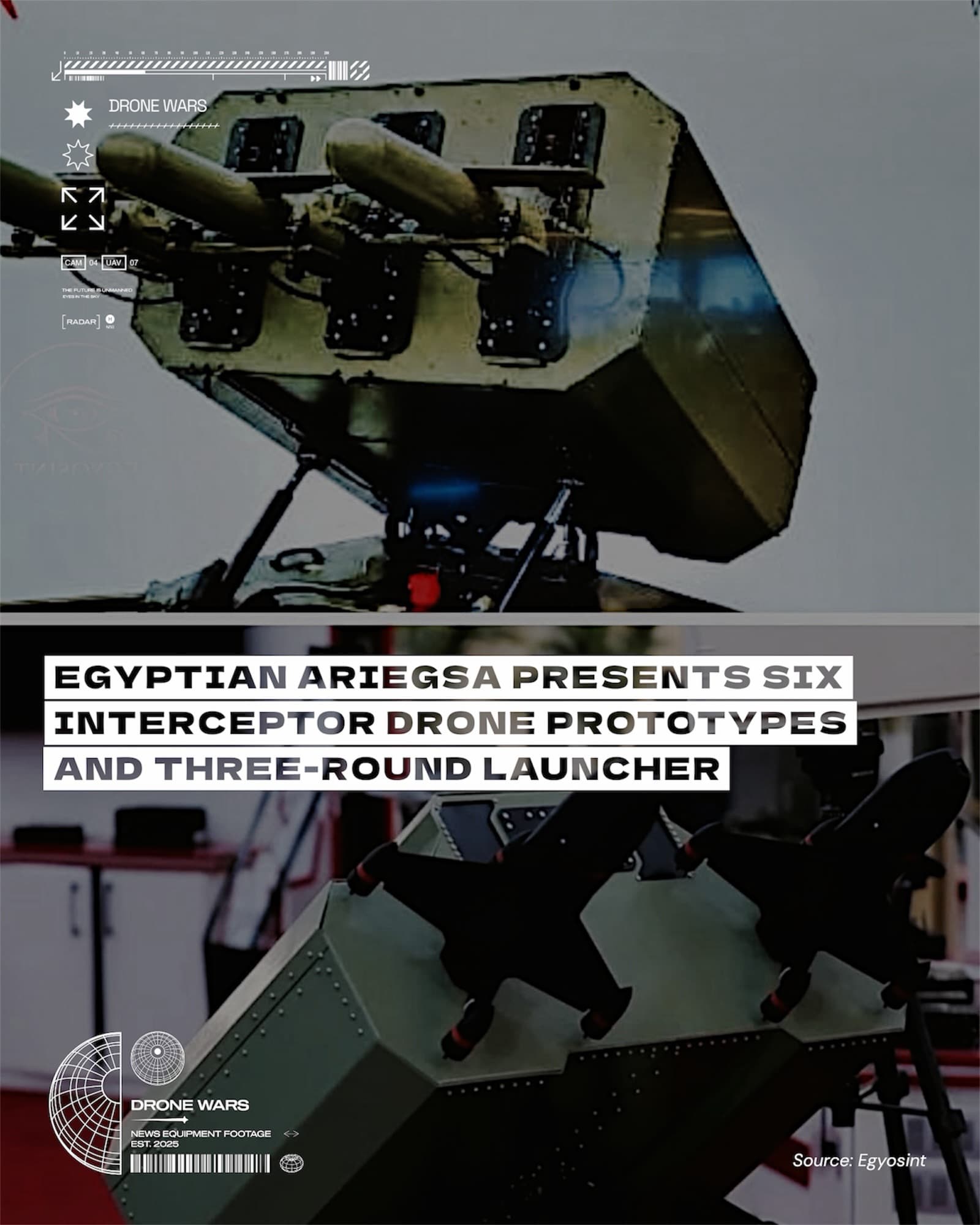
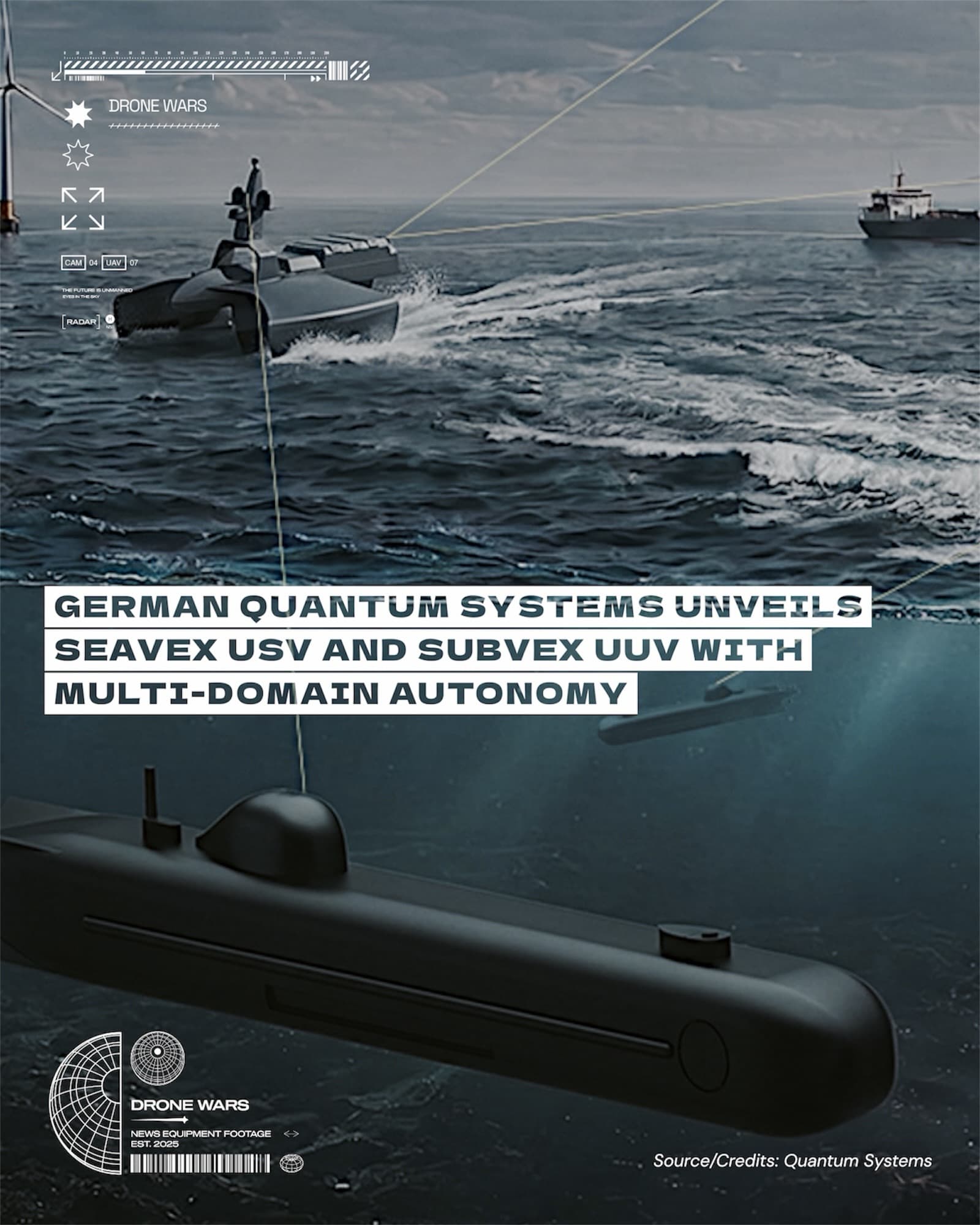
Autonomous drones represent one of the most closely watched areas of AI military application. AI-equipped drones can independently conduct reconnaissance, surveillance, and strike missions without human intervention, fundamentally reshaping the nature of the modern battlefield.
Controversies and Concerns
Despite the clear tactical advantages that military AI offers, the international community remains deeply cautious. Critics warn that fully autonomous weapons systems operating without meaningful human oversight could produce unpredictable casualties and create unresolved questions of legal accountability.
Additional concerns include algorithmic bias within AI systems, data security vulnerabilities, and the risk of adversarial hacking or signal jamming — challenges that militaries worldwide are urgently working to address.
The United Nations and several international organizations are currently engaged in discussions on a regulatory framework for Lethal Autonomous Weapons Systems (LAWS), aiming to establish the ethical and legal guardrails needed to keep pace with the rapid advancement of AI in defense contexts.
Conclusion
Whether AI's role in warfare ultimately proves to be a powerful force multiplier or a catalyst for a dangerous new arms race remains an open question. What is certain is that as the technology continues to evolve, governments, military organizations, and the international community must work together to establish responsible guidelines for the military use of AI — before technological development outpaces humanity's moral and legal frameworks.
原文來源: 查看原文
FAQ
Newsletter
Subscribe to our Low-Altitude Industry Newsletter
Daily curated news on low-altitude economy and drone industry, delivered to your inbox.