英國皇家海軍戰略轉向:放棄傳統驅逐艦,擁抱無人機指揮艦新時代
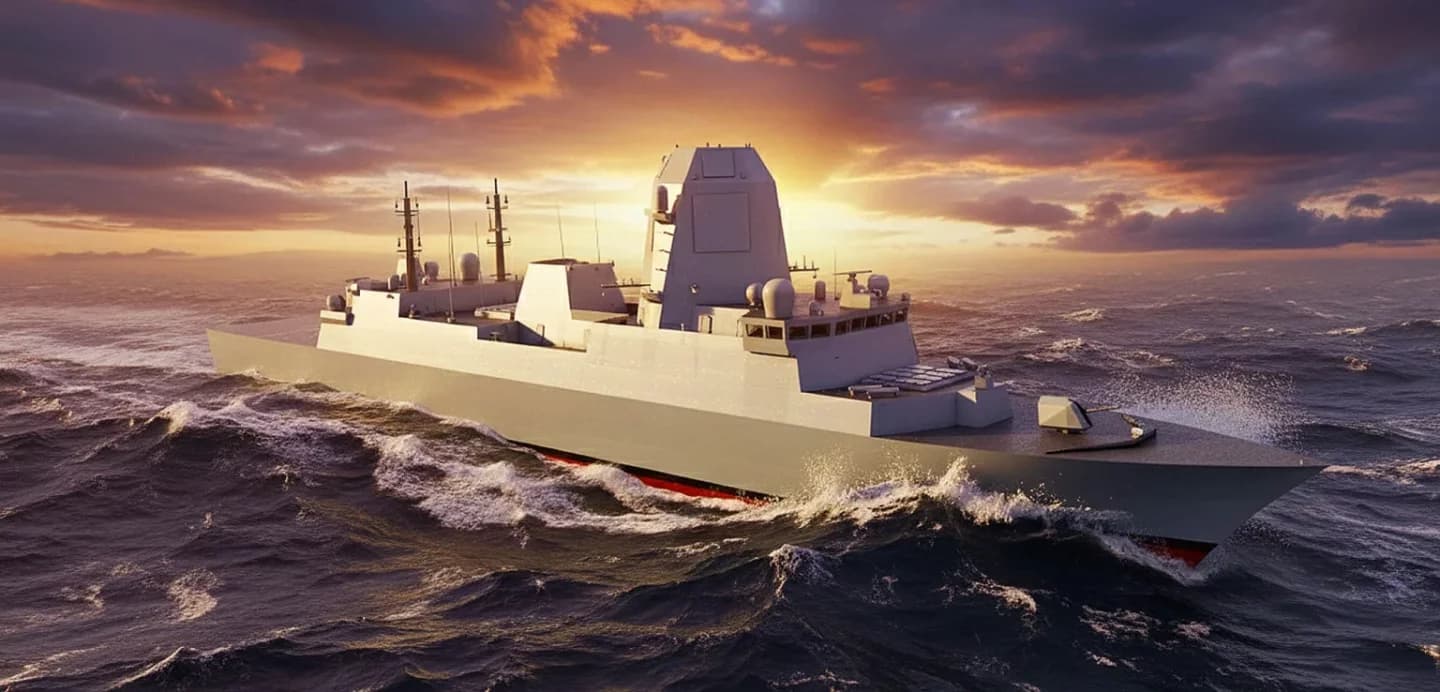
英國國防部近日發佈重要國防政策調整,宣布皇家海軍將不再建造新世代驅逐艦以補充老舊艦隊,改為計畫建造至少六艘「通用作戰艦」(CCV),作為無人機指揮管制的核心平台。此舉反映西方海軍正積極採納有人─無人協同作戰的新典範,將有人艦艇轉變為無人系統的母艦與指揮樞紐。這項決策在國防預算有限的背景下,旨在藉由減少有人艦艇、增加無人系統的方式,達成成本效益與作戰效能的均衡。
英國國防部宣布重大轉變,將停止建造新世代驅逐艦,改建至少六艘「通用作戰艦」作為無人機指揮管制平台,標誌著西方海軍朝向有人─無人協同作戰的重要轉折。
重點速覽
- 英國放棄傳統驅逐艦,改建六艘通用作戰艦(CCV)作無人機母艦
- 新艦艇將統籌無人水面載具(USV)與無人空中載具(UAV)的部署與管制
- 採用有人─無人協同作戰概念,降低人員傷亡風險並延伸作戰範圍
- 體現英國在預算壓力下兼顧成本與戰力的國防現代化策略
- 具體規格與服役時程未定,預期將深刻改變皇家海軍未來樣貌
文章重點
- 英國國防部宣布皇家海軍將以至少六艘通用作戰艦(CCV)取代現有老舊驅逐艦,不再建造傳統新世代驅逐艦。
- 通用作戰艦(CCV)將作為無人機指揮管制(C2)核心平台,統籌協調無人水面及空中載具的作戰行動。
- 此戰略轉型體現「有人─無人協同」作戰概念,預計可在降低人員風險的同時延伸艦隊作戰範圍。
- 此決定反映英國在國防預算壓力下,優先投資無人化作戰體系以取代成本高昂的傳統大型水面作戰艦艇。
英國海軍戰略轉變:從傳統驅逐艦到無人機指揮艦
英國國防部近日宣布一項重大國防轉向決策,皇家海軍將放棄建造新世代驅逐艦以替換現役老舊艦隊,改為計畫建造至少六艘「通用作戰艦」(Common Combat Vessel,CCV),轉而以這批新型艦艇作為無人機指揮與管制的核心平台。此舉標誌著英國海軍作戰思維的根本性改革。
有人─無人協同:現代海戰的新範式
通用作戰艦的核心設計理念,打破了傳統驅逐艦以自身武裝與火力投射為主的作戰邏輯。新型艦艇將轉型為「母艦型指揮平台」,負責統籌協調和管理大規模無人作戰系統的行動。隨著無人系統在現代戰場上扮演愈來愈重要的角色,各國海軍都在重新評估大型水面作戰艦艇的定位,英國此舉正是主動擁抱「有人─無人協同」(Manned-Unmanned Teaming)作戰概念的具體體現。
根據規畫,通用作戰艦一旦服役,將能夠部署、管理並回收各式無人水面載具(USV)與無人空中載具(UAV)。這套整合系統的優勢在於:能夠大幅延伸艦隊的作戰範圍與偵蒐能力、降低人員傷亡風險,並在長時間作戰中保持更高的機動靈活性。
預算壓力下的戰力投資抉擇
英國國防現代化政策的這一轉變,反映出政府在預算受限的現實下,對未來戰力投資方向的戰略重新評估。以較少數量的有人艦艇搭配大量無人系統,被廣泛認為是在成本控制與作戰效能之間取得平衡的可行之道。與其投入龐大資金建造功能單一的傳統驅逐艦,不如建造能夠靈活適應多種任務的指揮平台,配合可根據需求靈活部署的無人系統,形成更具可擴充性與成本效益的艦隊結構。
未來展望與產業影響
英國國防部已確認至少將建造六艘通用作戰艦,但具體的艦艇規格、造艦時程與採購細節仍有待後續公布。外界普遍預期,此項決策將對英國造艦產業產生深遠影響,也將深刻改變皇家海軍的整體戰力結構與海上作戰樣貌。這項轉變也可能激勵其他西方海軍國家,加速推進各自的無人化海上作戰系統發展進程。
對台灣業者的意義
對台灣防務與海事產業的啟示明顯。英國此舉凸顯出西方海軍無人化的加速趨勢,台灣海軍與國防工業應密切關注相關技術發展。國內無人機製造與系統整合商(如軍事級無人機廠商)可參考英國「母艦型指揮平台」的設計思路,評估本土無人系統在海上應用的可行性。此外,台灣造船廠若要爭取軍方現代化艦艇的合約,勢必須納入無人系統整合能力,而非僅止於傳統艦艇建造。同時,遠端識別(Remote ID)與艦隊無人機管制系統的法規合規需求,也應成為業者未來的投資重點。
常見問題
本文由 LAETimes 編輯部審核發佈 ·