Flying on the Fourth: What Pilots and Drone Operators Need to Know About Sharing the Sky with Fireworks
As Independence Day approaches, U.S. pilots and drone operators must navigate Temporary Flight Restrictions (TFRs) while drone light shows increasingly compete with traditional fireworks displays. This article covers airspace safety tips, a 2024 incident in which 55 drones crashed into a Washington State lake due to GPS signal loss, and how the FAA has adjusted NOTAM requirements as drone show numbers surge.

Highlights
- The FAA publishes TFR maps ahead of Independence Day fireworks events; pilots must check restrictions before flying, and a minimum altitude of 2,000 feet AGL is recommended when viewing fireworks from the air.
- On July 4, 2024, 55 out of 200 drones crashed into Angle Lake in SeaTac, Washington after a GPS dropout caused all 55 units to enter failsafe landing mode; no injuries or property damage occurred.
- Great Lakes Drone Company operator Mathew Quinn confirmed that flight logs recorded a sudden drop from 32 satellite signals to zero; the cause remains unidentified and drone firmware has since been upgraded.
- Starting in 2025, the FAA no longer requires NOTAMs for drone shows conducted below 400 feet AGL, citing the overwhelming volume of drone performances nationwide.
- At the 2025 Sun 'n Fun Aerospace Expo, Great Lakes Drone Company's post-flight analysis showed 98% of drones were within 8 millimeters of their target position 99% of the time during a Red Bull wingsuit flythrough at 2,000 feet.
Flying on the Fourth: Sharing the Sky with Fireworks
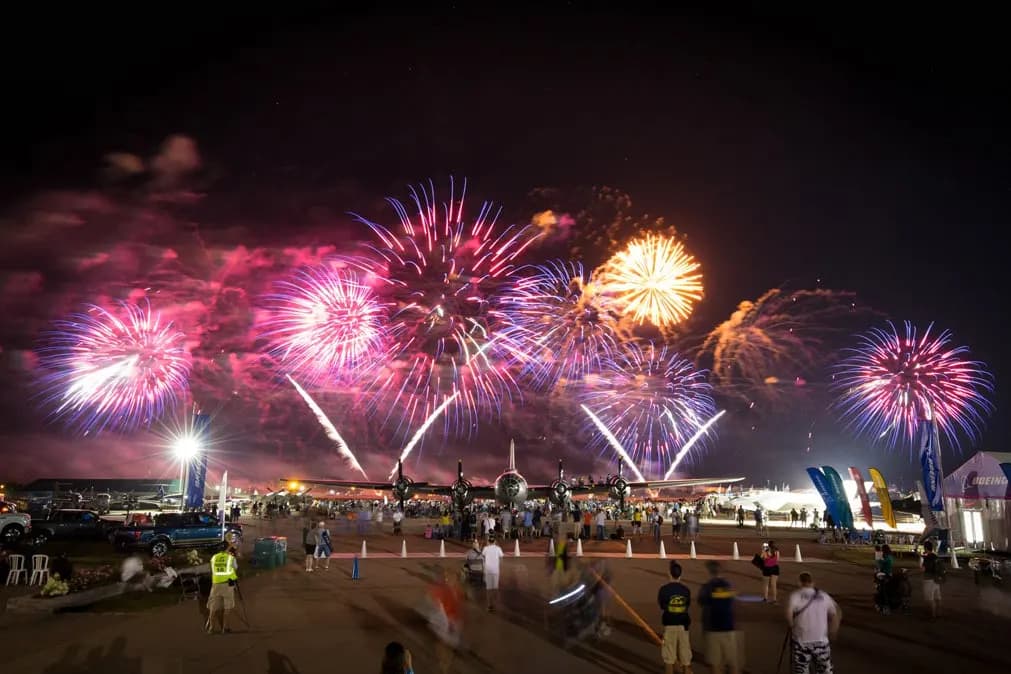
Are you planning to take to the skies this Independence Day? For many pilots, watching the annual fireworks display from above is a bucket-list experience. If that's your plan, check for Temporary Flight Restrictions (TFRs) before you depart. The FAA publishes a TFR map that is updated ahead of fireworks events, detailing the location, timing, and duration of restricted airspace. Keep in mind that other pilots may have the same idea — situational awareness is essential.
Request flight following for the flight to add an extra set of eyes in the cockpit. Altitude is ultimately pilot-in-command discretion, but staying at least 2,000 feet AGL is strongly recommended. While fireworks can appear to climb very high from the ground, professional displays typically reach no more than 1,200 feet AGL, as shells are fired at angles of 75 to 90 degrees.
Special Caution for Non-Towered Airports
If you're departing from a non-towered airport, be alert for individuals who may attempt to set off private fireworks on or near airport property — a practice that is generally prohibited under airport, municipal, and county regulations. Check local rules before proceeding, and if dry grass lines the infield, exercise extra caution. You don't want to be the pilot responsible for an airport grass fire.
If someone is shooting fireworks on the runway, broadcast your landing intentions on the CTAF (hoping they have a radio and are monitoring), make a low pass to clear the runway, and confirm it is safe before landing.
July 5th Morning: Post-Holiday Runway Inspection
The morning after Independence Day, runways and taxiways are often littered with fireworks debris — and sometimes sky lanterns. These small hot-air balloons, made from tissue paper, balsa wood, and wire, are released in large numbers at night and can drift onto airport property in clusters, resembling jellyfish washed ashore. Do not attempt to taxi over them: the wire frames can damage propellers.
Drone Light Shows: The Growing Alternative to Traditional Fireworks
Drone light shows are increasingly replacing traditional fireworks displays, offering a quieter, more environmentally friendly option with no pyrotechnic debris. Like fireworks, however, drone performances are not without risk of unexpected incidents.
2024 Independence Day Incident: 55 Drones Downed in a Lake
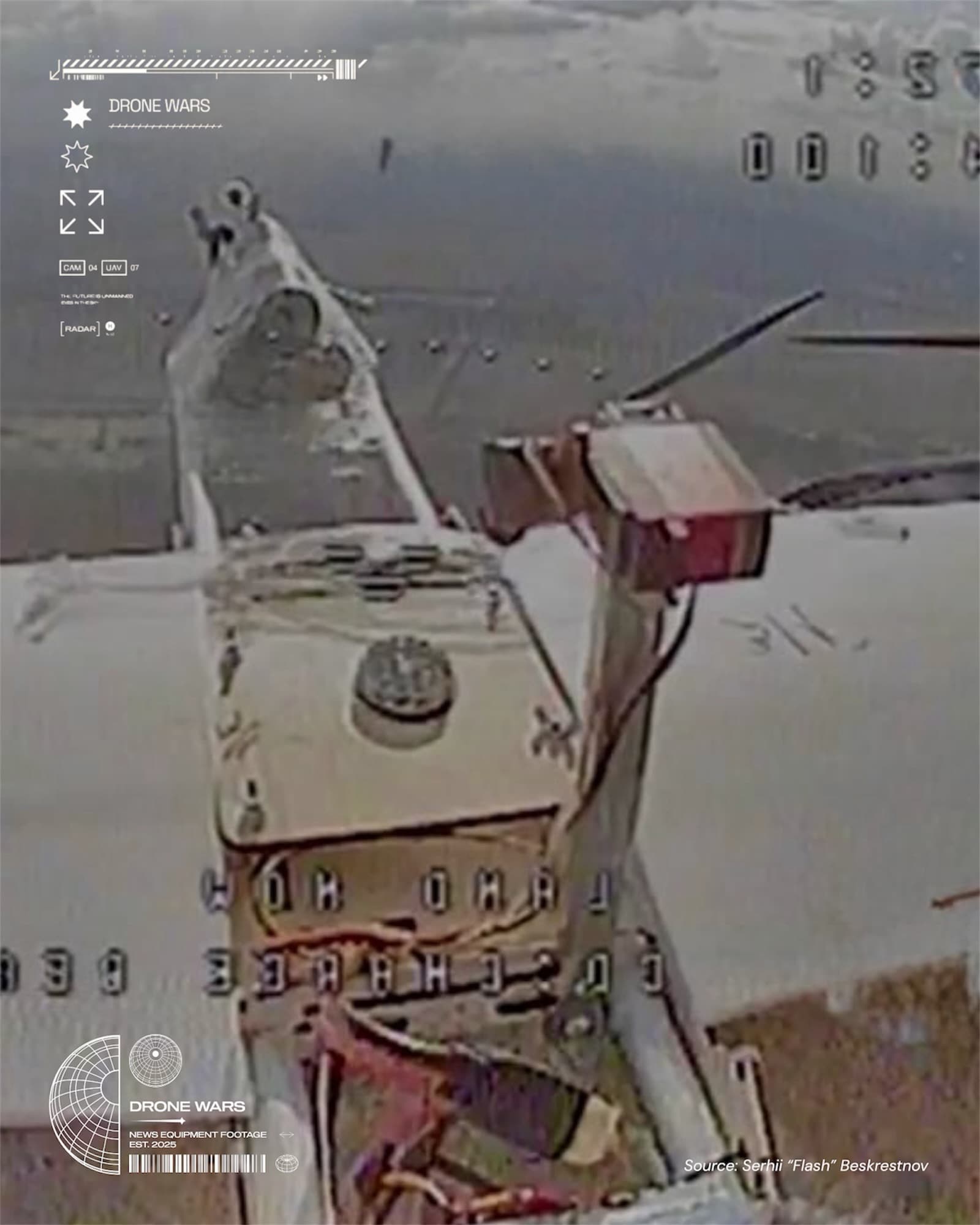
During a drone light show over Angle Lake in SeaTac, Washington on July 4, 2024, 55 out of 200 performance drones malfunctioned and went down. No injuries or property damage were reported, as all 55 drones descended into the lake.
Mathew Quinn, a representative of Great Lakes Drone Company — the operator behind the show — said a GPS signal interruption caused the drones to lose their signal lock and automatically enter failsafe landing mode, operating exactly as programmed. The precise cause of the interference was never definitively identified. A dive team was subsequently hired to recover the drones from the lake.
"Our flight logs showed we were receiving 32 satellite signals, then instantly dropped to zero," Quinn said. He noted that no similar incident has occurred since, and the drones' firmware has since been upgraded.
Surging Drone Show Numbers Prompt FAA to Revise NOTAM Requirements
The popularity of drone shows has grown to the point where the FAA, as of 2025, no longer requires drone show operators to file a Notice to Air Missions (NOTAM) for performances conducted below 400 feet AGL.
"Before 2025, we had to file a NOTAM for every show," Quinn said. "That requirement was dropped last year because there are simply too many drone shows happening across the country — the NOTAM system was becoming overwhelmed. Now, NOTAMs are only required when we exceed 400 feet or operate in Class D, C, or B airspace."
Great Lakes Drone Company has been operating professional drone shows nationwide since 2016. This year, the company will perform at the EAA AirVenture night airshow for the second consecutive year. Quinn noted that airshow performances have become a significant part of the company's business, and their experience and documented safety procedures allow them to gain approvals that other operators may not be able to obtain.
At this year's Sun 'n Fun Aerospace Expo, for example, the company collaborated with Red Bull on a night performance in which three Red Bull wingsuit flyers flew through the drone formation at 2,000 feet. The performance was completed in close coordination with the FAA to confirm safety feasibility. "The FAA asked us to submit a post-flight analysis report," Quinn said. "It showed that 98% of our drones were within 8 millimeters of their intended position 99% of the time."
Some municipalities have opted to replace fireworks entirely with drone shows, while others combine both. "We're one of a handful of companies that can fly drones with fireworks attached," Quinn said. "Ultimately, it comes down to what the client wants."
原文來源: 查看原文
FAQ
Newsletter
Subscribe to our Low-Altitude Industry Newsletter
Daily curated news on low-altitude economy and drone industry, delivered to your inbox.