俄軍部署全自主「閃電」無人機:AI視覺自主識敵、無線電靜默躲避電戰
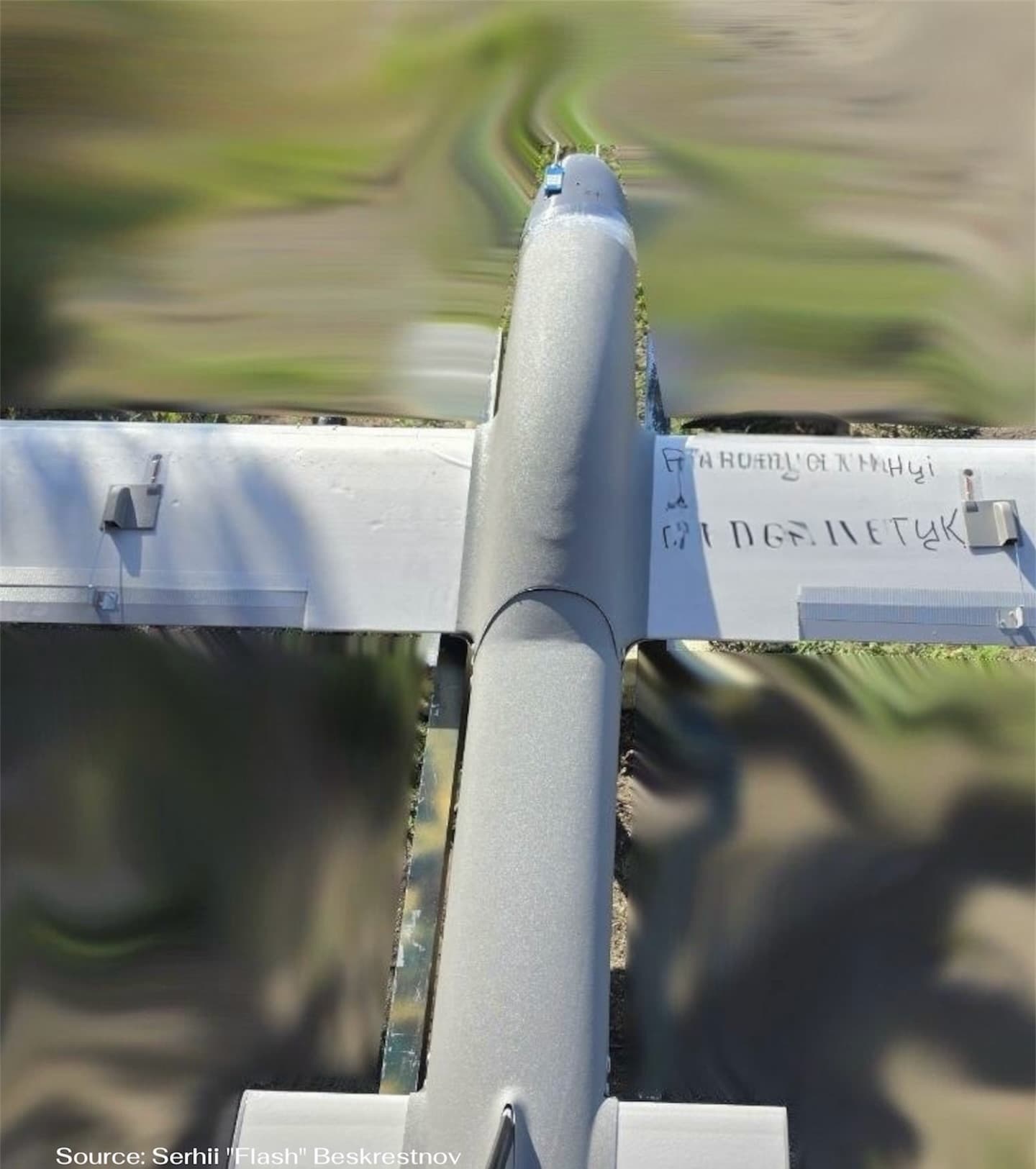
烏克蘭國防部顧問Serhii「Flash」Beskrestnov根據回收的無人機殘骸報告,俄羅斯已在扎波羅熱地區部署全自主版「閃電」攻擊無人機。該機型完全無線電靜默,不搭載任何無線電收發器或影像傳輸設備,僅裝有光學攝影機與FlyCore FC-202飛控板。無人機透過預設航點進行自主導航,機載AI電腦視覺系統負責目標識別與鎖定,全程無需操作員介入。此設計使傳統RF頻譜偵測與電子戰干擾手段難以應對,對烏克蘭防禦體系構成新型威脅。
烏克蘭指俄羅斯在扎波羅熱地區部署全自主攻擊無人機「閃電」,搭載FlyCore FC-202飛控板與機載AI,完全無需無線電控制,對電子戰防禦構成新威脅。
重點速覽
- 俄軍「閃電」無人機採全自主設計,無任何無線電通訊設備,傳統電子戰干擾難以奏效
- 機載電腦視覺系統可自動識別目標、預設航點導航,全程無需操作員遠端控制
- 搭載FlyCore FC-202飛控板與光學攝影機,依靠預程式化指令與AI決策發動攻擊
- 無線電靜默特性使敵方RF頻譜偵測系統失效,提升飛行隱匿性與戰場生存力
- 烏克蘭國防顧問Serhii Beskrestnov根據回收殘骸確認,實際部署規模與作戰效能仍待證實
文章重點
- 俄羅斯疑已部署全自主版「閃電(Molniya)」攻擊無人機,機體完全不含無線電控制或視訊傳輸設備。
- 回收殘骸中僅發現光學攝影機模組與FlyCore FC-202 AI飛控板,無任何控制天線或無線電通訊元件。
- 該無人機透過預設航點自主導航,並利用機載電腦視覺系統在無需操作員介入的情況下識別與打擊目標。
- 無射頻訊號的設計使傳統RF無人機偵測系統與電子戰干擾手段均難以有效應對此威脅。
- 烏克蘭國防部顧問Serhii「Flash」Beskrestnov指出,該機型已在扎波羅熱地區被使用,但部署規模仍未確認。
全自主「閃電」無人機現蹤扎波羅熱
烏克蘭國防部軍事顧問Serhii「Flash」Beskrestnov於社群媒體揭露,俄羅斯已在扎波羅熱地區部署升級版「閃電(Molniya)」攻擊無人機,採用全自主作戰模式,無需任何無線電控制指令即可獨立完成偵測、導航與目標打擊。
無線電靜默設計顛覆傳統防禦思維
根據烏克蘭軍方回收的殘骸分析,這款無人機完全不搭載控制天線、影像發射器或其他無線電通訊模組。機體內僅配備一套光學攝影機與一塊名為FlyCore FC-202的機載AI飛控電腦。這意味著俄軍已突破傳統「有線/無線控制」的無人機架構,轉向完全自主決策型系統。
AI視覺系統實現自主目標鎖定
「閃電」的作戰流程為:操作員預先輸入飛行航點與任務參數,無人機自主起飛後按預設路線導航至目標區域,機載電腦視覺系統隨後自動掃描環境、識別敵方目標特徵,一旦目標鎖定即自主發動攻擊。整個過程無需遠端信號干預,杜絕了射頻洩露暴露的風險。
對烏克蘭防禦體系的戰術威脅
若該報告屬實,此一技術突破將對烏克蘭現有防禦體系造成三大挑戰:
一、RF頻譜偵測失效——傳統無人機偵測雷達與監聽系統依賴捕捉無線電訊號,無線電靜默設計使這類系統完全無用武之地。
二、電子戰干擾無效——烏克蘭目前廣泛部署的訊號壓制與信號干擾設備(如Muv-Electronic等),針對遠端控制無人機開發,對全自主系統無法奏效。
三、隱匿性大幅提升——無線電訊號是敵方提前發現、追蹤無人機的關鍵指標,無線電靜默讓俄軍無人機能在接近防區時仍保持隱形狀態。
部署規模與實戰表現仍需確認
Beskrestnov表示,雖然已確認「閃電」全自主版本在扎波羅熱地區投入實戰,但其實際作戰效能、部署數量與命中率等關鍵指標仍未獲烏克蘭官方確認。軍事分析人士指出,全自主AI目標識別系統在複雜戰場環境(如城市、複雜地形、多目標區域)的識別精度與誤擊風險仍需實戰檢驗。
產業觀察:AI自主決策的軍事應用時代已臨
此案例反映無人機技術發展的新方向——從「人-機」遠端操控模式轉向「機-機」自主協作系統。俄羅斯採用FlyCore FC-202等商用飛控板,表明軍用無人機已可整合民用級AI晶片與電腦視覺模組實現戰術自主性。這對全球無人機防禦與規管政策都提出新課題。
對台灣業者的意義
對台灣無人機產業與防禦體系而言,此案例具有三層實務啟示:其一,台灣無人機服務業者(如基礎設施巡檢、農業植保廠商)需關注政府新增的飛行管制政策,無線電靜默無人機可能觸發台灣民航局對「不可追蹤設備」的禁飛規範;其二,台灣無人機硬體廠商應評估FlyCore等飛控板供應鏈風險與出口管制政策變化;其三,台灣國防部與民航局應啟動新型「AI自主無人機偵測對抗」的技術研發與防禦制度設計,傳統電子戰干擾已不足以應對這類威脅。
常見問題
Newsletter
訂閱低空產業電子報
每日精選低空經濟與無人機產業新聞,直送您的信箱。
本文由 LAETimes 編輯部審核發佈 ·