DARPA X-65 CRANE 無人機機翼交付 首飛在即進入最後組裝階段
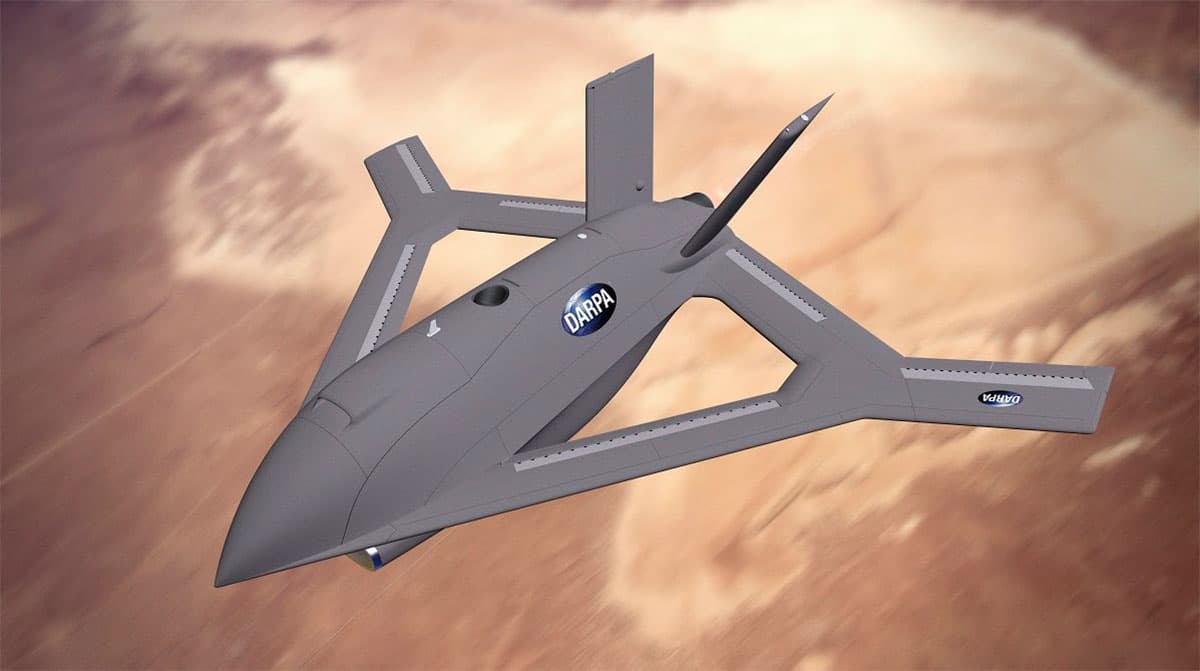
DARPA 的 X-65 CRANE 實驗機項目取得重大進展。合作廠商 Aurora Flight Sciences 於 6 月 23 日接收首套機翼,目前正進行整機組裝整合工作。X-65 的核心任務是驗證主動氣流控制技術能否取代傳統機械式飛行控制面。若成功,將可大幅簡化飛機結構設計、降低雷達截面積,並提升飛行效能。目前尚未公布具體首飛日期,但已進入飛行測試準備的最後階段。
美國國防高等研究計劃署(DARPA)與合作廠商 Aurora Flight Sciences 推進 X-65 CRANE 實驗機研發,機翼已於 6 月 23 日交付,整機組裝工作全面展開,標誌著首飛測試進入關鍵倒數階段。
重點速覽
- DARPA X-65 CRANE 無人機首套機翼已製造完成並交付Aurora Flight Sciences
- X-65 驗證主動氣流控制技術以取代傳統飛行控制面的可行性
- 成功驗證將可簡化飛機結構、降低雷達截面積並提升飛行效能
- 目前進入最終組裝階段,首飛測試時程尚未公開但已進入最後衝刺
- 該計畫對未來軍用航空器設計與發展具有深遠戰略意義
文章重點
- DARPA 實驗性無人機 X-65 的第一套機翼已完成製造,並於 2025 年 6 月 23 日交付給合作夥伴 Aurora Flight Sciences。
- Aurora Flight Sciences 已啟動 X-65 機翼與機身的整合作業,正式進入飛行測試前的最終組裝階段。
- X-65 屬於 DARPA CRANE 計畫,主要驗證以主動氣流控制技術取代傳統機械式飛行控制面的可行性。
- CRANE 技術若驗證成功,可望大幅簡化軍用飛機結構設計並降低雷達截面積,對未來航空器研發具重大意義。
DARPA 先進實驗機計畫邁向關鍵里程碑
美國國防高等研究計劃署(DARPA)所開發的 X-65 CRANE 實驗機再度取得重大進展。根據航空業界媒體報導,DARPA 的合作廠商 Aurora Flight Sciences 於 6 月 23 日正式接收首套機翼組件,隨後立即開始展開整機整合作業,標誌著這架實驗機距離首次飛行測試又近了一步。
主動氣流控制技術驗證的里程碑
X-65 是 DARPA「控制面革命性作動新概念」(CRANE,Control of Revolutionary Aircraft with Novel Effectors)計畫的核心測試平台。不同於傳統航空器依賴副翼、方向舵等機械式飛行控制面進行操控,X-65 的設計目標是完全採用主動氣流控制技術(Active Flow Control)來實現飛行控制。
這項技術創新的意義重大:若驗證成功,將可徹底改變飛機結構設計理念。主要優勢包括:
- 結構簡化:消除傳統可動控制面,減少機械零組件,降低維護複雜度
- 隱形性提升:去除傳統活動控制面的設計突起,大幅降低雷達截面積(RCS)
- 性能提升:氣流控制提供更精細的操控能力,可優化整體飛行效能
- 戰術靈活性:簡化的結構設計為未來無人機與有人戰鬥機的創新應用開闢新道路
組裝進度與後續展望
X-65 目前已進入最終組裝階段。機翼與機身的整合作業是重要的里程碑,驗證了整機設計的製造可行性,也為隨後的系統集成、電氣連接與綜合測試奠定基礎。
DARPA 與 Aurora Flight Sciences 尚未對外公布具體的首飛時程表。然而,業界人士普遍認為,機翼交付與組裝啟動意味著計畫已進入飛行測試準備的最後衝刺階段。後續還需完成地面測試、系統驗證、飛行軟體驗證等多個環節,預期首飛時程應在 2026 年下半年或 2027 年初。
軍事航空領域的戰略意義
X-65 CRANE 計畫代表美國軍方在無人機與先進航空器設計上的前瞻性投資。成功驗證主動氣流控制技術將為第六代戰鬥機、新一代隱形無人機以及其他先進航空平台的設計開啟新的可能性。這也反映出 DARPA 在保持美國軍事技術優勢上的持續承諾。
對台灣業者的意義
對台灣無人機與航空產業而言,X-65 CRANE 計畫的進展具有兩層啟示:其一,主動氣流控制技術的成熟將為台灣商業無人機廠商(如無人機製造商與系統整合商)帶來新的技術參考標準;其二,美軍先進無人機的發展方向可能影響台灣民航局對商用無人機飛行控制系統的認證標準。台灣業者應密切追蹤此技術演進,評估是否納入未來產品開發路線圖。同時,若該技術最終民用化,台灣供應鏈廠商在先進控制系統、航空電子模組等領域可能面臨新的採購機會。
常見問題
本文由 LAETimes 編輯部審核發佈 ·