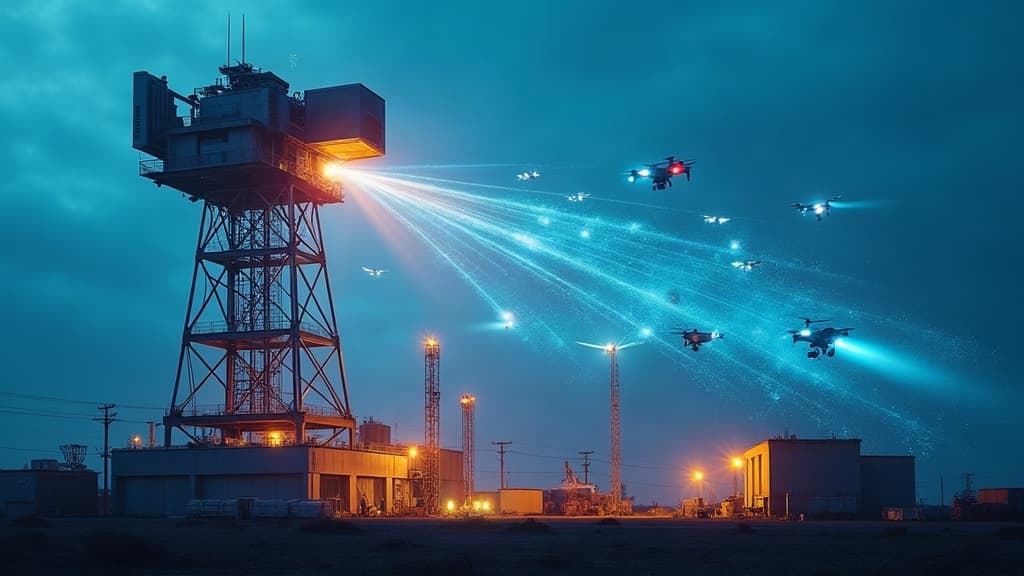
美軍設立無人機總監職位 強化戰略統籌;英日義GCAP次世代戰機計畫加速推進
美國防部本週設立無人機總監職位,旨在統籌各軍種無人機戰略,加速艦隊現代化並強化對潛在對手威脅的防禦。同時,英國、義大利與日本推動的「全球空戰計畫」(GCAP)也取得進展,三國合作研發第六代戰鬥機,預計2035年前服役。兩項動態均反映全球軍事強國正積極調整航空戰略,以因應現代戰場快速變化,透過組織重組與多邊合作等方式強化戰備。
美國五角大廈本週宣布新設無人機總監一職,整合各軍種無人機戰略;同時英國、義大利、日本的GCAP次世代戰鬥機計畫也傳出新進展,展現大國軍事航空競爭升溫。
重點速覽
- 五角大廈新設無人機總監職位,統一指揮各軍種無人機研發、採購與作戰運用
- 美軍欲透過組織調整加速無人機艦隊現代化,強化對抗新型無人機威脅能力
- GCAP計畫目標2035年前推出第六代戰鬥機,結合英日義三國航太技術優勢
- GCAP重點突破領域包括AI整合、匿蹤技術與高超音速能力等先進技術
- 美軍與多邊戰機合作均反映全球大國調整防衛航空戰略因應現代戰場變化
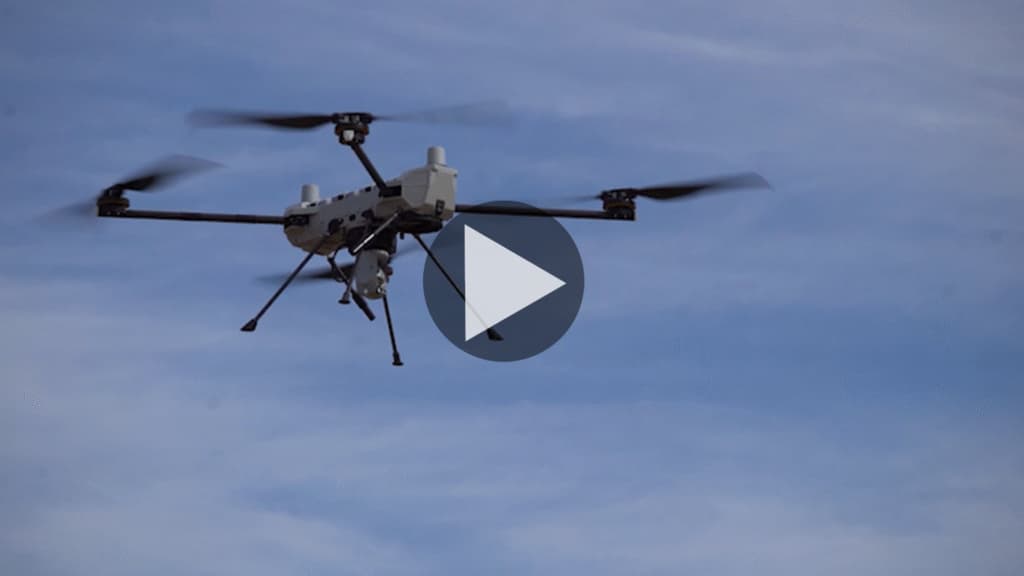
文章重點
- 美國軍方新設無人機總監(Drone Chief)職位,旨在統合各軍種無人機研發、採購與作戰策略。
- 英國、義大利、日本三國合作的GCAP全球空戰計畫持續推進,目標2035年前交付第六代戰鬥機。
- 五角大廈設立無人機總監反映無人機在現代戰場地位提升,並強化對抗中俄無人機威脅的能力。
- GCAP計畫將整合三國航太技術,聚焦人工智慧整合、匿蹤技術與高超音速能力等關鍵領域。
五角大廈設立無人機總監,強化全軍協同戰略
美國防部本週正式宣布設立無人機總監(Chief of Drones)職位,此舉反映五角大廈對無人機系統在當代戰爭中地位的高度認可。隨著全球衝突中無人機角色日益吃重——從烏克蘭戰場的低成本巡飛彈到中東的戰術支援無人機——美軍決定透過建立統一的指揮協調機制,整合陸海空三軍的無人機研發、採購與作戰運用策略。
此一組織創新的核心目標,是消除各軍種間的資源重疊與政策分歧。過去美軍陸軍、海軍與空軍各自發展無人機系統,導致重複投資與協同效率低下。新設職位將統籌無人機發展方向,確保資源最佳配置,並促進跨軍種的實戰協同能力。與此同時,該職位也將在對抗中國、俄羅斯及其他國家新型無人機威脅時扮演更主動的角色,包括反無人機技術研發與戰術創新。
五角大廈官員表示,這項措施預計將加速美軍無人機艦隊的現代化進程,並使其在未來十年維持技術優勢。
GCAP三國戰機計畫穩步推進,目標2035年服役
與此同時,由英國主導、義大利與日本共同參與的「全球空戰計畫」(Global Combat Air Programme,GCAP)也傳出新動態。這項次世代戰鬥機合作計畫雄心勃勃,目標在2035年前研發出能夠取代英國颱風戰鬥機、義大利颶風戰鬥機與日本F-2戰鬥機的第六代戰鬥機。
三國目前正積極推進相關制度建設與技術合作協議。GCAP計畫代表歐亞防衛工業的跨國整合典範——透過多邊合作,三國能分攤龐大的研發成本,同時整合各自的航太技術優勢。英國擁有先進的航電系統與匿蹤技術基礎,義大利擁有飛控與複合材料專長,日本則在感測系統與AI應用領域領先,三方的技術融合將產生乘數效應。
GCAP計畫的重點突破方向包括人工智慧與自主決策系統整合、先進匿蹤技術,以及高超音速巡航能力等領域。該計畫被視為對抗中國新型戰機(如J-20隱形戰鬥機)與俄羅斯蘇-57的重要戰略回應。
全球防衛航空戰略調整的新信號
本週兩項動態共同指向一個清晰的趨勢:全球軍事強國正在重新校準其航空與無人機戰略。美軍透過組織架構調整強化無人機指揮體系,體現其對無人機作戰重要性的新認識;而GCAP三國則透過深度多邊合作,分攤成本、共享創新,以應對新興大國的挑戰。
這兩種不同的戰略路徑——美軍的內部整合與GCAP的外部協同——都將在未來十年深刻影響全球防衛航空產業格局。無人機與第六代戰鬥機的開發競賽,已然成為大國軍事競爭的新前沿。
對台灣業者的意義
本則新聞對台灣防衛產業與產官學的啟示多層面。首先,美軍設立無人機總監反映無人機在現代戰爭中的戰略地位上升,對台灣政府評估國防無人機需求、整合軍方採購策略具參考價值。其次,GCAP三國透過技術分工與多邊合作研發先進系統,與台灣面臨的國防自主挑戰相呼應——台灣業者與防衛部門應觀察該計畫如何整合異國技術、管理知識產權與供應鏈安全,做為未來本土國防科技合作的借鑑。第三,無人機與第六代戰鬥機的軍事需求成長,將帶動全球航太供應鏈擴張,台灣精密製造與關鍵零組件廠商可評估切入高端防衛市場的機會。
常見問題
本文由 LAETimes 編輯部審核發佈 ·