北約加力打造空中防禦 GlobalEye與Triton無人機成採購焦點
北約峰會首波軍備協議正式聚焦空中能力現代化,包含薩博GlobalEye多任務預警機與諾斯洛普·格魯曼MQ-4C Triton長航時海上無人機等重點系統。此舉反映北約盟國面臨美國重新評估駐歐軍事部署,同時應對川普要求加強防務支出的雙重壓力。各國透過自主採購無人偵察與海上巡邏裝備,目標是在美軍支援可能縮減的情況下,維持戰場感知與海域監控能力。分析認為,此次採購浪潮標誌歐洲戰略自主意識明顯升溫,後續協議將陸續揭露。
北約峰會首批軍備協議聚焦空中作戰,薩博GlobalEye預警機、諾格Triton無人機列為優先採購,反映盟國應對美軍駐歐調整與川普增防預算要求的戰略轉變。
重點速覽
- 北約峰會軍備協議優先採購薩博GlobalEye與諾格MQ-4C Triton無人機等空中系統
- 美軍擬縮減駐歐部分部署,促使北約盟國加速自主強化監偵能力
- 川普峰會演說預期敦促盟國提升國防預算,加重防務自主投資
- 歐洲成員國引進長航時無人機與預警機,建構獨立戰場感知體系
- 後續採購案陸續公布,空中能力投資規模料將進一步擴大

文章重點
- 北約峰會首波軍備協議明確以空中作戰與偵察能力為核心採購優先項目。
- 採購標的涵蓋薩博GlobalEye空中預警管制機及諾格MQ-4C Triton海上巡邏無人機。
- 美國考慮縮減駐歐軍事資產,促使北約盟國加速推動國防自主化建軍。
- 川普預計在峰會演說中再度敦促北約盟國大幅提升國防支出比例。
- 歐洲成員國藉由引進先進無人機與預警平台,強化不依賴美軍的自主戰場感知能力。
北約轉向空中自主 應對戰略新變局
北約峰會首波軍備採購協議已正式浮出檯面,參與盟國正大舉投資空中監偵與海上巡邏能力,核心目標裝備包括薩博(Saab)的GlobalEye空中預警管制機,以及諾斯洛普·格魯曼(Northrop Grumman)的MQ-4C Triton長航時海上無人機等重量級系統。
美軍駐歐調整 催生盟國防務自主需求
這波採購協議的戰略背景,源於美國政府擬大幅調整駐歐軍事部署。面對美軍資產可能從歐洲撤減的現實,北約盟國被迫加速自主建構空中監偵、海上巡邏與早期預警能力,以填補防禦缺口。同時,川普(Donald Trump)預計在峰會上再度強調盟國應大幅提升國防支出比例,進一步壓迫各國加重防務自主投資。
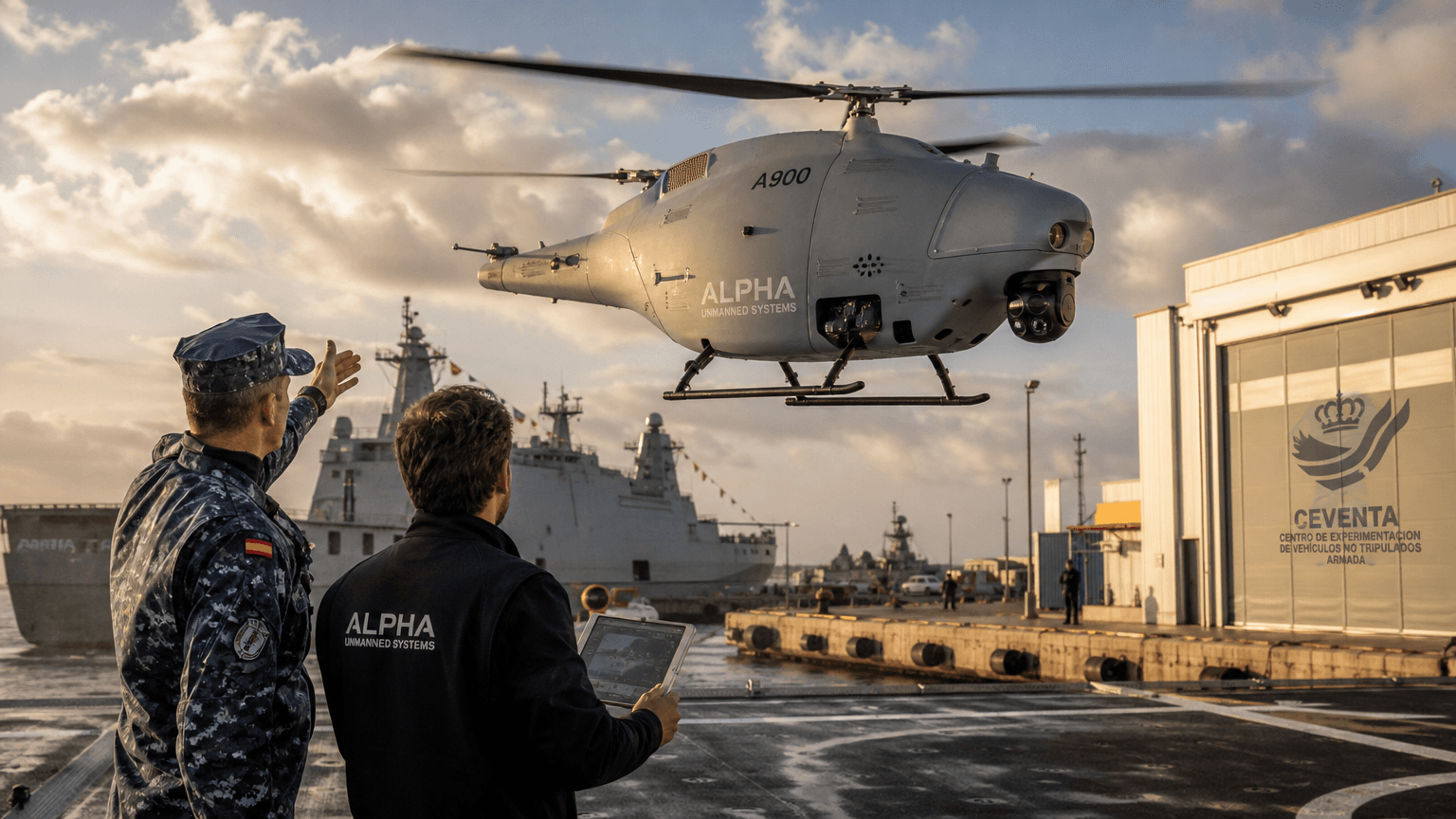
GlobalEye預警機作為多任務空中早期預警平台,可提供區域內廣幅的實時戰場感知;MQ-4C Triton則以超長航時、高空續航特性著稱,可執行長時段海域監控與反潛偵察任務,填補傳統有人預警機無法達成的巡邏需求。兩款系統的雙管齊下部署,呼應北約欲建構「美軍不必時時在場」的獨立防禦體系之戰略意圖。
歐洲戰略自主邁進新階段
業界分析指出,此次協議釋放出明確信號——北約歐洲成員國的戰略自主意識正大幅躍升。透過引進GlobalEye等多任務預警機與Triton等無人海上巡邏系統,各國得以在不完全依賴美軍資產的前提下,維持相當水準的戰場感知與海域監控能力。這種「自己的安全自己守」的思維,標誌著歐洲防務戰略的深層轉變。
據悉,峰會協議的完整細節仍在陸續揭露過程中,預計後續將有更多採購案與投資計畫公布。業界普遍預估,空中能力投資的規模與廣度將進一步擴大,未來數年北約成員國在無人機、預警機等空中系統的採購預算將創下新高。
無人機成防務自主關鍵
MQ-4C Triton無人機在此協議中的地位尤為突出。相比於需要常駐飛行員與龐大後勤支持的有人預警機,Triton的長航時特性(可連續飛行超過24小時)與遠程操控能力,使其成為經濟效益更高的海上監控解決方案。對於資源有限的中小型北約盟國而言,無人機系統的採購成本相對較低,卻能達成接近有人機的任務效能,因此成為各國優先採購清單上的核心項目。
對台灣業者的意義
本協議對台灣無人機產業與使用單位具有中期參考價值。首先,GlobalEye與Triton的採購規模,將帶動國際無人機暨預警系統市場需求擴大,台灣相關零組件供應商(如航電系統、通訊模組、複合材料供應商)有望受惠。其次,北約盟國強化防務自主的戰略轉向,暗示未來軍民兩用無人機應用生態將愈加緊密,台灣政府應加快本土無人系統(含軍規無人機、遠距識別、UTM基礎設施)的發展與認證進度,以因應潛在國防需求。第三,對台灣商用無人機業者而言,此協議凸顯高端應用(海上監控、長航時偵察)的市場價值提升,應考慮強化相關產品與服務能力。
常見問題
本文由 LAETimes 編輯部審核發佈 ·