俄軍卡車換新迷彩:「斑馬紋」塗裝對抗美製Hornet無人機AI導引
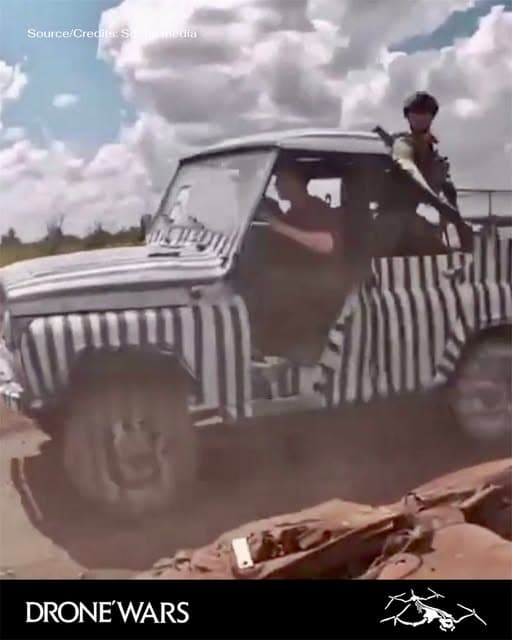
開源情報社群流傳的最新影像顯示,俄軍KamAZ卡車及其他軍事車輛採用醒目的「斑馬紋」幾何迷彩塗裝,目的是干擾美製Hornet無人機的AI輔助末端導引與目標辨識系統。這種戰術概念源自一戰時期英國皇家海軍的「炫目迷彩」技術,以大膽的幾何圖案和高對比色塊混淆敵方觀測,而非傳統隱蔽隱形。該設計將百年前的視覺欺騙概念重新應用於現代無人機對抗領域,針對的不再是人類視覺,而是機器學習演算法的辨識能力,充分展現現代戰場無人機攻防技術的持續創新。
俄軍KamAZ卡車及軍事車輛採用獨特「斑馬紋」幾何迷彩塗裝,目的是干擾美製Hornet無人機的AI目標辨識系統。這套戰術源自一戰「炫目迷彩」,展現現代無人機對抗技術的新進展。
重點速覽
- 俄軍採用「斑馬紋」幾何迷彩對抗美製Hornet無人機AI導引系統
- 該迷彩設計原理源自一戰英國「炫目迷彩」,以高對比圖案混淆視覺辨識
- 美製Hornet無人機配備AI輔助末端導引,用於最終目標確認階段
- 開源情報顯示多款俄軍車輛已裝備此新式迷彩塗裝
- 無人機攻防戰術演進,反制措施從人眼欺騙升級至AI對抗
文章重點
- 俄軍KamAZ卡車及多款車輛採用「斑馬」幾何條紋迷彩,以干擾美製Hornet無人機的AI目標辨識系統。
- Hornet無人機據報搭載AI輔助末端導引系統,用於最終接近階段的目標辨識與打擊確認。
- 「斑馬」迷彩設計靈感源自第一次世界大戰的「炫目迷彩」(Dazzle Camouflage),原用於混淆敵方對軍艦航向與速度的判斷。
- 此戰術標誌著反無人機措施從電子干擾轉向針對AI視覺演算法的視覺欺騙,顯示現代戰場無人機攻防持續演進。
- 相關影像來源於社群媒體及Exilenova+等開源情報管道,目前已在開源情報社群中廣泛流傳。
俄軍新戰術:「斑馬紋」迷彩對決AI導引無人機
根據開源情報社群最新公布的影像資料,俄軍部隊在KamAZ卡車及多款軍事車輛上採用一種引人注目的「斑馬紋」幾何迷彩塗裝。這套新式塗裝方案的出現,標誌著現代無人機戰場對抗戰術再度演進。
AI導引系統催生新型迷彩
美製Hornet無人機據報導配備AI輔助末端導引系統,能在最終接近階段自動執行目標辨識與打擊確認。俄軍此舉正是針對這套AI視覺系統而設計。醒目的斑馬紋幾何圖案塗裝,目的是通過大膽的色塊對比與視覺混亂,混淆機器學習演算法對車輛形狀、尺寸與位置的判斷能力,從而降低無人機打擊精度。
這種做法反映出一個重要現象:隨著無人機AI導引技術的進步,傳統的隱蔽偽裝手段(如顏色匹配、輪廓隱藏)效能下降,新型視覺欺騙手段應運而生。
百年迷彩技術的現代應用
俄軍採用的「斑馬紋」設計思路並非全新創意,而是源自一戰時期英國皇家海軍的「炫目迷彩」(Dazzle Camouflage)概念。該技術於1914-1918年期間廣泛應用於英國戰艦,採用大膽的黑白幾何圖案與高對比色塊,目的並不是讓艦艇在視野中消失,而是通過視覺混亂使敵方觀測者難以準確判斷艦艇的速度、航向與距離。
一百多年後,這套視覺欺騙原理被重新應用於現代無人機對抗戰場。關鍵差異在於:傳統炫目迷彩對抗的是人眼和觀測者的空間判斷能力,而現代版本則需要針對機器學習演算法的特性進行優化。AI視覺系統依賴於特徵提取與模式匹配,因此高對比的幾何圖案能有效擾亂神經網路對車輛邊界、材質與標誌性特徵的識別過程。
無人機對抗升級的新信號
這一發展充分說明現代戰場無人機防禦技術的快速迭代。從被動規避(隱蔽偽裝)到主動欺騙(視覺混淆),俄軍正在探索低成本、易部署的AI對抗方案。相比於昂貴的電子干擾設備或物理防禦系統,塗裝改裝具有高度可行性與可擴展性。
開源情報社群透過社群媒體、專業分析平台與維基百科等公開渠道持續追蹤此類發展。隨著無人機在現代衝突中扮演越來越重要的角色,攻防雙方的技術競賽也在加速。俄軍的新型迷彩塗裝可能只是開端,美軍與其他國家必然會推進AI導引系統的對抗性能優化,進而引發新一輪的軍備技術循環。
對台灣業者的意義
台灣無人機業者與軍事應用單位應高度關注此發展。若台灣本地製造的無人機或進口美製無人系統未來採用類似AI導引技術,相應的抗干擾設計將成為必要課題。農業植保無人機廠商(如極飛等)需評估類似迷彩對長期農業應用的影響;而基礎設施巡檢業者應關注不同視覺對抗手段可能對檢測效率的衝擊。此外,台灣防務廠商若涉及無人機相關研發,應考慮將AI對抗韌性納入設計指標,以應對日益複雜的電子戰環境。
常見問題
本文由 LAETimes 編輯部審核發佈 ·