月球測繪新里程碑 Moonraker光達計畫入選歐洲太空任務
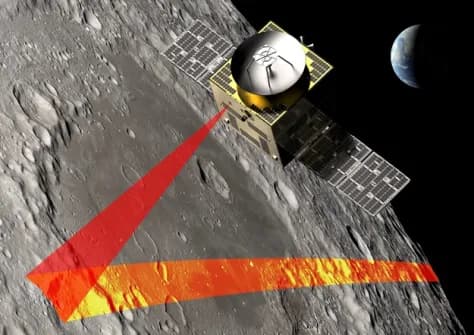
歐洲太空機構(ESA)已將Moonraker月球光達測繪提案列入下一代太空任務研究名單。該計畫以LiDAR技術為核心,計畫對月球表面進行詳細的三維地形掃描與空間資料採集,協助科學家建立高精度月球地圖、識別著陸點與資源分布。此舉反映歐洲積極參與全球月球探勘的決心,以應對美國NASA阿提米絲計畫及中日等國的月球任務競爭。提案目前仍在研究評估階段,待可行性驗證後方可納入正式任務規劃。
歐洲太空機構選定Moonraker月球LiDAR提案進入下一代任務研究階段。該計畫將運用光達技術進行月球表面高精度三維測繪,展現歐洲在國際月球探勘競賽中的技術實力。
重點速覽
- Moonraker月球光達提案入選ESA下一代太空任務研究候選項目
- 計畫採用LiDAR技術建立月球高解析度地形圖與資源分布
- 支援未來載人登月及月球基地選址規劃決策
- 標誌歐洲在國際月球探勘競賽中的戰略積極布局
- 提案仍處研究階段,需通過可行性評估方可正式納入任務規劃
文章重點
- Moonraker月球LiDAR提案已獲選為歐洲下一代太空任務研究候選項目之一。
- Moonraker計畫以LiDAR光達技術對月球表面進行高精度三維地形測繪。
- LiDAR技術可協助識別月球著陸點、資源分布,支援未來載人登月選址。
- 該提案目前仍處於可行性研究階段,尚未正式納入歐洲太空總署任務規劃。
- 此計畫反映歐洲在全球月球探勘競賽中積極發展自主測繪技術的戰略方向。
歐洲月球測繪雄心:Moonraker光達計畫獲選
歐洲太空機構(ESA)日前宣布,Moonraker月球光達測繪提案已通過評審,成功納入下一代太空任務的研究候選項目。這項決定標誌著歐洲在月球探勘技術發展上邁入新階段,並展現該機構在國際太空競賽中的積極布局。
LiDAR技術延伸至月球任務
Moonraker計畫的核心技術為LiDAR(光達),這項感測技術在地球上已被廣泛應用於無人機遙測、地形測量與基礎設施巡檢等領域。透過發射及接收激光脈衝,LiDAR可精確測定距離與地表輪廓,即使在光線條件複雜的環境下亦能穩定運作。
應用於月球環境時,該技術的優勢尤為明顯。Moonraker計畫將利用LiDAR感測器對月球表面進行詳細的三維掃描,採集高精度的空間資料。這些資料將協助科學家與工程師完成以下任務:
建立高解析度月球地形圖:相比既有衛星影像,LiDAR提供的三維點雲資料可揭示更微細的地形特徵,為後續探勘規劃提供精確基礎。
識別潛在資源與著陸點:通過精確測繪,研究人員可定位月球水冰等戰略資源的分布區域,並評估不同著陸區域的地形安全性與可行性。
支援月球基地選址:隨著人類月球探勘從短期任務邁向長期駐留,精密的地形資料將直接關乎月球基地的選址決策與基礎設施規劃。
全球月球探勘競賽加劇
Moonraker獲選進入研究階段,反映出歐洲在當前全球月球探勘競爭格局中的戰略考量。當前,美國NASA正推進阿提米絲計畫,目標是在2030年代實現載人月球著陸與基地建設;中國已透過嫦娥計畫成功實現月面著陸與樣本返回;日本、印度等國家亦相繼推進各自的月球任務。
在此背景下,歐洲必須透過自主研發的先進測繪技術,在國際月球探勘合作中佔據一席之地。Moonraker計畫正是這一戰略方向的具體體現,它將強化歐洲在月球科學與工程技術領域的自主能力。
下一步路徑與時程
目前Moonraker仍處於提案研究階段,並未進入開發實施階段。根據ESA的標準流程,該提案需經過詳細的可行性評估、技術風險分析與預算評審,才能確認是否正式納入機構的長期任務規劃。這一評估週期通常需要一至兩年。
儘管如此,Moonraker的入選已體現了ESA對月球測繪技術的重視,亦預示著未來數年內,LiDAR等遙感技術在月球探勘中將扮演愈加重要的角色。
對台灣業者的意義
對台灣無人機與遙感產業而言,Moonraker計畫的推進具有間接但重要的參考價值。其一,該計畫彰顯LiDAR技術在高精度測繪領域的戰略地位,台灣無人機製造商與遙測服務商應密切追蹤該技術在商業應用端的進展與標準化方向。其二,歐洲在月球任務中採用本土技術的戰略,啟示台灣應強化航太感測器的自主研發與國際合作,避免過度依賴進口元件。其三,隨著全球太空探勘預算增加,台灣相關供應鏈廠商(如精密機械、電子模組)可留意衍生商業機會。
常見問題
本文由 LAETimes 編輯部審核發佈 ·