US Marine Corps Upgrades MADIS Counter-Drone System with Autonomous Ground Vehicles
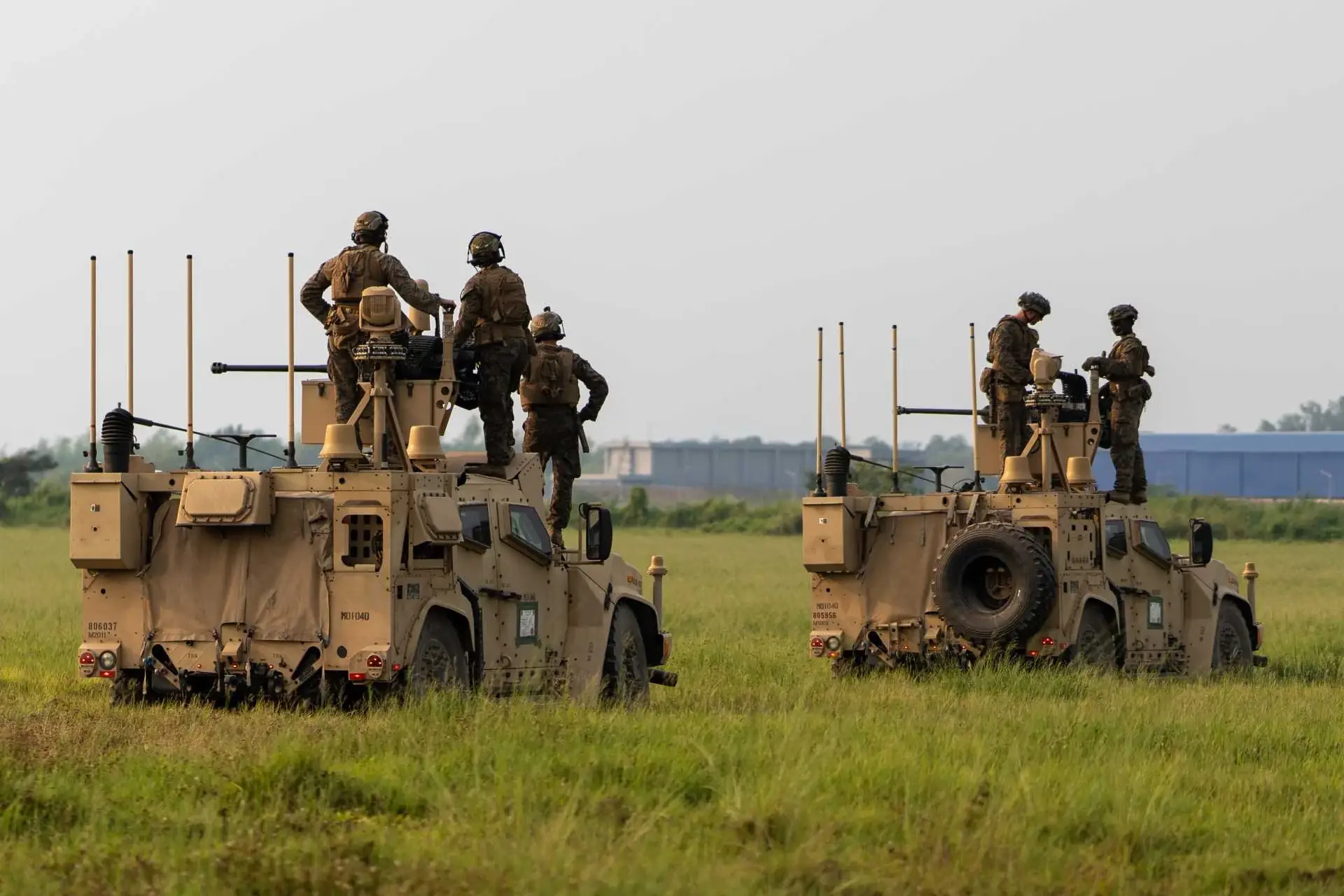
The US Marine Corps is integrating autonomous ground vehicles into its MADIS (Marine Air Defense Integrated System) counter-drone platform as part of a new modernization phase. The upgrade aims to enhance mobile short-range air defense capabilities while reducing risk to personnel operating in highly contested environments against increasingly sophisticated drone threats.

Highlights
- The US Marine Corps is integrating autonomous ground vehicles into its MADIS counter-drone system as part of a new modernization phase aimed at enhancing mobile short-range air defense.
- MADIS combines sensors, C2 systems, and engagement weapons to detect, track, and neutralize low-altitude drone threats, and has served as the Marine Corps' primary sUAS defense platform.
- Autonomous vehicle integration will reduce the number of personnel required for frontline air defense missions, lowering risk exposure in highly contested environments.
- The upgrade addresses a diversified battlefield drone threat landscape that now includes both small reconnaissance UAVs and lethal loitering munitions.
- The modernization program is expected to improve survivability and mission flexibility for Marine Expeditionary Forces and lay the foundation for future unmanned air defense operations.
US Marine Corps Upgrades MADIS Counter-Drone System with Autonomous Ground Vehicles
QUANTICO — The US Marine Corps is advancing its MADIS (Marine Air Defense Integrated System) counter-drone platform into a new phase of modernization by integrating autonomous ground vehicles, bolstering defenses against increasingly sophisticated unmanned aerial threats.
The initiative reflects the Marine Corps' strategic intent to enhance mobile short-range air defense (M-SHORAD) capabilities while reducing risk to personnel conducting missions in highly contested operational environments.
Background: The MADIS System
MADIS has long served as the Marine Corps' primary air defense platform against small unmanned aerial system (sUAS) threats. The system combines sensors, command-and-control (C2) architecture, and a range of engagement weapons to detect, track, and neutralize low-altitude drone targets.
Strategic Significance of Autonomous Vehicle Integration
With the introduction of autonomous ground vehicles, MADIS will be capable of executing air defense missions with a reduced human footprint, significantly lowering the exposure of frontline personnel to enemy fire. Autonomous platforms can also sustain continuous air defense coverage in electromagnetically contested environments or complex terrain where traditional crewed vehicles face operational limitations.
Responding to an Evolving Drone Threat
As both commercial and military drone technologies advance rapidly, the threat profile on the modern battlefield has diversified considerably — ranging from small reconnaissance UAVs to loitering munitions carrying lethal payloads. The MADIS modernization program represents the Marine Corps' direct response to this trend, ensuring forces maintain an effective air defense posture across multi-domain operational environments.
The upgrade program is expected to further enhance the overall survivability and mission flexibility of Marine Expeditionary Forces, while laying the groundwork for future unmanned air defense operations.
原文來源: 查看原文
FAQ
Newsletter
Subscribe to our Low-Altitude Industry Newsletter
Daily curated news on low-altitude economy and drone industry, delivered to your inbox.