MIT開發3D列印客製化拉鍊,帳篷80秒快速組裝
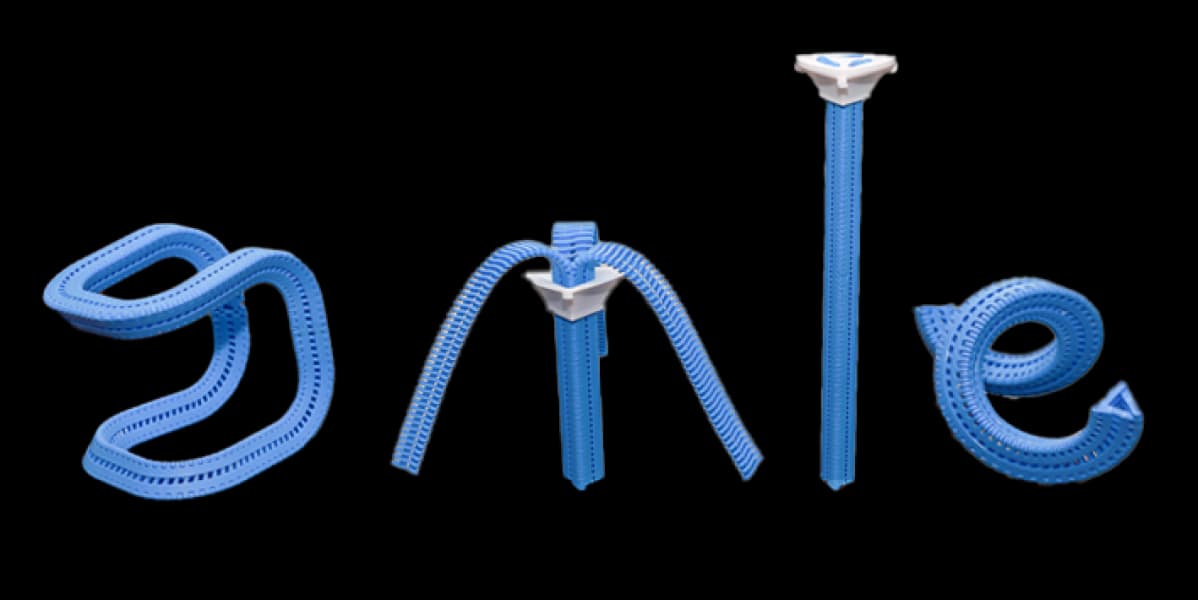
MIT電腦科學與人工智慧實驗室(CSAIL)副教授Stefanie Mueller領導團隊,以1980年代Freeman的三邊拉鍊專利為基礎,開發出革命性的可3D列印客製化緊固件。該設計由三條彈性臂組成,拉合後可形成各種剛性結構,使用者可自由調整條帶長度、彎折角度與最終形態。實際應用展示中,搭帳篷時間僅需80秒,可調式骨折護具無須更換石膏,機器人肢體高度可透過按鈕即時調整。研究預計發表於學術論文,有望為醫療、戶外與機器人領域帶來創新設計。
MIT CSAIL團隊受30年前廢棄專利啟發,設計出可3D列印的智慧緊固件,具三條彈性臂,搭帳篷只需80秒,應用涵蓋醫療護具與機器人肢體。
重點速覽
- MIT CSAIL開發可3D列印客製化拉鍊,基於1980年代Freeman專利改良。
- 三條彈性臂拉合可形成剛性結構,使用者可自訂長度、角度與形態。
- 採用此緊固件的帳篷搭設時間從數分鐘降至80秒,大幅提升效率。
- 可調式骨折護具免除石膏不便,機器人腿高可按鈕即時調整。
- 研究成果涵蓋醫療輔具、戶外裝備與軟體機器人等多元應用領域。
文章重點
- MIT CSAIL副教授Stefanie Mueller團隊開發出可3D列印的三臂式客製化緊固件,靈感源自William Freeman於1980年代中期取得的三邊拉鍊專利。
- 使用者可透過配套軟體自訂條帶長度、彎折角度及最終形態(直線、彎曲、捲繞或扭轉),以塑膠材料3D列印製作。
- 採用此緊固件的帳篷搭設時間僅需80秒,較傳統帳篷大幅縮短。
- 結合此緊固件的骨折腕部護具可依需求自由調整鬆緊,解決傳統石膏無法調整的缺點。
- 加裝馬達後,此緊固件可應用於機器人肢體高度控制,按下按鈕即可即時調整腿部高度。
MIT突破緊固件設計 客製化拉鍊重新定義快速組裝
MIT電腦科學與人工智慧實驗室(CSAIL)日前公開一項突破性研究:可3D列印的客製化智慧緊固件,將傳統拉鍊機制升級為多功能適應型系統,應用範圍從戶外裝備、醫療輔具到軟體機器人。
尋獲遺珠:30年專利獲新生
這項研究的靈感源自一份被塵封的專利。MIT CSAIL副教授Stefanie Mueller的團隊發現,已故校友、現任MIT教授William Freeman在1980年代中期開發的三邊拉鍊專利從未被商業化應用。Mueller團隊以此專利為基礎,設計配套軟體平台,將Freeman的概念轉化為可實際製造的3D列印解決方案。
三臂結構:從柔性到剛性的無縫切換
新型緊固件的核心設計為三條彈性「臂」。拉動時,三臂相互交織纏繞,最終形成堅固的剛性結構。與傳統拉鍊只能閉合平面物體不同,此設計具有動態變形能力。
使用者可透過軟體自訂以下參數:
- 條帶長度:從數公分到數公尺皆可客製
- 彎折角度與方向:精確控制臂部的旋轉軌跡
- 最終形態:直線、彎曲、捲繞或螺旋扭轉等多種配置
實場應用:效率提升三倍以上
MIT團隊展示的應用案例印證了此設計的實用價值:
帳篷快速搭設:傳統帳篷搭設通常耗時3-5分鐘,採用此緊固件的原型帳篷僅需80秒即可完成。搭設流程簡化為拉動緊固件,三臂隨即鎖定帳篷骨架形狀。
醫療護具革新:傳統骨折護具需以石膏固定,患者在傷口癒合過程中因無法調整而忍受不適。新型護具整合此緊固件,患者可自行拉動進行鬆緊調整,消除重新就醫的必要性。
機器人肢體控制:加裝馬達與感測器後,機器人腿部高度可透過單一按鈕實時調整。此機制相比傳統齒輪系統更輕巧、更易維護。
設計師願景:從靜態到動態
論文共同第一作者、MIT博士後研究員Jiaji Li指出,傳統拉鍊機制適合閉合平面物體(如外套),但Freeman當年的構想遠為宏大——設計一種可在柔性與剛性之間快速切換的通用系統。
「我們開發的工作流程不僅能製造這類物體,更重要的是確保它們在現實環境中可靠運作,」Li表示。研究團隊已完成多輪製造與測試,驗證3D列印材料在反覆拉合下的耐久性。
產業應用前景
該研究預計於近期發表於頂級學術期刊。團隊認為,此技術最具潛力的應用領域包括:
- 户外運動裝備:帳篷、背包、登山架等可快速組裝
- 醫療復健:可調式護具、矯正器、假肢等穿戴裝置
- 軟體機器人:柔性執行器與適應性肢體結構
- 應急救災:快速部署臨時庇護所與醫療設施
這項研究將拉鍊這一百年技術推向新的維度,展現學術研究如何將被遺忘的創意轉化為實用創新。
對台灣業者的意義
此研究對台灣產業具有三層意義。首先,國內登山裝備與戶外用品製造商(如品牌代工廠)可評估導入此技術於帳篷、背包等快速組裝產品,提升競爭力。其次,醫療器材廠商與骨科護具供應商應關注此客製化護具的商業化進展,考慮技術授權或合作製造的機會。第三,台灣的3D列印設備與材料廠商(如XYZprinting等)可針對此應用場景開發專用塑膠或複合材料配方,搶攻新興市場。建議產業界關注MIT後續的學術論文與專利申請進展。
常見問題
本文由 LAETimes 編輯部審核發佈 ·