NASA, UNOS, and LifeNet Complete BVLOS Drone Transport of Human Kidney in Landmark Trial
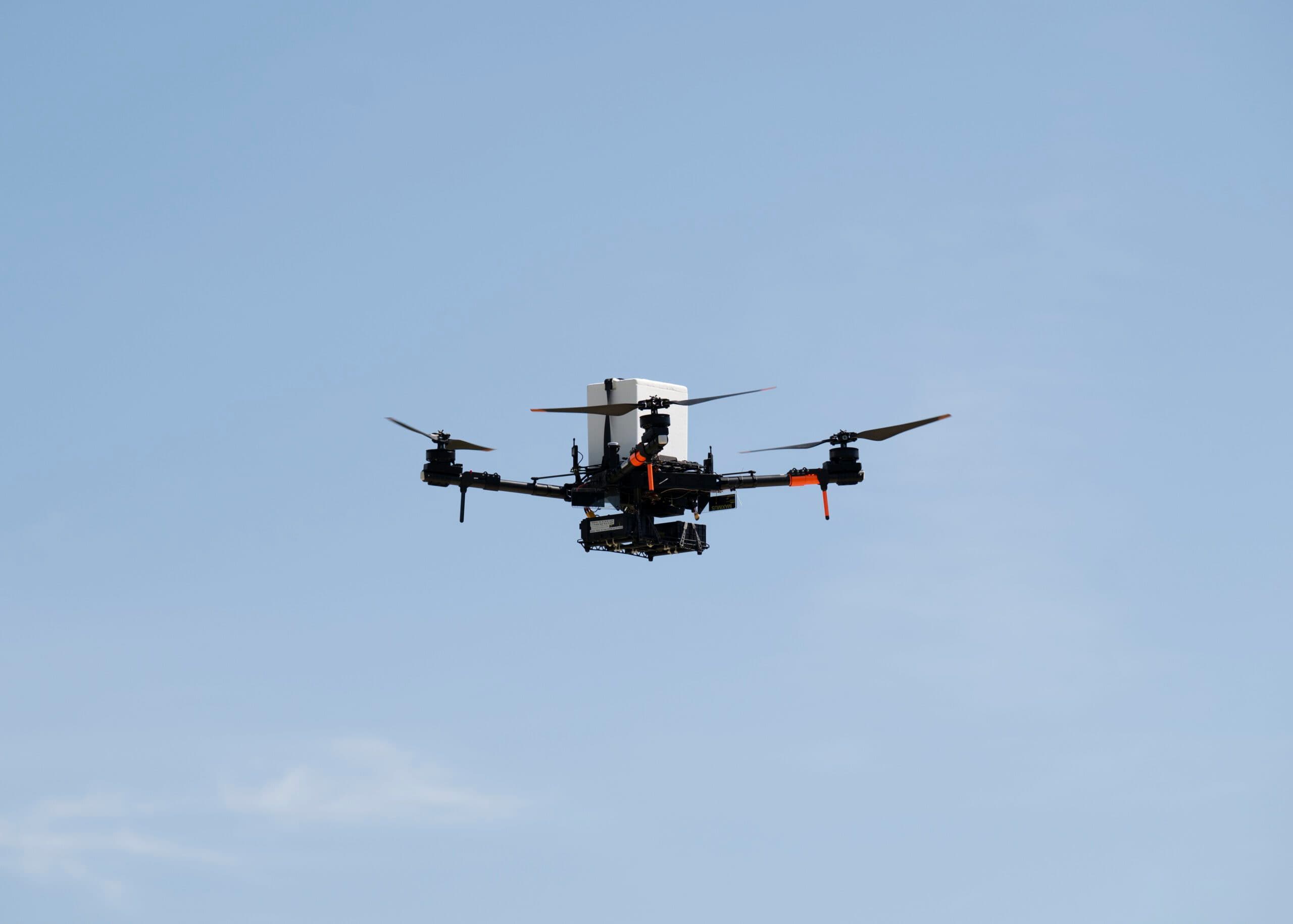
The United Network for Organ Sharing (UNOS), NASA Langley Research Center, and LifeNet Health have successfully completed an experimental BVLOS drone flight transporting a human kidney, marking a significant milestone in exploring drone applications for organ transplant logistics.

Highlights
- UNOS, NASA Langley Research Center, and LifeNet Health successfully completed a BVLOS drone flight transporting a real human kidney, marking a landmark in medical logistics.
- The trial specifically evaluated BVLOS feasibility for organ transport, addressing challenges such as traffic congestion and slow response times faced by conventional methods.
- LifeNet Health's organ and tissue preservation expertise was used to ensure kidney viability was maintained throughout the drone transport experiment.
- Experimental data will be used to inform future regulatory frameworks and operational standards for drone-based organ delivery.
- The research team plans to continue assessing the impact of drone transport on organ viability and transplant success rates in collaboration with regulatory authorities.
NASA, UNOS, and LifeNet Complete BVLOS Drone Transport of Human Kidney in Landmark Trial
Research explores drones' potential role in future organ transplant logistics
The United Network for Organ Sharing (UNOS), NASA Langley Research Center, and LifeNet Health have collaborated to complete a landmark experiment — successfully transporting a human kidney via a beyond visual line of sight (BVLOS) drone flight. The trial represents a major step forward in assessing the viability of drones for organ transplant logistics.
Background and Significance
The time-critical nature of organ transplantation can mean the difference between life and death for patients. Conventional ground and air transport methods frequently face challenges including traffic congestion, adverse weather conditions, and lengthy response times. This research partnership was designed to evaluate whether drones could serve as a faster and more reliable alternative for organ transport — with a particular focus on the feasibility of BVLOS operations.
Roles of the Three Partners
- UNOS: Coordinated organ-sharing policy and provided transplant logistics expertise
- NASA Langley Research Center: Contributed aeronautical research capabilities and flight safety assessment
- LifeNet Health: Applied its expertise in organ and tissue preservation to ensure organ viability was maintained throughout transport
Key Findings
The experiment successfully demonstrated that a drone operating under BVLOS conditions can safely and effectively transport a real human kidney. Beyond showcasing the potential of drones in medical logistics, the trial generated valuable data to inform future regulatory frameworks and operational standards.
Looking Ahead
The research team stated that the results of this trial will serve as the foundation for further studies. Subsequent phases will continue to assess the impact of drone transport on organ viability and overall transplant success rates. The team also plans to work with regulatory authorities to advance relevant rules and standards, with the long-term goal of formally integrating drone delivery into the organ transplant logistics system.
As BVLOS drone technology and airspace management systems continue to mature, drones are poised to play an increasingly critical role in the urgent delivery of medical supplies and life-saving cargo.
All images courtesy of NASA
原文來源: 查看原文
FAQ
Newsletter
Subscribe to our Low-Altitude Industry Newsletter
Daily curated news on low-altitude economy and drone industry, delivered to your inbox.