北約採購五架Triton無人機 強化北大西洋海域監視網絡
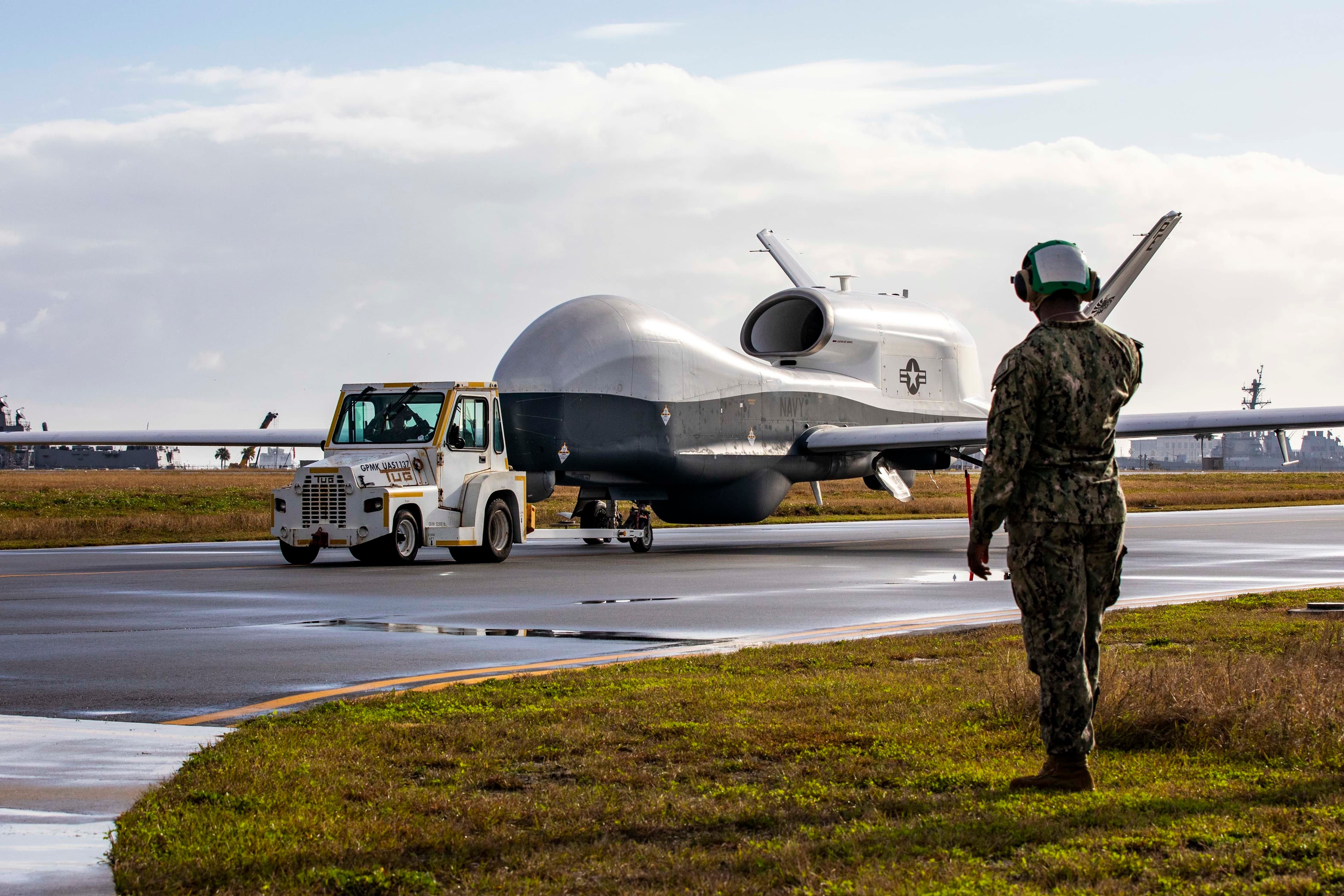
北約秘書長馬克·呂特於安卡拉北約國防工業論壇宣布,北約將採購最多五架MQ-4C Triton無人機,強化海上監視與偵察(ISR)能力。該型高空長航時無人機由諾斯洛普·格魯曼製造,可在逾50,000英尺高空連續飛行超過24小時,航程達7,400海里,將協助北約偵測威脅、保護海上交通線並支援北極等高難度地區行動。此合作採用跨大西洋產業分工模式,促進歐美國防工業協作。
北約秘書長呂特宣布採購最多五架MQ-4C Triton無人機,將強化海上監視與ISR能力,並透過跨大西洋產業合作模式,促進歐美防衛產業協作。
重點速覽
- 北約採購最多五架MQ-4C Triton無人機,強化海上監視與ISR能力
- Triton可於50,000英尺高空連續飛行24小時以上,航程達7,400海里
- 諾斯洛普·格魯曼製機,歐洲廠商參與任務系統與基礎設施建置
- 呂特強調ISR能力是北約戰略關鍵,助盟國即時態勢感知
- 美國與澳洲已成功運用Triton,北約採購將擴大國際部署版圖
文章重點
- 北約宣布將採購最多五架 MQ-4C Triton 無人機,用於海上監視及 ISR 任務。
- MQ-4C Triton 可在逾 50,000 英尺高空持續飛行超過 24 小時,航程達 7,400 海里。
- 諾斯洛普·格魯曼負責製造機體,歐洲產業界參與任務支援、數據系統與基礎設施建置。
- 北約秘書長呂特強調此採購案將在大西洋兩岸創造就業機會,體現跨盟友產業合作精神。
- MQ-4C Triton 現役使用國為美國海軍與澳洲皇家空軍,北約加入後將擴大其國際部署規模。
北約擴大海上監視能力 採購Triton無人機編隊
北約秘書長馬克·呂特(Mark Rutte)於本週在土耳其安卡拉舉行的北約國防工業論壇上正式宣布,北約將採購最多五架MQ-4C Triton無人飛行載具,成為其空中感測器網絡的重要補強。這項決策反映了北約在俄烏戰爭後,對高端ISR(情報、監視與偵察)能力的迫切需求。
高空長航時機型 專為大範圍海域偵查
MQ-4C Triton是美國國防航太大廠諾斯洛普·格魯曼開發的專業級無人機,設計目標直指大規模海上監視任務。根據廠商數據,該機具備三大核心優勢:可在逾50,000英尺的超高空持續飛行超過24小時、單次航程達7,400海里(約13,700公里),足以覆蓋北大西洋、北冰洋等廣闊海域。
呂特在論壇上強調,「這些飛機能在高空長時間飛行,覆蓋包括公海在內的大面積區域,效率遠超大多數其他飛機。」Triton的續航優勢意味著北約可用更少數量的無人機完成更廣泛的海域監視,提升監視涵蓋率與成本效益。
戰略層面:ISR能力已成北約優先項
呂特特別強調,ISR能力已成為北約防衛戰略的核心。他指出,「情報、監視與偵察能力對北約至關重要,能夠提供即時態勢感知,協助成員國做出正確決策、超前應對威脅。」在俄烏戰爭暴露北約對烏克蘭東部高空監視能力不足後,各盟國已將ISR現代化列為防衛優先項,Triton採購計畫正是這波升級的具體體現。
Triton將協助北約在多個戰略方向強化態勢感知:偵測潛在海上威脅、保護經由北大西洋的關鍵商運線、支援北極地區等地理環境複雜且傳統監視難以到達的區域。
跨大西洋產業聯動 創造就業機會
此次採購案採用創新的產業合作模式,體現了北約強化跨大西洋防衛一體化的戰略意圖。諾斯洛普·格魯曼負責Triton機體製造與核心系統,而歐洲防衛產業將參與任務支援系統、數據處理系統及地面基礎設施的開發建置。
呂特特別指出這種分工的象徵意義:「這真正是在北約內部製造的,並在大西洋兩岸創造就業機會。」這樣的合作模式不僅強化了北約內部防衛工業的協同,也避免了過度依賴單一國家或廠商的風險。
全球運用版圖擴張
MQ-4C Triton目前的主要操作方為美國海軍與澳洲皇家空軍。北約此次採購將進一步擴大該型機的國際版圖,並通過北約的統一運用標準與保障體系,提升多國協同作戰的效率。未來隨著北約盟國逐步掌握Triton的運用經驗,可能激發更多國家的採購需求。
此次宣布恰逢北約峰會期間舉行,反映了北約對強化聯盟防衛能力的高度重視。
對台灣業者的意義
對台灣無人機產業而言,北約Triton採購案具有三層指標性意義。其一,該案確認了長航時、高空ISR無人機在大國戰略競爭中的核心地位,台灣的Skydio、騰實等廠商雖未涉及軍用ISR,但應關注相關技術標準與國際規範演進;其二,跨大西洋防衛產業聯動模式凸顯了對夥伴國家防衛工業的重視,台灣作為印太戰略重點,應評估與美日等盟國的無人機產業協作機會;其三,北約對ISR能力的升級預示台灣在面臨多向威脅時,類似高端長航時無人機的需求將上升,本地廠商應關注國防部採購的技術規格走向,為參與國防自主做準備。
常見問題
本文由 LAETimes 編輯部審核發佈 ·