革命飛控技術!Aurora X-65 無副翼實驗機 2026 年底首飛
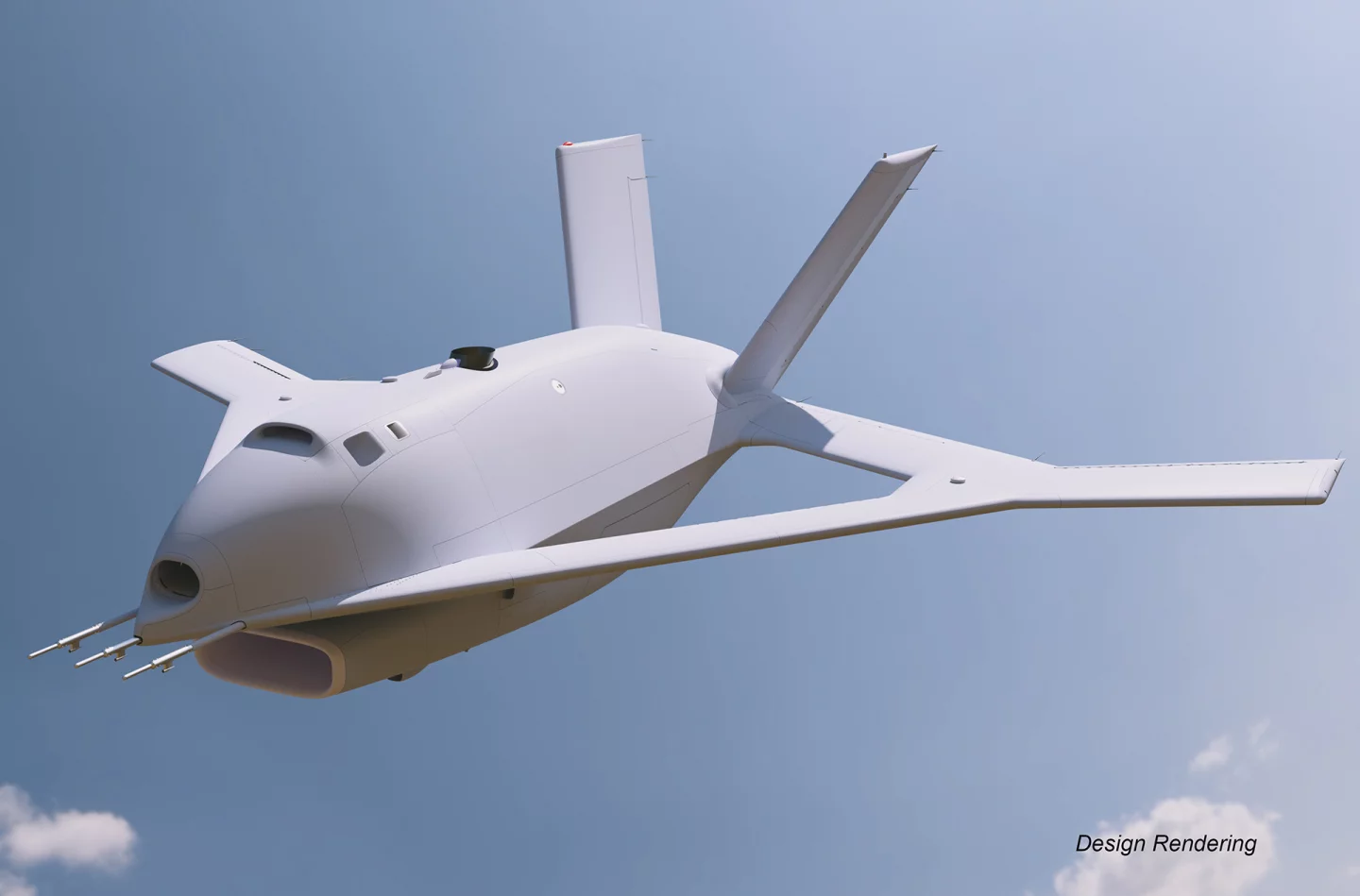
Aurora Flight Sciences 與 DARPA 合作的 X-65 實驗機已抵達組裝廠進行整合。該機採用革命性的主動流量控制(AFC)技術,透過機翼表面微小噴氣孔噴射氣流,精準控制飛行姿態,完全取代傳統副翼與控制面。此設計不僅簡化機械結構,更重要的是消除突出物可大幅降低雷達截面積,增強匿蹤性能。該計畫預定 2026 年底前實現首飛,若成功將成為下一代飛行器設計的基礎。
Aurora Flight Sciences 與美國國防高等研究計劃署(DARPA)合作開發的 X-65 三角翼實驗機已運抵維吉尼亞州組裝廠。這架採用主動流量控制技術取代傳統副翼的飛行器,將於 2026 年底前完成首飛,有望顛覆現代飛行控制設計。
重點速覽
- X-65 三角翼已運抵維吉尼亞州組裝廠,進行機翼機身整合作業
- 採用主動流量控制技術,以精準噴氣孔替代傳統副翼、方向舵、升降舵
- 消除活動翼面設計可大幅降低雷達截面積,提升匿蹤性能
- 簡化機械結構、降低維護成本,未來應用於軍用無人機與戰鬥機
- DARPA 與 Aurora 預定 2026 年底前完成首飛,驗證新技術可行性
文章重點
- Aurora Flight Sciences 宣布 X-65 三角翼已運抵維吉尼亞州組裝廠,機翼與機身整合作業正式展開。
- DARPA 與 Aurora 將首飛目標設定於 2026 年底前,以驗證主動流量控制技術的實際飛行效能。
- X-65 完全捨棄副翼、方向舵等傳統活動翼面,改以機翼噴氣孔的主動流量控制(AFC)操控飛行姿態。
- 取消活動翼面可降低雷達截面積,強化匿蹤性能,同時簡化機械結構並減少維護成本。
Aurora X-65 實驗機抵達組裝廠,顛覆傳統飛控設計
Aurora Flight Sciences 日前宣布,該公司與美國國防高等研究計劃署(DARPA)聯合開發的 X-65 三角翼實驗機已成功運抵維吉尼亞州的組裝設施。目前廠房內正積極進行機翼與機身的整合作業,標誌著這項革命性飛行控制計畫邁入新階段。
主動流量控制技術革新飛行器設計
X-65 是 DARPA「主動流量控制推進翼(CRANE)」計畫的核心成果,其最大創新在於徹底拋棄飛機傳統賴以控制姿態的活動翼面結構。傳統飛行器需要副翼(aileron)控制滾轉、升降舵(elevator)控制俯仰、方向舵(rudder)控制偏航,這些機械式活動翼面在飛行中不斷擺動調整。
X-65 改採主動流量控制(Active Flow Control, AFC)技術,透過機翼與機身表面佈置的微小噴氣孔,精準噴射壓縮氣流,改變機翼周圍的空氣動力特性,進而達成控制飛行方向與姿態的目的。這意味著飛行器在飛行過程中無需任何機械式活動翼面,完全依靠流場控制實現飛行控制。
簡化結構、強化匿蹤的軍事優勢
消除活動翼面帶來的優勢遠超工程簡化層面。首先,取消副翼、升降舵、方向舵等機械結構,意味著飛行器的機械部件大幅減少,不僅降低製造與維修成本,還提升系統可靠性。
更重要的軍事意義在於——機身上的突出物減少,飛機的雷達截面積(RCS)將顯著降低。傳統飛行器的活動翼面在雷達波照射下會產生強烈回波,容易暴露位置。X-65 的無副翼設計使其匿蹤性能大幅提升,對於未來軍用無人機、偵察機乃至戰鬥機的設計具有深遠影響。
地面測試進行中,2026 年底首飛目標
Aurora Flight Sciences 與 DARPA 目前正在組裝廠內進行機身整合,完成後將展開一系列地面系統驗證測試,涵蓋主動流量控制系統的功能性、可靠性與安全性評估。這些地面測試是確保飛行安全的關鍵環節。
Both parties have locked in a first flight target of late 2026. 倘若所有地面驗證順利通過,X-65 將在 2026 年底前完成歷史性的首次飛行,正式驗證主動流量控制技術在真實飛行環境中的可行性與性能。
若首飛成功,此技術有望成為下一世代航空器設計的重要基礎,從軍事無人偵察機到未來戰鬥機,都可能採用這項革命性的飛行控制方案。
對台灣業者的意義
X-65 的主動流量控制技術對台灣無人機產業具有中期參考價值。台灣的無人機廠商(如 Skydio 等)主要聚焦商業應用,目前無涉軍事無人機設計;但此技術的民用變體——如降低機械複雜度、提升能效——未來可能應用於長續航、低成本的固定翼無人機設計。業者應關注 2026 年底首飛後的技術發展與論文發表,評估 AFC 技術在農業植保、基礎設施巡檢等應用場景的適用性。同時,若此技術成為國際軍用無人機標準,相關供應鏈與出口管制政策也可能調整,台灣廠商宜提早掌握動向。
常見問題
本文由 LAETimes 編輯部審核發佈 ·