比利時31億歐元防空大單:採購20套Skyranger 30應對無人機威脅
比利時計畫投資31億歐元進行防空系統現代化,包括採購20套萊茵金屬Skyranger 30短程防空系統與10套Kongsberg NASAMS飛彈發射器。Skyranger 30針對低空目標(無人機、直升機、低速固定翼機)設計,配備30毫米砲管與全天候作戰能力;NASAMS則負責中程防禦,兩者配合形成多層次防空網。此舉反映俄烏戰爭後北約對無人機威脅的重視,預期將帶動歐洲中小型國家跟進採購。
比利時宣布在31億歐元框架協議下,採購20套萊茵金屬Skyranger 30防空系統與10套NASAMS發射器,以強化對無人機及飛彈攻擊的防禦能力。
重點速覽
- 比利時投資31億歐元(約新台幣1,080億元)重建地面防空體系
- 採購20套Skyranger 30短程防空系統,30毫米砲管可攔截無人機群
- 加配10套Kongsberg NASAMS中程飛彈系統,實現分層防禦
- 俄烏戰爭驗證無人機威脅,促北約各國加速防空現代化
- 採購案採框架合約制,可分批交付提升預算運用彈性
文章重點
- 比利時計畫在31億歐元框架協議下,採購20套萊茵金屬Skyranger 30短程防空系統。
- 採購清單同時包含10套Kongsberg NASAMS中程防空飛彈發射器,全面重建地面防空層。
- Skyranger 30配備30毫米機砲,專為攔截低空無人機群及直升機等目標設計。
- 此採購案以框架合約形式推進,可分批交付,背景直接源於俄烏戰爭的無人機實戰教訓。
- 分析人士預期比利時此舉將帶動歐洲其他中小型國家跟進,擴大反無人機防空系統市場規模。
比利時大規模防空升級:應對無人機與飛彈雙重威脅
比利時國防部日前宣布,將在總額高達31億歐元(約新台幣1,080億元) 的框架協議下,啟動地面防空體系的全面重建計畫。此舉標誌著北約東翼國家因應日益升高的空中威脅而進行的防禦現代化動作。
採購架構:砲與飛彈的雙層防禦
此次框架採購包含兩大主軸裝備:
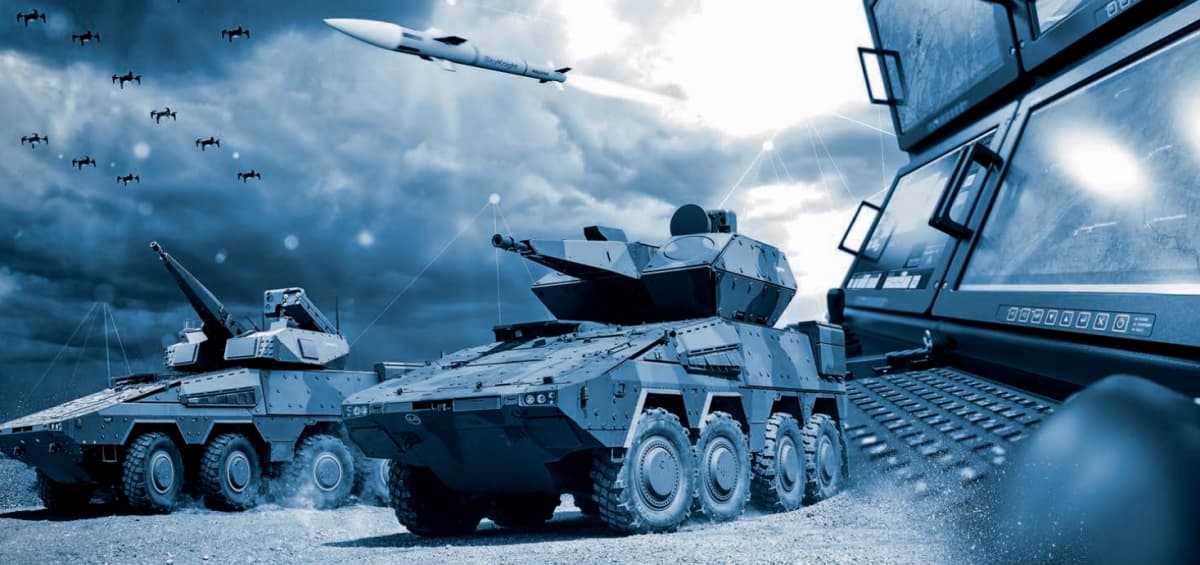
短程防禦層以20套萊茵金屬(Rheinmetall)的Skyranger 30系統為核心。該系統採用輪型底盤設計,具備高機動性,配備30毫米自動砲,專門攔截低空飛行目標——包括無人機群、直升機與低速固定翼飛行器。Skyranger 30全天候作戰能力使其能在各類天氣條件下發揮效能,對於應對日益多樣化的無人機威脅特別有效。
中程防禦層則由10套Kongsberg NASAMS(挪威先進地對空飛彈系統)發射器組成。NASAMS在北約多國廣泛部署,可有效攔截巡弋飛彈與各類中高空目標,形成防禦縱深。
驅動因素:俄烏戰爭的警示
自俄烏戰爭爆發以來,無人機的攻擊效能在實戰中得到充分驗證。從Shahed-136巡飛彈的長距離打擊到自殺式無人機群的飽和攻擊,各類無人機系統已成為現代戰場的關鍵威脅。這場衝突迫使北約各成員國加速補強防空缺口,特別是對低空與超低空目標的防禦能力。
比利時此次採購正是在此背景下提出。該國長期面臨短程地面防空領域的能力空缺,新採購案將顯著改善其防禦態勢。
採購模式:靈活的框架合約制
比利時採用框架合約形式推進此案,允許分批交付與部署。這種模式既保證了資金運用的彈性,又避免了一次性大額支出的財政壓力,對中小型國家的防衛預算更具現實意義。
產業趨勢:反無人機系統市場擴張
此次採購案再次印證了反無人機(Counter-UAS)防禦系統與傳統防空武器整合的市場趨勢。萊茵金屬的Skyranger系列近年在歐洲市場需求大幅成長,而Kongsberg的NASAMS亦持續獲得多國採購青睞。
業界分析指出,比利時此舉預計將帶動其他歐洲中小型國家跟進,進一步推升整個歐洲防空系統的採購規模,形成新一波防禦現代化浪潮。
對台灣業者的意義
此案對台灣產業的啟示在於反無人機防禦的戰略地位提升。台灣無人機廠商如欲拓展商業應用市場,應注意歐洲各國對Counter-UAS系統的整合需求——不僅涉及無人機製造,更涉及防禦軟體、偵測技術與系統整合。此外,台灣民航局與國防部應參考北約框架合約模式與多層防禦策略,檢視本地防空體系與UTM管制是否能應對未來無人機集群威脅。相關防禦系統與積體電路廠商亦應關注此類採購案的技術規格,評估供應鏈機會。
常見問題
Newsletter
訂閱低空產業電子報
每日精選低空經濟與無人機產業新聞,直送您的信箱。
本文由 LAETimes 編輯部審核發佈 ·