UK Bets Big on Drone Transformation: Cancels Future Destroyer, Commits Over $6.6B to Reshape Armed Forces
UK Prime Minister Keir Starmer has unveiled a Defence Investment Plan committing over £5 billion ($6.6 billion) to drones and autonomous systems over four years. The Royal Navy will scrap the planned Type 83 destroyer in favour of a 'hybrid fleet' pairing crewed warships with unmanned vessels. The Army and Royal Air Force are simultaneously pursuing multiple autonomous systems programmes, with the UK aiming to complete a sweeping military transformation by the 2030s.

Highlights
- The UK Defence Investment Plan commits over £5 billion ($6.6 billion) specifically to drones and autonomous systems over the next four years, within a total defence budget of £298 billion.
- The Royal Navy is cancelling the Type 83 destroyer and will instead field four new unmanned vessel types — Type 91, 92, 93, and 94 — alongside at least six crewed Common Combat Vessels in a hybrid fleet concept.
- Project Rapstone will receive approximately $66 million within 12 months to procure FPV attack drones and interceptor drones for the British Army.
- The Royal Air Force has secured approximately $10.6 billion for the Global Combat Air Programme (GCAP) with Japan and Italy, plus a new Collaborative Combat Air programme targeting an autonomous combat aircraft demonstrator by 2030.
- The Storm Shroud electronic warfare drone, equipped with the Leonardo BriteStorm stand-in jammer, will formally enter Royal Air Force service in 2025.
UK Bets Big on Drone Transformation: Cancels Future Destroyer, Commits Over $6.6B to Reshape Armed Forces
Unmanned systems are set to become the cornerstone of the UK's armed forces. The British government has unveiled a major programme worth more than $6.6 billion aimed at fundamentally transforming how the Royal Navy, British Army, and Royal Air Force fight. The most dramatic change sees the Royal Navy abandoning its planned future destroyer in favour of a 'hybrid, distributed' concept combining autonomous unmanned vessels with crewed warships. The Army and Royal Air Force are simultaneously undergoing large-scale reorganisation around drones and autonomous capabilities — though many programmes remain at an early stage of development, carrying considerable risk.
Prime Minister Keir Starmer delivered a speech today formally announcing the long-awaited Defence Investment Plan. The government stated the plan aims to "ensure the nation's security for years to come," with the UK armed forces set to rely heavily on autonomous systems to achieve that goal. Most of these systems do not yet exist in physical form, though the plan simultaneously emphasises rapid fielding of capabilities — underscoring both the ambition and the risk embedded in the overall strategy.
Under the Defence Investment Plan, the UK government will invest more than £5 billion (approximately $6.6 billion) in drones and related capabilities alone over the next four years. This forms part of a broader defence spending package — the total defence budget for the same period stands at £298 billion (approximately $395 billion), including an additional £15 billion ($20 billion) above last year's Spending Review.
Starmer claimed that by the end of the decade, UK defence spending as a share of GDP will reach its highest level in nearly 30 years, in line with NATO's target of raising defence expenditure to 3.5% of GDP.
The British government specifically cited the conflicts in Ukraine and Iran as evidence driving its 'drone transformation.' "Drones are rapidly reshaping warfare, with low-cost systems capable of destroying high-value targets, and innovation cycles measured in weeks rather than years," the government said in announcing the plan. "Ukraine uses approximately 200,000 drones per month to repel Russia's brutal invasion, while at the peak of the Iran conflict, 700 attack drones were launched in a single day."
Royal Navy
The Royal Navy's transformation plans have attracted the most attention.
As part of the previously announced 'hybrid fleet' concept, the Royal Navy will receive four new types of unmanned vessel to operate alongside crewed warships and aircraft.
Type 91: An unmanned missile platform serving as a 'floating arsenal' to enhance the fleet's overall firepower. Expected to carry air defence, long-range land-attack, and anti-ship missiles with rapidly interchangeable, highly modular weapon configurations. Lessons from the Red Sea conflict have dramatically illustrated how quickly missile stocks are depleted in high-intensity air defence environments.
Type 92: An unmanned surface vessel (USV) configured as a 'sensor platform' primarily for anti-submarine warfare (ASW), to be deployed in the North Atlantic to extend the Royal Navy's sensor reach and support already-procured frigates in tracking Russian submarines.
Type 93: An extra-large unmanned underwater vehicle (XLUUV) serving as a supplement to crewed hunter-killer submarines, carrying sensors and weapons (presumed to be torpedoes) to help locate and destroy enemy submarines. This is an area in which the Royal Navy has long struggled — its attack submarine fleet has suffered significant availability gaps.
Type 94: A further unmanned sensor platform optimised for air defence, tasked with detecting airborne threats in support of both fleet protection and homeland defence.
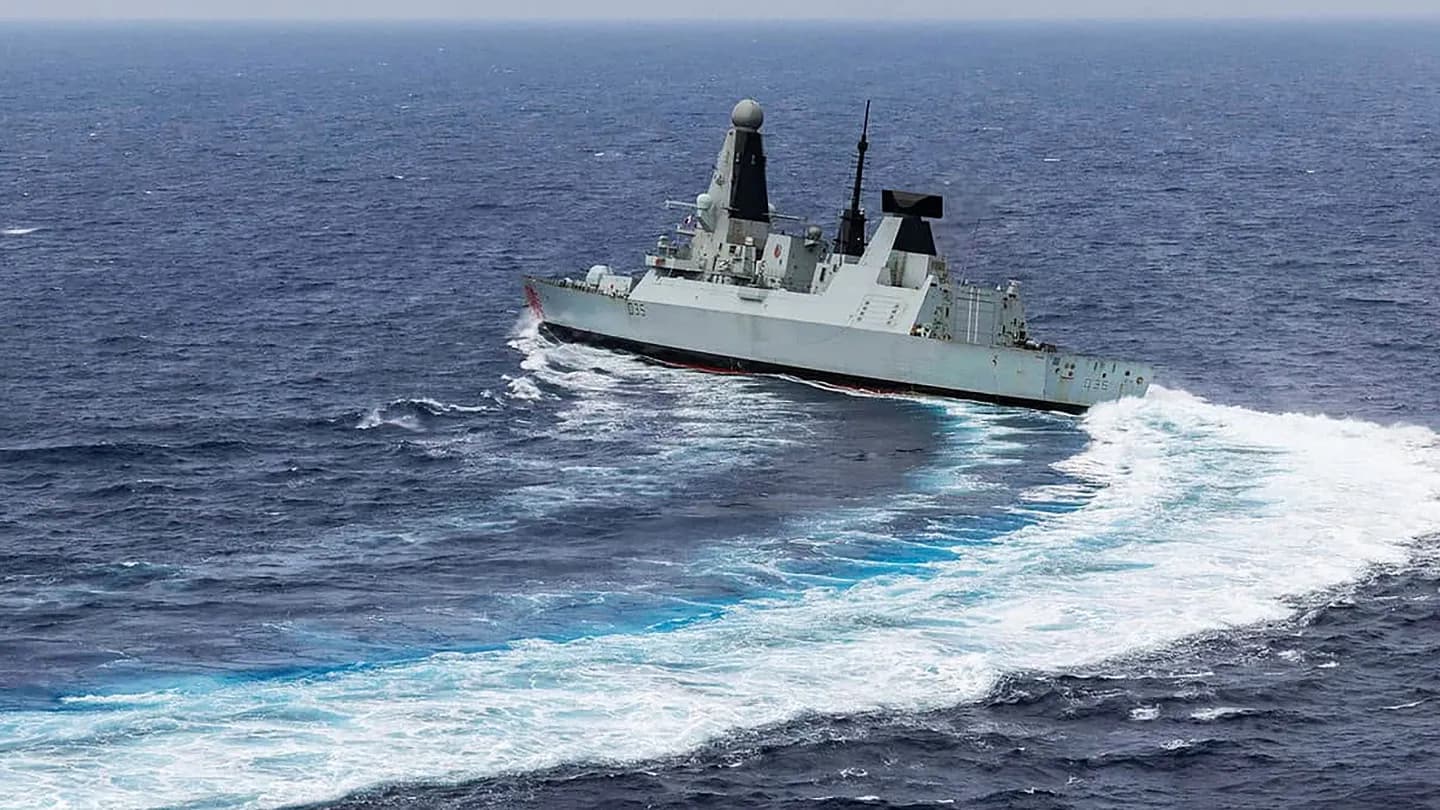
The Type 91 and Type 94 will ultimately be integrated with at least six Common Combat Vessels to form a networked maritime air defence system. These crewed Common Combat Vessels, expected to enter service in the 2030s, will serve as the 'command hub' of the overall architecture and will eventually assume the air defence role currently performed by the Type 45 destroyers.
This maritime air defence system and the Common Combat Vessel programme replace the previously planned Type 83 destroyer. The Type 83 had been scheduled to replace the Type 45 in the late 2030s, but its prospects had already dimmed as naval leadership grew increasingly interested in 'arsenal ship' concepts such as the Type 91.
The Defence Investment Plan also references a Hybrid Carrier Air Wing. Under the latest plans, Project Pantheon will lead development of the Hybrid Carrier Air Wing and will include collaborative testing of unmanned jet-powered aircraft alongside F-35Bs. The Royal Navy had previously set out its ambitions to operate catapult-assisted take-off, barrier-arrested recovery (CATOBAR) drones from UK carriers under Project Ark Royal. Development of large fixed-wing unmanned aircraft also continues under Project Vixen.
The Royal Marines are also included in the investment plan, with commitments to receive "new high-speed craft and the latest drone and autonomous technologies."
On nuclear deterrence, the government has committed over £63 billion (approximately $83 billion) over the next four years for the four Dreadnought-class ballistic missile submarines, the SSN-AUKUS nuclear-powered attack submarine, and new warheads for the UK's Trident submarine-launched ballistic missiles (SLBMs).
British Army
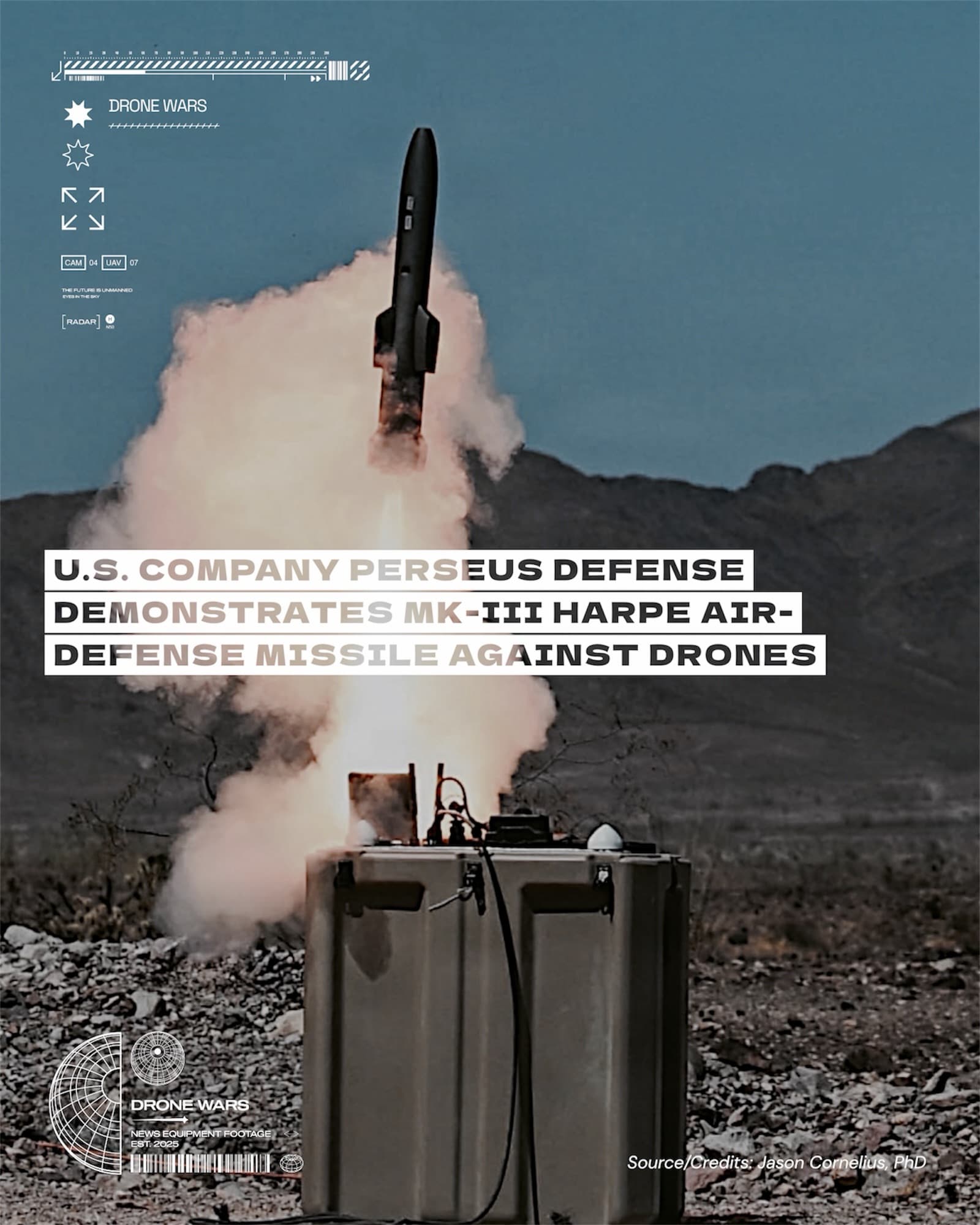
The British Army will benefit from greater investment in 'low-cost attritable autonomous systems and loitering munitions.' Within the next 12 months, the Army's Project Rapstone will receive approximately $66 million in additional funding for the procurement of first-person view (FPV) drones and interceptor drones.
The Army will also launch an as-yet-unnamed Unmanned Ground Vehicle (UGV) programme, aimed at rapidly developing and producing unmanned vehicles and associated mission systems through UK domestic industry.
In terms of air power, Project Nyx will provide the Army with up to 24 autonomous armed drones to operate in a manned-unmanned teaming (MUM-T) configuration alongside the newly upgraded Apache attack helicopters. These drones are planned to achieve operational capability by 2030 and will be equipped with reconnaissance, precision strike, and electronic warfare mission suites.
Project Corvus will replace the Army's troubled Watchkeeper unmanned aircraft system with up to 24 surveillance drones for intelligence, surveillance, target acquisition, and reconnaissance (ISTAR) missions.
Royal Air Force
The Royal Air Force features fewer headline announcements in this plan than the other services, but has secured approximately $10.6 billion over the next four years for the Global Combat Air Programme (GCAP) — the joint next-generation stealth fighter being developed with Japan and Italy.
More notably, the Defence Investment Plan references a new 'National Collaborative Combat Air programme', which appears set to replace several earlier loyal wingman-type initiatives. The programme aims to develop 'new autonomous combat aircraft capable of flying alongside crewed fighters,' with a technology demonstrator expected to fly no later than 2030.
Within the nuclear deterrence budget, the Royal Air Force will also receive 12 F-35As equipped with the US B61-12 tactical nuclear bomb for NATO nuclear sharing missions.
Finally, the Storm Shroud electronic warfare drone system will enter formal service this year, equipped with the Leonardo BriteStorm stand-in jammer and having completed multiple exercise trials.
Cuts and Future Risks
All three services will also benefit from a programme to boost ammunition and weapons stockpiles. The UK will invest £11 billion (approximately $14.5 billion) to expand inventories, encompassing long-range strike weapons, low-cost cruise missiles, and one-way attack munitions, with plans to build at least six new munitions factories by 2030.
However, the plan also comes with a degree of cuts. The government announced the phasing out of the Storm Shadow air-launched cruise missile — many of which have already been transferred to Ukraine — stating that "we are transitioning to next-generation low-cost cruise missiles." More than 30 Wildcat helicopters, the oldest Chinooks (Mk 6A variant), and a satellite communications upgrade programme will also be retired.
Overall, Starmer's drone-centric Defence Investment Plan demonstrates considerable ambition and boldness, but carries substantial development risk, involving numerous concepts that remain unproven in practice. Tense negotiations between the Ministry of Defence and HM Treasury ahead of the announcement led to the resignation of former Defence Secretary John Healey earlier this month. Starmer subsequently added £1 billion (approximately $1.3 billion) in an attempt to quell criticism, though Healey was reportedly seeking an increase closer to £18 billion.
原文來源: 查看原文
FAQ
Newsletter
Subscribe to our Low-Altitude Industry Newsletter
Daily curated news on low-altitude economy and drone industry, delivered to your inbox.