Russia Deploys Anti-Drone Netting Near Putin's Valdai Residence
Anti-drone protective netting — widely used on the Ukraine battlefield — has been spotted installed near Russian President Vladimir Putin's residence in the Valdai district of the Novgorod region. The development signals that drone threats have expanded from the front lines into Russia's core political zones, prompting security upgrades at the presidential retreat.

Highlights
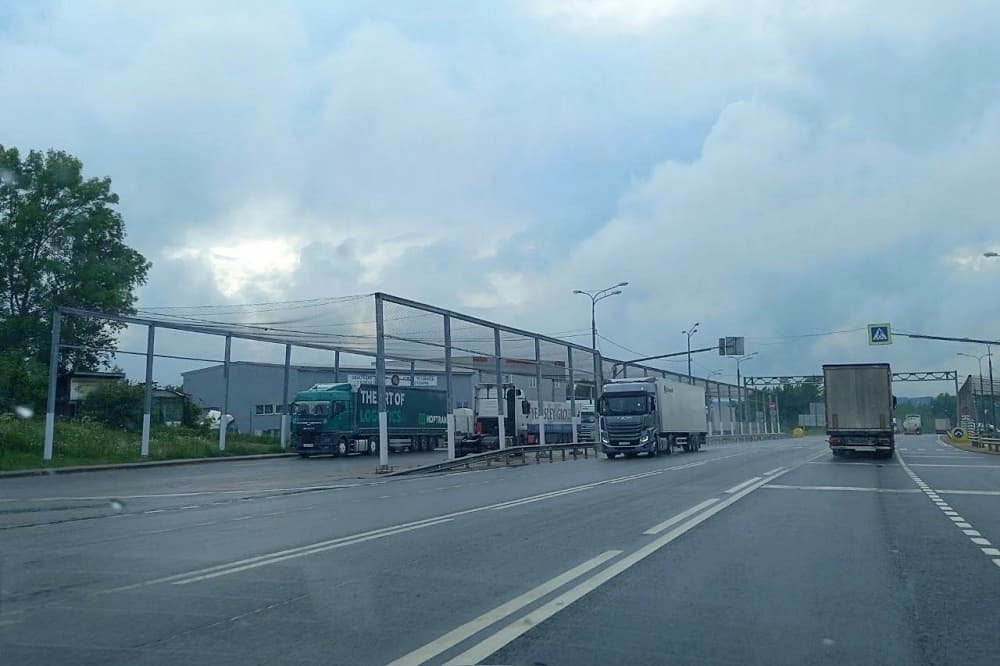
- Anti-drone mesh netting has been photographed at Putin's residence in the Valdai district, Novgorod region, marking one of the first confirmed deployments of battlefield passive drone defenses at a Russian presidential site.
- Journalist Oleg Kashin published the reader-submitted images on Telegram on Tuesday; independent outlet Meduza corroborated the deployment.
- The same netting technology has been widely used by both sides in the Russia-Ukraine war to protect military vehicles, ammunition depots, and command posts.
- Ukraine's sustained drone campaign against Russian territory — including strikes near Moscow — has driven Russia to extend counter-drone defenses from the front lines to domestic political zones.
- Modified consumer-grade drones can function as attack weapons, rendering traditional security perimeters inadequate and accelerating demand for passive counter-drone solutions.
Anti-Drone Netting Appears Near Putin's Residence
Anti-drone protective netting systems, widely deployed on the battlefields of Ukraine, have been spotted near Russian President Vladimir Putin's residence in the Valdai district of the Novgorod region.
On Tuesday, journalist Oleg Kashin published photographs on Telegram showing mesh structures covering a truck parking area, stating the images had been submitted by readers. Independent outlet Meduza reported that the images clearly show the netting installed over the relevant facilities.
Battlefield Technology Repurposed for VIP Protection
Anti-drone netting is a passive defense measure that involves erecting mesh barriers above critical facilities to prevent small drones from conducting direct strikes or reconnaissance. The technology has been extensively adopted by both sides in the Russia-Ukraine war to protect military vehicles, ammunition depots, and command posts.
The appearance of such protective measures around Putin's private residence reflects heightened Russian official awareness of the drone threat. As Ukraine continues to launch drone attacks on Russian territory — with multiple cities including Moscow having already experienced strikes — deploying this type of defensive infrastructure at the residences of key political figures is widely regarded as a rational security upgrade.
Drone Threat Continues to Escalate
The incident once again underscores the profound impact of drone technology on modern security frameworks. From frontline combat to the heart of political power, counter-drone defense has become a security priority that no nation can afford to overlook. Small consumer-grade drones, once modified, can be converted into attack weapons, posing unprecedented challenges to traditional security systems.
原文來源: 查看原文
FAQ
Newsletter
Subscribe to our Low-Altitude Industry Newsletter
Daily curated news on low-altitude economy and drone industry, delivered to your inbox.