NATO Allies Seek to Loosen Drone Engagement Rules Before Ankara Summit, Granting SACEUR Greater Autonomous Authority
NATO allies plan to grant Supreme Allied Commander Europe (SACEUR) General Alexus Grynkewich expanded authority to intercept intruding drones and reposition air-defense assets without requiring individual member-state approvals — a reform driven by persistent airspace violations along NATO's eastern flank since September 2025, culminating in the May 29, 2026 Geran-2 drone strike on a Galați apartment building that left two Romanian civilians injured.

Highlights
- NATO allies plan to formally grant SACEUR General Alexus Grynkewich authority to shoot down intruding drones and reposition air-defense assets without individual member-state approval at the July 7–8 Ankara summit.
- A Geran-2 (Shahed-136) drone struck a Galați, Romania apartment on May 29, 2026, injuring two civilians — the first casualties on NATO territory from a drone incursion since eastern-flank violations began in September 2025.
- Since September 2025, NATO's eastern flank has recorded dozens of airspace violations, prompting Poland to invoke Article 4 and NATO to launch Operation Eastern Sentry; Polish F-16s and Dutch F-35s downed at least three Russian drones.
- NATO intercepted Iranian ballistic missiles over Turkey on four occasions (March 4, 9, 13, and 30, 2026), reinforcing the case for integrating ballistic missile defense into standing air-defense patrol missions — the second pillar of the Ankara proposal.
- NATO Secretary General Rutte identified the core economic unsustainability: a $1,000–$2,000 drone can force a $500,000–$1,000,000 missile response, a cost-exchange ratio no defense budget can sustain over a prolonged campaign.
NATO Moves to Grant SACEUR Expanded Air-Defense Autonomy Ahead of Ankara Summit
NATO allies are preparing to grant the Supreme Allied Commander Europe (SACEUR) significantly broader authority to shoot down intruding drones without requiring formal approval from each individual member state — a change expected to be formally adopted at the leaders' summit in Ankara, Turkey on July 7–8. Two NATO diplomats and one alliance official disclosed the proposal to Politico.
Under the proposal, General Alexus Grynkewich would gain the flexibility to reposition air-defense assets across member states and set readiness levels for military equipment without waiting for authorization from individual national capitals. Currently, each member state retains full sovereign control over how and where its own weapons are used — a constraint commanders say has severely slowed response times. The proposal also integrates NATO's ballistic missile defense systems into a broader air-defense mission framework, supplementing the fighter patrols that currently cover NATO's eastern flank.
Grynkewich: Speed of Decision-Making Must Match the Speed of the Threat
The reform directly targets what NATO insiders call "national caveats" — country-specific restrictions on how a nation's forces may be deployed and employed under NATO command. These rules, accumulated over decades, create a patchwork of limitations that leave commanders unable to respond to threats that appear and disappear within minutes.
Grynkewich is the central figure in this debate. The U.S. Air Force general, callsign "Grynch," assumed the role of the 21st SACEUR on July 4, 2025, succeeding Army General Christopher Cavoli. A former F-16 and F-22 pilot, Grynkewich previously served as Commander of U.S. Air Forces Central Command and as Director of Operations for the Joint Chiefs of Staff. He is based in Mons, Belgium. Earlier this year he presented a case to all 32 NATO ambassadors for greater operational flexibility. One NATO official put it bluntly: "When countries have a drone in their airspace, they turn to NATO for help — but NATO also needs countries to drop their caveats and do their part."
Grynkewich formally confirmed the broader reform effort during testimony before the U.S. Senate Armed Services Committee on March 12, 2026, stating that NATO "is rewriting the alliance's integrated air and missile defense standing defense plans for the first time in decades, with completion expected this summer" — a timeline that aligns precisely with the Ankara summit.
Eastern Flank Airspace Violations: A Cascade Since September 2025
The push for new authority stems directly from a wave of airspace incursions that began in early September 2025 and have not stopped. Drones account for the majority of incidents, but armed Russian military aircraft and unidentified flying objects that forced civilian airport closures have added to an escalating total across Poland, the Baltic states, Romania, and Scandinavia.
The initial shock came on the night of September 9–10, 2025, when Polish Presidential Adviser Marcin Przydacz reported 21 drones crossing into Polish airspace, most from the direction of Belarus; Poland's report to the UN Security Council documented 19 violations. Polish F-16s and Dutch F-35s shot down at least three; Prime Minister Donald Tusk said four were downed in total. It was the first time a NATO member state had fired on Russian assets since Russia's 2022 invasion of Ukraine. Poland invoked Article 4 of the North Atlantic Treaty. Two days later, NATO launched Operation Eastern Sentry to reinforce eastern flank defenses.
Estonia's incident was qualitatively different — it involved armed combat aircraft, not cheap drones. Three Russian MiG-31s flew for approximately 12 minutes near Vaindloo Island without a filed flight plan or active transponders, triggering a second Article 4 invocation within two weeks.
The Scandinavian dimension proved more complicated. Denmark declared a nationwide civilian drone ban during an EU summit, and authorities later acknowledged that several high-profile "drone" sightings turned out to be conventional manned aircraft — illustrating how panic and genuine threat have become difficult to distinguish.
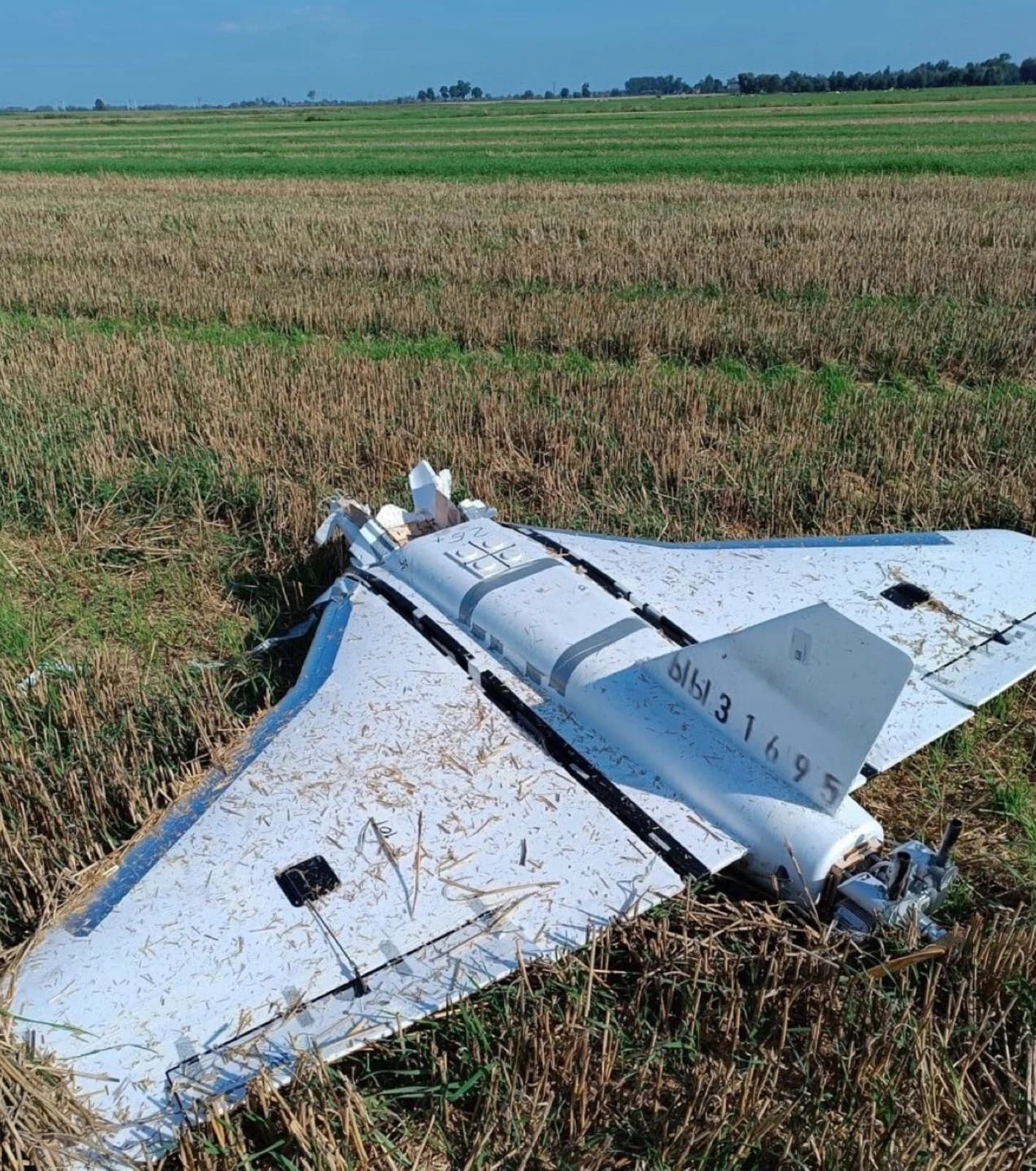
The most recent escalation moved from property damage to human casualties. On May 29, 2026, a Geran-2 drone (the Russian-manufactured Shahed-136) struck an apartment building in Galați, Romania, approximately four minutes after entering Romanian airspace. Romanian Defence Minister Radu Miruță confirmed the drone type. Two residents were injured — a 53-year-old woman suffered first-degree burns and her 14-year-old son was treated for suspected acute stress reaction — marking the first time an incursion has caused casualties on NATO territory. According to NBC News, the drone was one of 232 launched by Russia toward Ukraine that night, alongside ballistic missiles. Bucharest subsequently expelled the Russian consul in Constanța and closed that consulate.
National Caveats: A Problem That Predates the Current Crisis
National caveats — restrictions member states impose on how their forces may be deployed and used under NATO command — are political tools, not military ones, and have frustrated alliance commanders for decades. The clearest precedent is Afghanistan: NATO's International Security Assistance Force (ISAF) operated for over a decade under dozens of national caveats limiting which troops could fight, where, and under what rules of engagement. Defense officials complained the restrictions made command "unnecessarily complicated." The same critique now applies to the skies over Eastern Europe.
A senior NATO diplomat told The Telegraph in October 2025 that the restrictions amount to a patchwork of rules: "We all need to take a hard look at whether these caveats still make sense."
Grynkewich has described the tactical reality in plain language: "Shooting down a drone that enters airspace is a relatively easier decision to make. But we still have to consider: where it is, what is below it when we shoot it down, the risk to surrounding residents, and what it is threatening." He also noted that the escalation calculus is different for manned aircraft. NATO Secretary General Mark Rutte has endorsed the principle that allies may engage Russian aircraft that pose a threat, while emphasizing that when intruders are not threatening, the alliance still prefers escort-and-expulsion over shootdown.
Iran Missile Intercepts Added Urgency to the Reform Push
Allies had been discussing relaxing these restrictions at least since October 2025. Iran's ballistic missile launches toward Turkey earlier this year added further urgency to building a unified alliance response, elevating the eastern-flank drone problem into a broader integrated air and missile defense issue.
During the 2026 Iran conflict, NATO air-defense systems intercepted Iranian ballistic missiles transiting Turkish airspace on four separate occasions: March 4, 9, 13, and 30. Following the final intercept, NATO spokesperson Allison Hart stated: "On Monday, March 30, NATO again successfully intercepted an Iranian ballistic missile heading toward Turkey." Debris from the first intercept (March 4) landed near Dörtyol in Hatay Province, approximately 72 kilometers (45 miles) from Incirlik Air Base, with no casualties. NATO subsequently deployed an additional U.S. Patriot missile battery to the Kürecik radar base in Malatya Province; Turkey deployed six F-16s to Northern Cyprus. Iran denied targeting Turkey. The series of intercepts gave allies direct operational experience of the necessity of integrating ballistic missile defense into standing air-defense patrol postures — the second core element of the new proposal.
The Cost-Exchange Problem: A Structural Argument for Faster, Cheaper Defenses
Running through the entire debate is a fundamental economic problem. NATO has been deploying multi-million-dollar fighter aircraft and missiles to shoot down drones costing a few thousand dollars each — a cost-exchange ratio that is unsustainable over any extended campaign.
Rutte stated the imbalance directly: "Using a one- or two-thousand-dollar drone to force you to respond with a half-million or million-dollar missile is not sustainable." EU Defense Commissioner Andrius Kubilius made the same point regarding the EU's planned drone-defense architecture: "Shooting down a €10,000 drone with a €1,000,000 missile simply cannot continue."
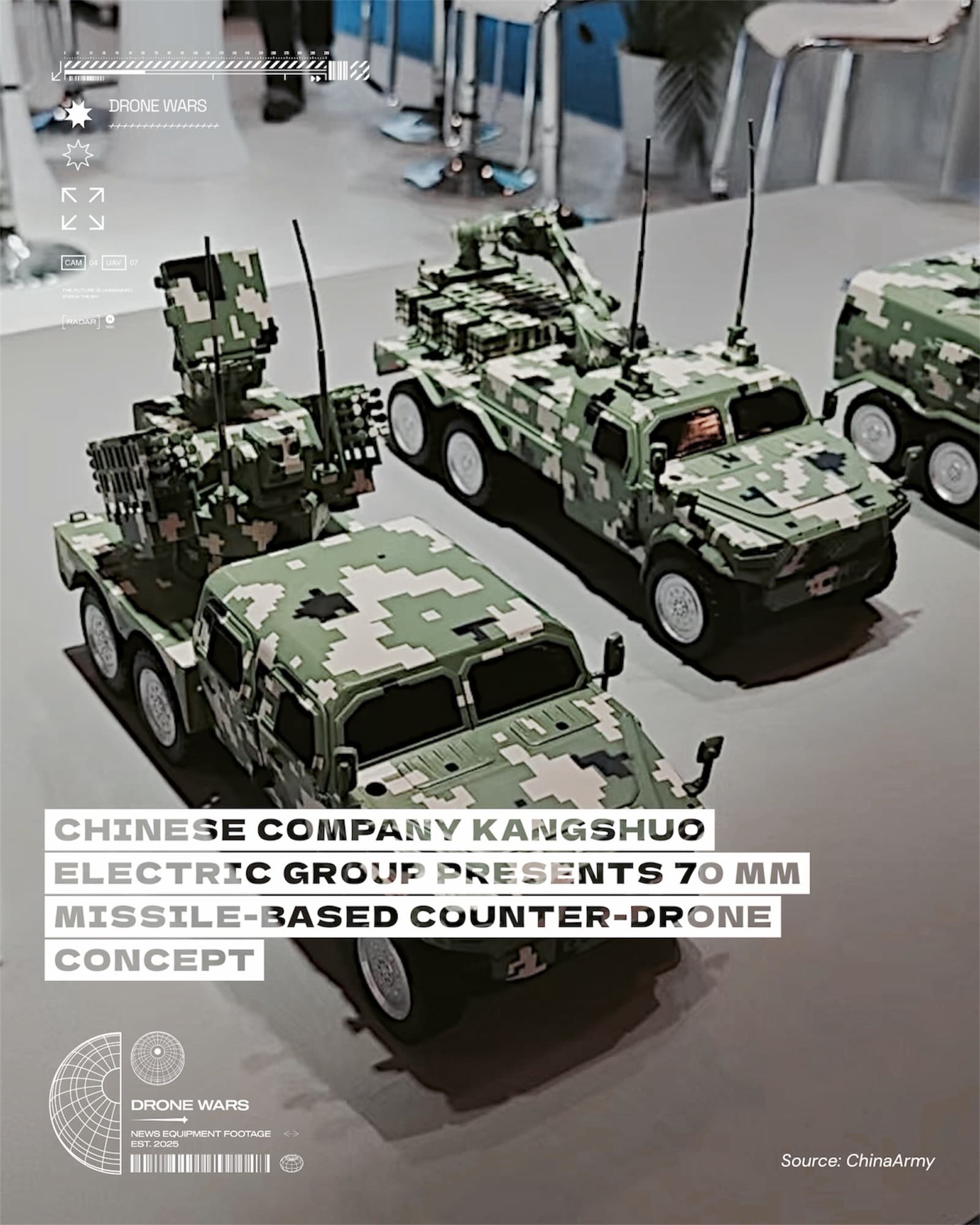
The logic has driven a wave of national development programs — from Poland's multi-layered counter-drone systems to NATO counter-drone exercises over the Baltic — even as the EU's proposed "Continental Drone Shield" remains deadlocked over funding disputes and command-authority rivalries between member states.
DroneXL Analysis
NATO spent the better part of nine months debating who has the authority to pull the trigger on a drone. During the same period, Ukraine manufactured and countered drones at industrial scale under live fire, week after week without pause. The gap between alliance bureaucratic tempo and drone-warfare tempo is the real story here.
The sequence tells its own story: Russian drones first crossing into Poland in September 2025, Operation Eastern Sentry, the half-real panic over Scandinavian airport closures, the EU drone shield stalled by a Franco-German contest for primacy, and then Galați — the first time NATO soil produced human casualties from an incursion. The pattern is consistent: the threat moves at the speed of a cheap aircraft; the alliance responds at the speed of consensus across 32 capitals. Giving Grynkewich greater authority is an honest attempt to close that gap, and on cost-exchange grounds alone the status quo is indefensible.
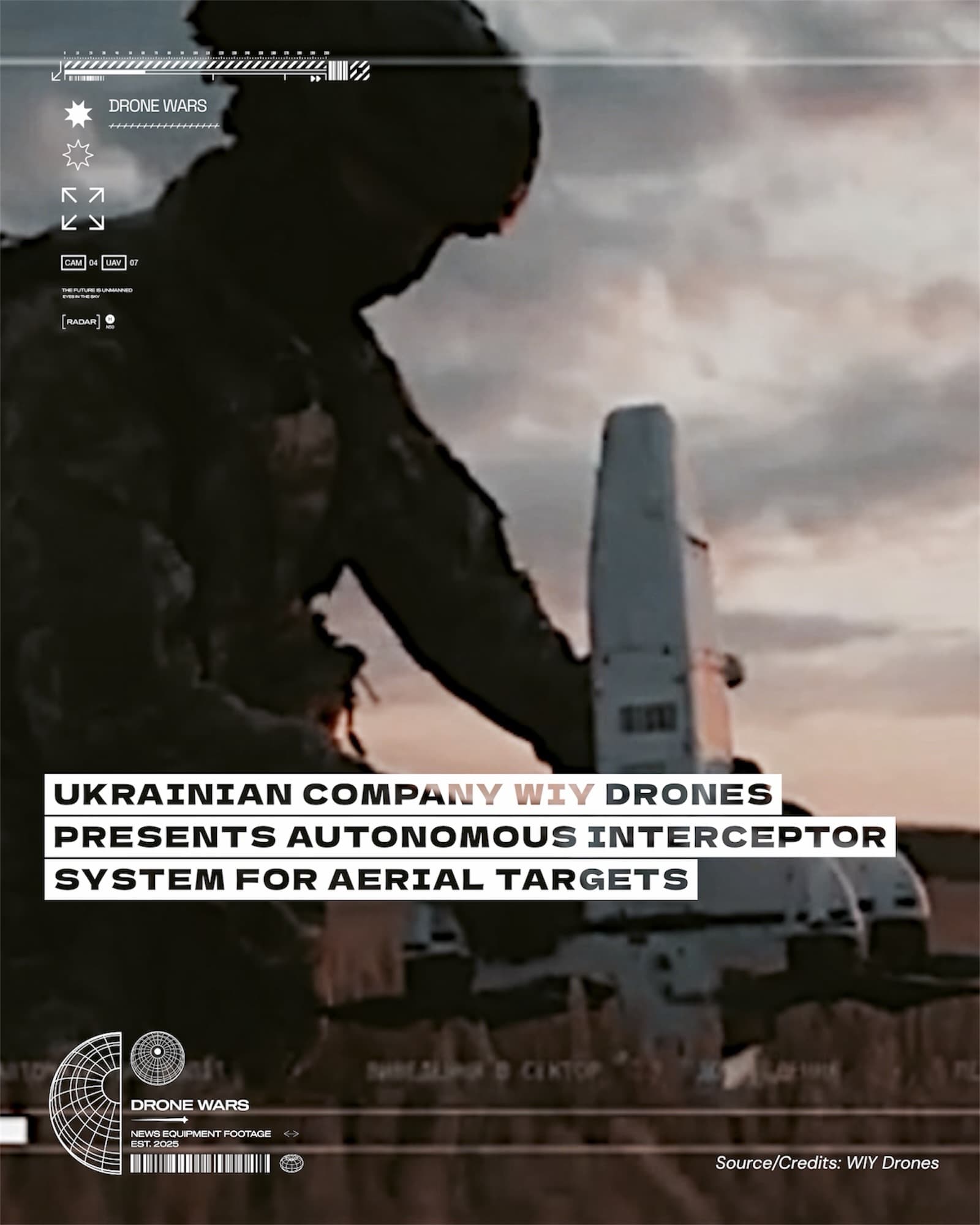
Three things are worth watching: First, does the proposal text actually define rules of engagement for drones crossing from Russian or Belarusian territory, or does it leave that gray area unresolved? Second, do allies genuinely surrender national caveats, or is the language diluted to the point where "greater flexibility" means little in practice? Third, what does the shift from air-defense patrol to air-defense mission mean for counter-drone procurement — and can Europe actually accelerate acquisition of the low-cost interceptors and electronic-warfare systems that Ukraine has already validated in combat?
At the July 7–8 Ankara summit, the test is whether the leaders' joint communiqué actually confers real authority and real funding — or simply restates the problem in stronger language. Drones do not wait for paperwork.
Source: Politico
原文來源: 查看原文
FAQ
Newsletter
Subscribe to our Low-Altitude Industry Newsletter
Daily curated news on low-altitude economy and drone industry, delivered to your inbox.