DTU Develops Autonomous Ship-Based Drone for Automatic Man-Overboard Rescue
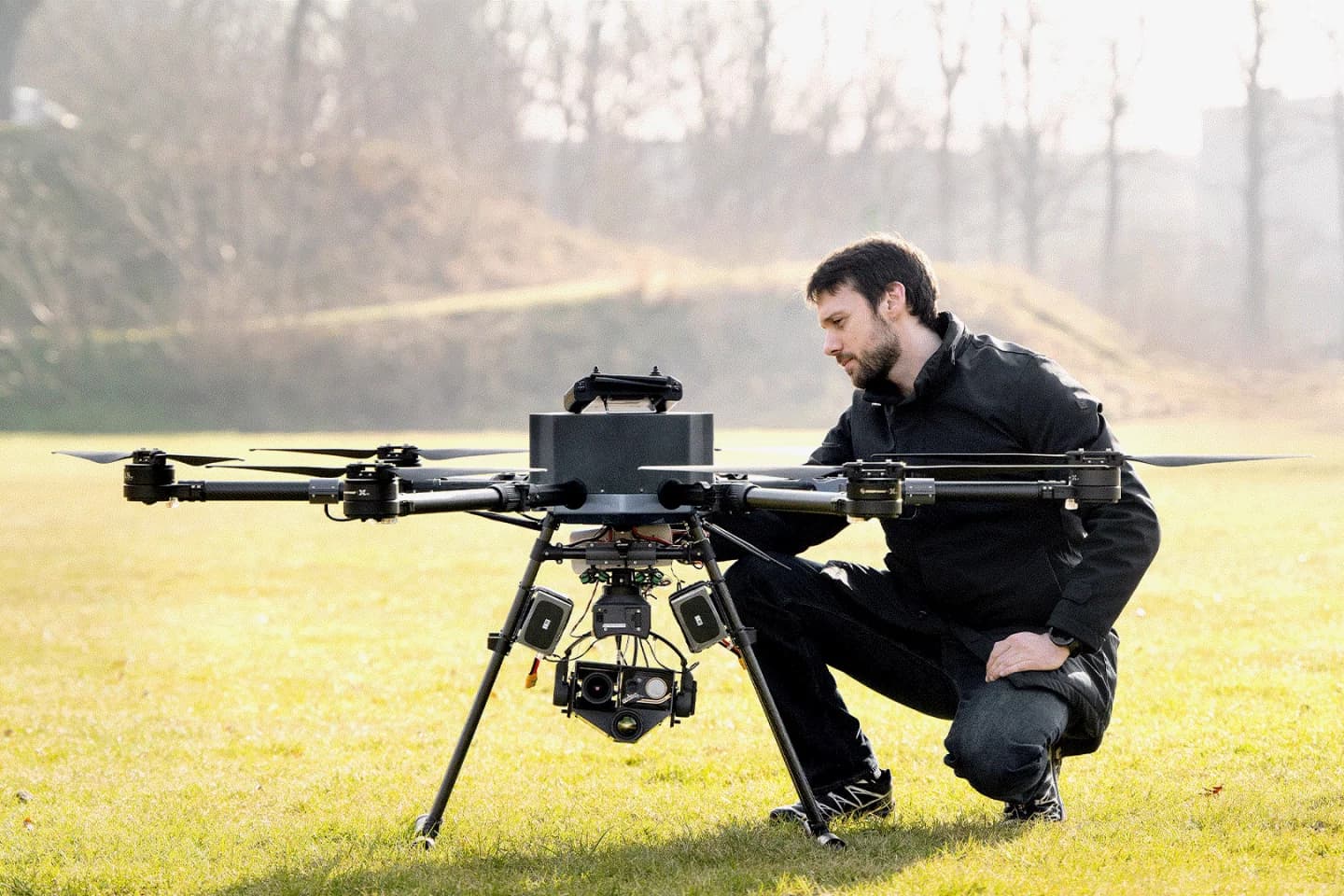
Researchers at the Technical University of Denmark (DTU) are developing an autonomous drone designed to launch automatically from a vessel when a person falls overboard. Using computer vision and AI, the system aims to detect, track, and guide rescue operations without human intervention, potentially cutting response times dramatically and improving survival rates at sea.

Highlights
- DTU researchers are developing a ship-based autonomous drone that launches automatically when a person falls overboard, requiring no human operator input.
- The system combines computer vision, AI autopilot, and autonomous flight to detect, track, and guide rescue efforts in harsh sea and weather conditions.
- The drone is designed to compress man-overboard response time to the minimum, directly improving the survival odds of victims in the water.
- If commercialized, the technology could be deployed on merchant vessels, cruise ships, and coast guard cutters worldwide.
- The project marks a significant advance in drone applications for the maritime sector, addressing a critical gap in conventional rescue procedures.
DTU Develops Autonomous Ship-Based Drone for Automatic Man-Overboard Rescue
"Man overboard!" — three words that trigger a desperate race against time and raging seas. Tragically, the ocean often wins, and the primary reason is the speed of the human response.
Researchers at the Technical University of Denmark (DTU) are working to change that. They are developing a ship-based autonomous drone capable of assisting in maritime rescue operations without any human intervention.
Every Second Counts at Sea
In a man-overboard (MOB) situation, time is the critical variable. Conventional rescue procedures rely on crew members visually spotting the victim, manually raising the alarm, and coordinating a response — a sequence that, on a heaving sea, can mean the difference between life and death.
Autonomous Drone Cuts the Golden Hour Window
The DTU team's drone is designed to take off automatically the moment a person-overboard event is detected, lock on to the target, and guide rescue efforts — all without a human operator at the controls. The goal is to compress response time to the absolute minimum, giving the victim the best possible chance of survival.
By integrating computer vision, AI-driven autopilot, and fully autonomous flight technology, the system is engineered to operate reliably under harsh sea states and adverse weather conditions — precisely the scenarios where conventional rescue methods struggle most.
Looking Ahead
The research represents a significant step forward for drone applications in the maritime sector. If the technology matures and reaches commercialization, merchant vessels, cruise ships, and coast guard cutters could all be equipped with autonomous rescue drone systems, delivering a major boost to safety at sea.
原文來源: 查看原文
FAQ
Newsletter
Subscribe to our Low-Altitude Industry Newsletter
Daily curated news on low-altitude economy and drone industry, delivered to your inbox.