Ukraine's Drone Offensive Forces Putin to Redeploy Pantsir Air Defense Systems from Front Lines to Moscow
Russian President Vladimir Putin has reportedly ordered the redeployment of Pantsir anti-aircraft missile and gun systems from front-line positions to the Moscow region in response to escalating Ukrainian drone attacks. The move is widely interpreted as evidence that Ukraine's drone tactics are placing real pressure on Russia's strategic depth and forcing difficult trade-offs between front-line air defense coverage and protection of the capital.

Highlights
- Putin has ordered Pantsir anti-aircraft missile and gun systems to be withdrawn from front-line positions and redeployed around Moscow in response to Ukraine's drone offensive.
- The Pantsir is a Russian short-range air defense system capable of engaging aircraft, helicopters, cruise missiles, and drones; its removal from the front may create air defense coverage gaps for Russian troops.
- Ukraine's large-scale drone strikes have repeatedly penetrated Russian air defenses and threatened targets deep inside Russian territory, including the capital.
- Military analysts say Ukraine's strategy of using low-cost FPV drones and loitering munitions to attrite high-value Russian air defense assets is proving strategically effective.
- The Russia-Ukraine conflict has become a key global case study in drone warfare, illustrating how inexpensive unmanned systems can force major military powers to fundamentally revise their defense deployments.
Ukraine's Drone Offensive Forces Russia to Redeploy Air Defense Assets
Russian President Vladimir Putin has ordered the withdrawal of a number of front-line air defense systems from active combat zones along the Ukrainian border, redeploying them to the Moscow area to counter the growing threat posed by Ukraine's sustained drone campaign, according to multiple media reports.
Pantsir Systems Repositioned Around the Capital
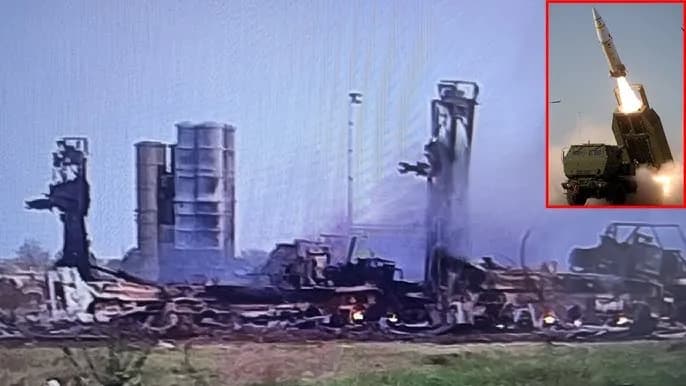
Russia's Pantsir short-range anti-aircraft missile and gun system has been reinstalled at positions around Moscow. Domestically developed, the Pantsir is a key point-defense asset capable of engaging aircraft, helicopters, cruise missiles, and drones simultaneously. Its redeployment to the capital underscores the Kremlin's concern about the vulnerability of Moscow to aerial attack.
Ukraine's Drone Tactics Proving Effective
Ukraine's recent large-scale drone strike campaigns have repeatedly penetrated Russian air defenses, threatening Moscow and other high-value targets deep inside Russian territory. The decision to pull front-line air defense assets back to the capital highlights the strategic dilemma Russia now faces: balancing the protection of front-line troops against the need to shield its own cities and critical infrastructure.
Military analysts note that withdrawing air defense systems from the front could create coverage gaps that benefit Ukrainian forces on the battlefield. The move also reflects the effectiveness of Ukraine's strategy of using low-cost drones to attrite expensive, high-value air defense platforms — a classic asymmetric attrition approach.
Drones Reshaping the Landscape of Modern Warfare
The Russia-Ukraine conflict has become a landmark case study in the operational use of drones in modern warfare. Ukraine has deployed large numbers of FPV (first-person view) attack drones and loitering munitions — so-called "kamikaze" drones — not only to inflict attrition on Russian front-line forces, but also to strike deep into Russian territory, compelling Moscow to continuously reconfigure its air defense posture.
Putin's decision to prioritize the defense of the capital once again highlights the pivotal role drones now play in asymmetric warfare, and the far-reaching strategic implications that low-cost unmanned systems carry for conventional military powers.
原文來源: 查看原文
FAQ
Newsletter
Subscribe to our Low-Altitude Industry Newsletter
Daily curated news on low-altitude economy and drone industry, delivered to your inbox.