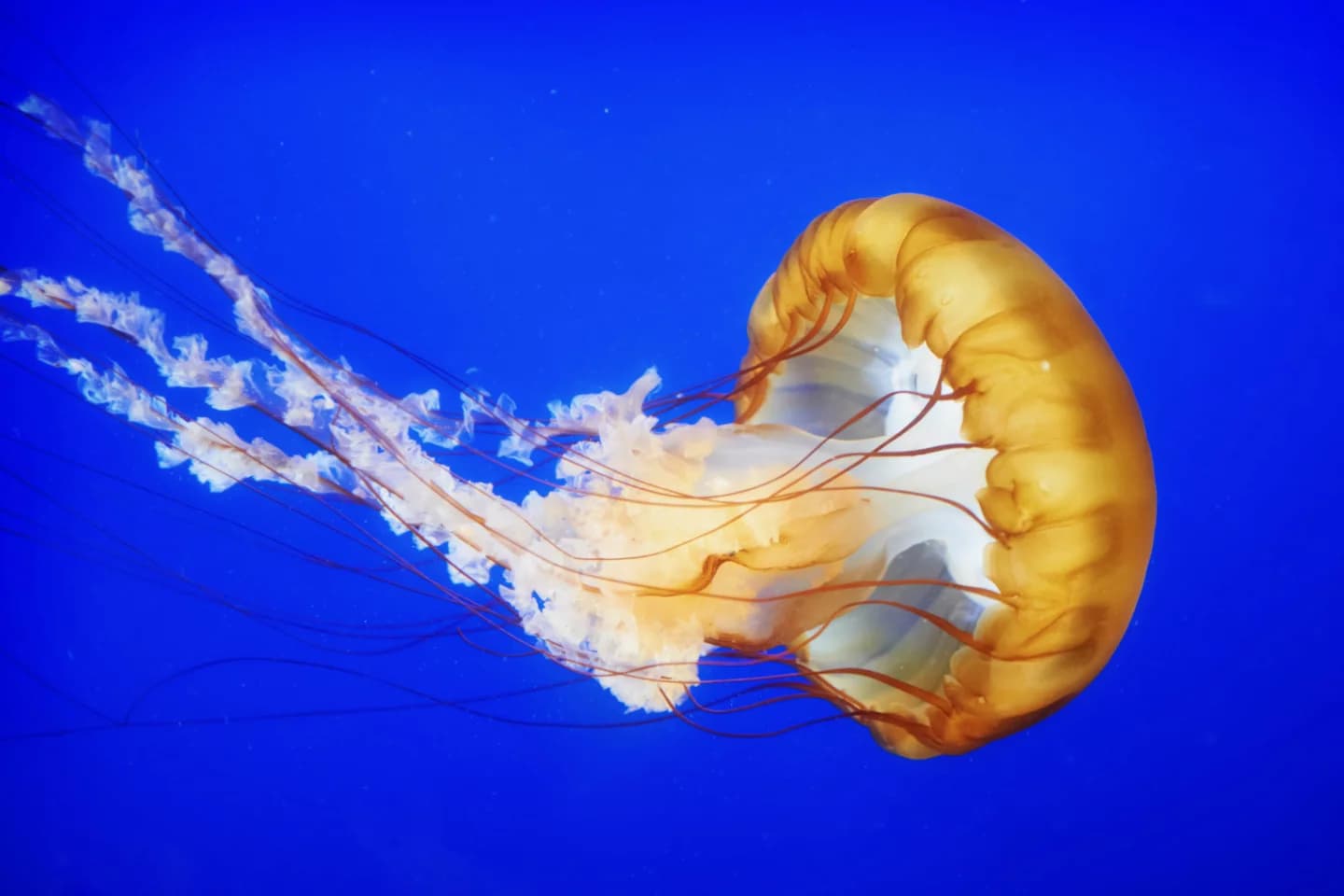
西班牙研發電磁浮標驅除水母,海灘戲水安全再升級
西班牙瓦倫西亞理工大學(UPV)與阿利坎特大學研究團隊共同開發創新電磁浮標技術,透過電磁波對水母產生麻痺作用,有效阻止水母進入游泳區域。相比傳統物理攔截網或化學驅除方式,該技術更加環保且對海洋生態干擾較小。受全球氣候變遷與海洋環境變化影響,水母數量顯著增加,對海灘遊客安全構成威脅。該研究針對地中海沿岸夏季常見的水母入侵問題提出具體解決方案,目前仍在持續研發階段。
西班牙兩所大學聯手開發電磁浮標技術,利用電磁波麻痺水母,有效保護游泳者免於螫傷,為海灘安全提供創新解決方案。
重點速覽
- UPV與阿利坎特大學合開電磁浮標,運用電磁波麻痺水母阻止靠近
- 相較傳統網具與化學驅除,電磁技術更環保且對海洋生態干擾最小
- 氣候變遷導致全球水母數量增加,地中海沿岸尤其面臨季節性入侵威脅
- 技術仍在研發階段,研究團隊計劃未來部署至各大海灘
- 該系統旨在創造更安心的海洋休閒環境,減少螫傷事故
文章重點
- 瓦倫西亞理工大學(UPV)與阿利坎特大學合作,開發出可麻痺水母的電磁防護浮標。
- 浮標利用電磁波阻止水母進入海灘游泳區,有效降低戲水者遭螫傷的風險。
- 相較於傳統攔截網或化學驅除法,電磁技術對海洋生態干擾較小,更具環保優勢。
- 氣候變遷導致地中海沿岸水母數量近年顯著增加,促使研究團隊積極尋求科技解決方案。
- 該技術目前仍在研發階段,尚未正式部署於實際海灘環境。
創新電磁技術解決海灘水母困境
每年暑假,水母螫傷事件都是海灘遊客面臨的常見安全隱患。西班牙瓦倫西亞理工大學(Universitat Politècnica de València,UPV)與阿利坎特大學(University of Alicante)的研究團隊,近日宣布開發出一款防水母電磁浮標系統,這項創新技術有望為全球海灘遊客帶來更安全的戲水體驗。
電磁麻痺原理領先於傳統防護
該浮標系統的核心創新在於運用電磁波技術。當水母靠近游泳區域時,浮標發出的電磁波會對水母產生麻痺效應,使其無法游向海灘。相較於過往採用的物理攔截網(容易阻擋海洋生物迴游)或化學驅除劑(會污染海洋環境),電磁技術優勢明顯——不僅環保程度更高,對海洋生態的整體干擾也相對最小化,符合現代海洋保護的理念。
全球水母數量激增的背景
近年來,受氣候變遷與海洋環境變化的影響,全球多處海岸線的水母數量出現顯著增長。特別是地中海地區,每年夏季都會遭遇大規模水母入侵,對當地旅遊業與遊客安全造成實質衝擊。某些受歡迎的海灘甚至被迫臨時關閉,以保護遊客安全。UPV與阿利坎特大學的研究團隊正是因應這一全球趨勢,針對地中海沿岸夏季水母高峰期,提出這項具有實用性的科技解決方案。
後續部署與產業化展望
目前該電磁浮標技術仍在持續研發與實驗驗證階段。研究團隊計劃在技術成熟後,逐步將此浮標系統部署至地中海沿岸乃至全球其他高風險海灘,為游泳者打造更安心的海洋休閒環境。一旦商用化,這套系統有望成為海灘管理機構的標準防護裝備,從根本上改善水母螫傷帶來的公共衛生問題。
對台灣業者的意義
台灣四面環海,夏季海灘戲水人口眾多,水母螫傷事故每年都有零星報告,特別是南台灣海域。若該電磁浮標技術商用化,台灣海灘管理機構(如觀光局、地方政府)可評估導入,特別是知名度假海灘如墾丁、澎湖等。此外,台灣水產養殖與海洋科技廠商若能取得技術授權或代理權,有機會開發在地化版本,應對台灣特定海域的水母物種。同時,台灣無人機業者可結合遠程監測功能,將浮標與無人機巡檢系統整合,實現智能海灘安全管理方案。
常見問題
本文由 LAETimes 編輯部審核發佈 ·