美軍特戰司令部徵求超長程巡飛彈 射程擬超越現役SOPGM系列
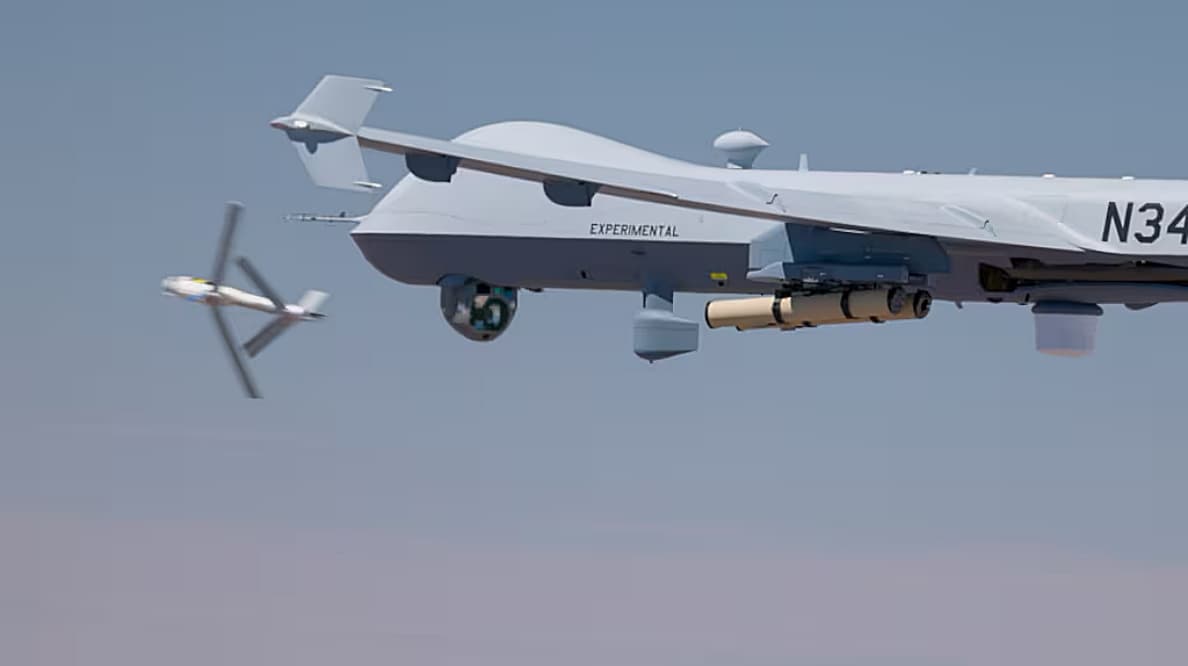
美國特種作戰司令部(SOCOM)於6月26日發布資訊徵詢公告,尋求開發小型但具備長航程能力的空射巡飛彈。新系統要求射程與整體性能須超越現役的遠距精確導引彈藥(SOPGM)系列。巡飛彈兼具無人機的滯空偵察與傳統飛彈的毀傷效果,近年在現代衝突中展現顯著作戰價值。此舉反映美軍特戰部隊積極評估下一代精確打擊方案,廠商回覆截止日期為7月27日。
美國特種作戰司令部發布資訊徵詢,尋求開發小型長航程空射巡飛彈,要求性能超越現役遠距精確導引彈藥系列,廠商回覆期限為7月27日。
重點速覽
- SOCOM於6月26日發布RFI,徵求空射巡飛彈開發方案
- 新系統須超越現役SOPGM系列射程與整體能力
- 強調小型化設計與長航程兼具的精確打擊能力
- 廠商回覆截止日期為2026年7月27日
- 預示美軍特戰部隊擴大精確打擊能力與任務彈性
文章重點
- 美國特種作戰司令部(SOCOM)於2024年6月26日發布資訊徵詢(RFI),尋求開發新型空射長程徘徊彈藥。
- 新系統要求射程與能力須超越現有SOPGM(遠距精確導引彈藥)系列,並採用空射方式部署。
- 廠商提交技術回覆的截止日期為2024年7月27日。
- 此計畫反映美軍特種作戰部隊積極強化縱深精確打擊能力的戰略需求。
美軍特戰司令部展開新一代巡飛彈徵求
美國特種作戰司令部(SOCOM)於6月26日正式發布資訊徵詢公告(RFI),面向國防工業界徵求小型且長航程的空射巡飛彈解決方案。根據公告,此計畫目標為開發一種空射徘徊彈藥,性能指標須顯著超越現役的遠距精確導引彈藥(SOPGM)系列,廠商提交技術回覆的截止日期為2026年7月27日。
巡飛彈的戰術優勢
巡飛彈(Loitering Munition,亦稱神風無人機)係一種融合無人機與飛彈特性的精確打擊武器。其獨特之處在於能在目標區域上空長時間盤旋待機,持續進行偵察與目標確認,待攻擊時機成熟時才執行俯衝攻擊,兼具無人機的靈活性與傳統飛彈的毀傷力。近年烏克蘭、阿塞拜疆等現代衝突中,巡飛彈如Shahed-136等型號已展現出高度的作戰效益,成為各軍隊重點關注的武器系統。
SOCOM的新需求背景
SOCOM此次特別強調新系統必須採用空射部署方式,並明確要求射程與整體能力須優於現役SOPGM系列。此舉反映美國特種作戰部隊正尋求進一步擴大打擊縱深、提升任務執行彈性。特別是對於需要跨界作戰、遠距精確打擊的特戰任務而言,小型化卻具長航程的巡飛彈能提供兼具隱蔽性與威懾力的新選項。
產業參與機遇
SOCOM的RFI發布通常是美國國防採購的先聲。此公告明確向國防承包商、無人系統開發者與彈藥製造商敞開大門,徵求技術可行性資訊。具備小型化設計、長航程動力系統、高精度導航與通訊系統的企業,將有機會在後續的正式招標程序中脫穎而出。
目前公告中的技術細節仍有限,預計完整的需求規格、性能指標與採購時程,將在正式招標文件(Request For Proposal,RFP)中進一步揭露。業界普遍預期,這將成為2027年至2030年間美國特戰部隊現代化的重要採購項目之一。
對台灣業者的意義
此項採購對台灣無人機生態的影響主要在供應鏈層面。國內相關零組件廠商(如精密機構、慣性量測、通訊模組製造商)若具備國防認證資格,可透過美國主承包商的供應鏈進入此計畫。另一方面,台灣無人機服務業者雖無直接參與軍事採購機會,但此次需求公告反映全球巡飛彈技術的發展方向,對長航程、小型化設計的關注,間接影響民用長航程無人機的技術演進與市場應用開發思路。
常見問題
Newsletter
訂閱低空產業電子報
每日精選低空經濟與無人機產業新聞,直送您的信箱。
本文由 LAETimes 編輯部審核發佈 ·