BAE Systems Tests Radiation-Hardened 45nm Chip to Boost Strategic Space Mission Survivability
BAE Systems has announced that its Endura system-on-chip (SoC) processor has successfully passed strategic-level radiation-hardened testing, validating its ability to operate in extreme radiation environments. Built on RH45nm technology using GlobalFoundries' New York commercial fabrication platform, the chip targets high-reliability satellite and spacecraft missions. Software Development Units are now available for order.

Highlights
- BAE Systems' Endura SoC has successfully passed strategic-level radiation-hardened testing, confirming operation in extreme radiation environments where commercial processors would fail.
- The processor is built on BAE Systems' proprietary RH45nm technology using GlobalFoundries' commercial 45nm Silicon-on-Insulator platform in New York State.
- Endura SoC integrates general-purpose processing, FPGA fabric, secure boot, and L1/L2 cache, targeting both Class A high-reliability and lower-cost Class C/D space missions.
- Production is conducted at BAE Systems' Manassas, Virginia facility, certified by the U.S. DoD as a Trusted Source Category 1A microelectronics supplier.
- Software Development Units for the Endura SoC are now available for order, enabling early-stage software development for satellite and spacecraft applications.
BAE Systems Tests Radiation-Hardened 45nm Chip to Boost Strategic Space Mission Survivability
BAE Systems has announced that its Endura system-on-chip (SoC) processor has successfully completed strategic-level radiation-hardened testing, confirming its ability to operate continuously in both natural space radiation environments and the extreme radiation conditions associated with strategic missions — marking a significant step forward in the resilience of space electronics.
The company stated that the Endura SoC passed strategic-level radiation-hardness verification, confirming stable operation in environments where conventional commercial processors would likely fail due to radiation-induced faults.
Engineered for the Space Environment
The Endura SoC is built on BAE Systems' proprietary radiation-hardened 45-nanometer (RH45nm) process technology, designed specifically for satellites and other spacecraft that require high reliability while meeting strict size, weight, and power (SWaP) constraints.
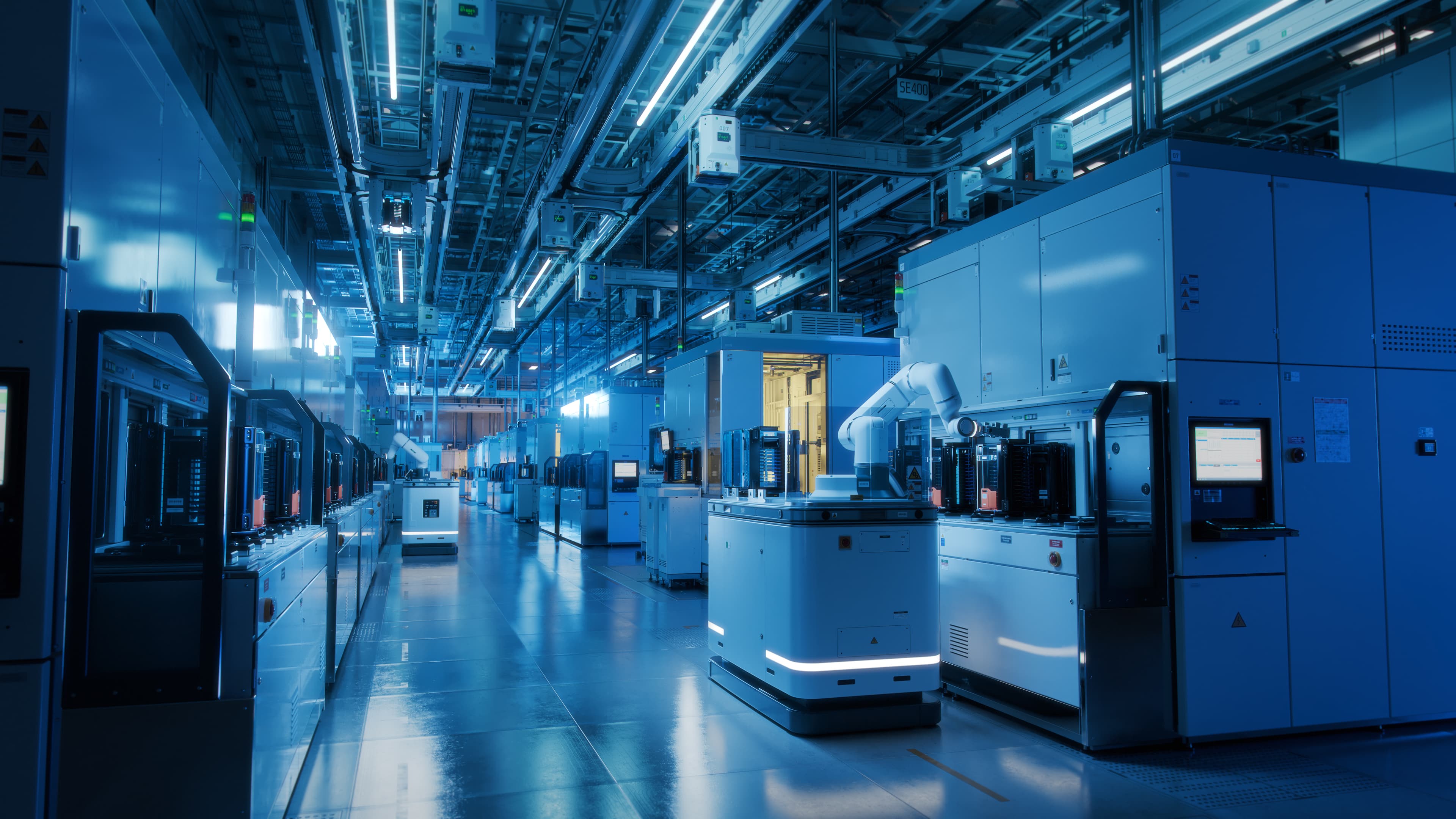
The technology is based on GlobalFoundries' commercial 45nm Silicon-on-Insulator (SOI) manufacturing platform located in New York State, supporting the secure domestic production capacity required for aerospace and defense applications.
"This milestone establishes the Endura SoC as a leading high-performance processor for the space domain," said Joe Dziezynski, Director of Space Systems product lines at BAE Systems. "Leveraging commercial foundry technology, Endura delivers a smaller, lower-power, and more cost-effective solution for missions that must survive in harsh radiation environments."
Space electronics are continually exposed to radiation from solar activity and cosmic rays, which can cause circuit damage, memory corruption, and processor anomalies. Radiation-hardened chips are specially engineered to continue operating under such conditions, making them critical for satellites, military spacecraft, and deep-space missions.
Unlike standard commercial processors, radiation-hardened chips resist Single-Event Upsets (SEUs) and accumulated radiation damage, ensuring the stability of onboard computing systems — a particularly vital characteristic during long-duration missions where damaged hardware cannot be repaired.
BAE Systems noted that the latest testing also validated the RH45nm technology's ability to enhance the survivability of other space electronics, including single-board computers.
The Endura SoC integrates general-purpose processing, network connectivity, secure boot functionality, and Level 1 and Level 2 cache memory. It also incorporates Field-Programmable Gate Array (FPGA) fabric that can be configured for mission-specific computing requirements while accelerating data input and output performance.
Advancing Space Computing Performance
"GlobalFoundries' facility in Malta, New York is a cornerstone of trusted semiconductor manufacturing in the United States, providing secure, domestic foundational technology for mission-critical aerospace and defense applications," said Ezra Hall, Senior Director of Aerospace and Defense at GlobalFoundries.
"GF and BAE Systems, working alongside the U.S. government, continue to advance strategic manufacturing and technology to meet the growing demand for resilient, trusted, and scalable microelectronics."
BAE Systems stated that the Endura SoC is being integrated into the next-generation Endura product family, which is expected to support both high-reliability Class A missions as well as lower-cost Class C and Class D space missions.
The company added that the Endura product line delivers improvements in processing performance, energy efficiency, and size reduction, and is capable of supporting a broad range of spacecraft application scenarios.
BAE Systems has opened orders for Software Development Units (SDUs) featuring the Endura SoC. Production is conducted at the company's Space Systems facility in Manassas, Virginia — a facility certified by the U.S. Department of Defense as a Trusted Source Category 1A microelectronics supplier.
原文來源: 查看原文
FAQ
Newsletter
Subscribe to our Low-Altitude Industry Newsletter
Daily curated news on low-altitude economy and drone industry, delivered to your inbox.