DJI Osmo Pocket 4P Ban Spawns a Near-Clone: Meet the Xtra Muse 2 Pro
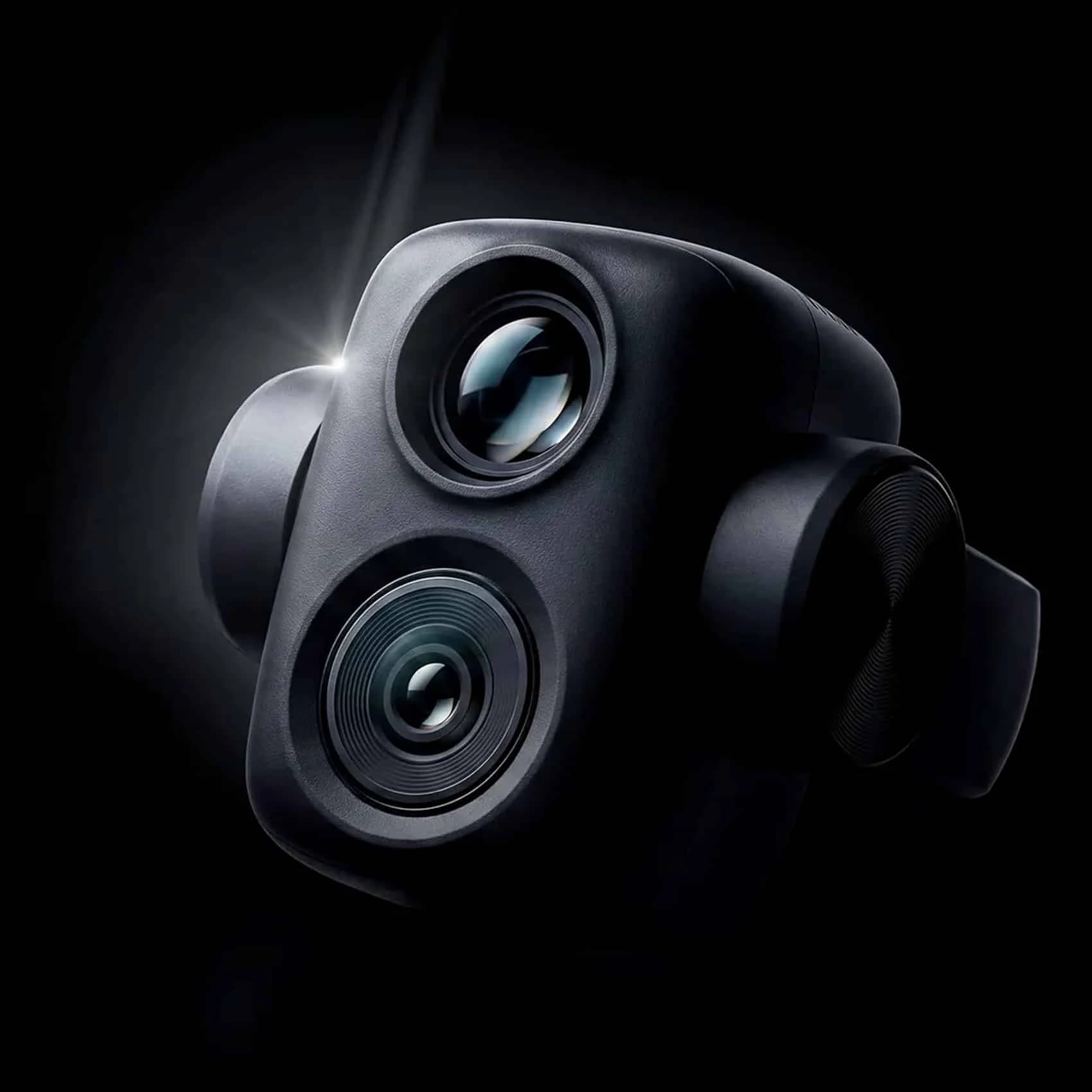
With FCC regulations blocking the DJI Osmo Pocket 4P from US sale, a US-registered brand called Xtra is preparing to launch the Muse 2 Pro — a dual-lens stabilized camera that mirrors the Pocket 4P's specs almost line for line, including a 1-inch CMOS sensor, 3x telephoto lens, 17-stop dynamic range, and 10-bit X-Log 3 color profile. Pricing and a release date have yet to be announced.

Highlights
- Xtra, a US-registered brand, is preparing to launch the Muse 2 Pro — a dual-lens stabilized camera matching the DJI Osmo Pocket 4P's spec sheet, including a 1-inch CMOS sensor, 3x telephoto lens, 17-stop dynamic range, and 10-bit X-Log 3 color profile.
- The DJI Pocket 4 launched globally on April 16, 2026 at $605, with the dual-lens Pocket 4P expected at $700–$730; both models were blocked from US retail due to FCC authorization restrictions on regulated DJI devices.
- The Muse 2 Pro introduces four hardware changes targeting solo creators: a dual-direction flip screen, an integrated grip, a built-in 1/4-inch tripod thread, and a side-mounted USB-C port for tripod-compatible charging.
- US competitors in the same category include the Insta360 Luna Ultra and the GoPro Mission 1, which opened for pre-order on May 21, 2026 — both are FCC-compliant and available in the US market.
- No pricing or confirmed release date for the Muse 2 Pro has been announced; Xtra states a launch is imminent with details expected within the coming weeks.
DJI Osmo Pocket 4P Ban Spawns a Near-Clone: Meet the Xtra Muse 2 Pro
For US creators who have been eyeing the DJI Osmo Pocket 4P only to find FCC regulations blocking their path, a familiar-looking alternative has emerged. A US-registered brand called Xtra is preparing to launch the Muse 2 Pro — a dual-lens stabilized camera whose spec sheet reads almost line for line like the Pocket 4P that DJI cannot legally sell in the United States.
Back in May, this outlet covered the competitive dynamics of the pocket camera segment, noting that the market gap would inevitably be filled. Xtra is the brand that decided to step in.
Muse 2 Pro Specs Mirror the Pocket 4P Almost Exactly
The Muse 2 Pro features a 1-inch CMOS primary sensor paired with a secondary 3x telephoto lens — the same dual-camera arrangement DJI uses to differentiate the dual-lens Pocket 4P from the single-lens Pocket 4. The spec sheet lists 17-stop dynamic range and a 10-bit X-Log 3 color profile, landing exactly where DJI's dual-lens model sits.
This is not a coincidence, and no one is pretending otherwise. The product's entire value proposition is straightforward: a Pocket 4P that you can actually order in the United States.
For a vlogger, 17 stops of dynamic range combined with a 10-bit log color profile is what separates usable footage from a blown-out sky behind your face. That specification is what made the Pocket 4P a sell-out. Replicating it in a unit that can be legally purchased in the US is the entirety of the Muse 2 Pro's pitch — and it is a promise Xtra must actually deliver on, not merely print on a box.
For anyone familiar with this niche segment, Xtra is not an unknown quantity. Some of its earlier products shipped with internal hardware and software that appeared virtually identical to what DJI ships. That history is precisely what makes the Muse 2 Pro credible rather than laughable. An anonymous brand claiming 17-stop dynamic range gets ignored; a brand that has already shipped DJI-grade hardware in production units earns a second look.
To be candid: as a photographer who has spent most of his career shooting with DJI gear — drones, gimbals, microphones, action cameras — I have no hard evidence, but I have no doubt either. Xtra and DJI share the same DNA. The only difference is that Xtra has a US market entry ticket, while DJI has been turned away at the door.
Hardware Changes Tailored for Solo Shooters
The Muse 2 Pro is not a pixel-perfect clone. The modifications Xtra has made clearly target a specific user: the solo creator filming themselves without assistance. Four physical differences from the Pocket 4P are apparent, and each one removes a friction point from single-handed shooting.
The screen flips to both sides rather than using DJI's fixed rotating display design. The grip is integrated directly into the body rather than sold separately as a detachable accessory that is easy to lose. A standard 1/4-inch tripod thread is built into the bottom of the body. The USB-C charging port has been moved to the side rather than the bottom, allowing the camera to charge while mounted on a tripod.
None of these are headline features. They are the details you only notice after you have used a camera like this and worked around its limitations. Moving the USB-C port away from the bottom reveals the design team's real-world use case — someone who habitually mounts the camera on a tripod for talking-head videos and got tired of the charging cable fighting with the tripod mount.
FCC Block Created the Market Gap
The entire DJI Pocket 4 lineup is unavailable in the United States because new FCC equipment authorization applications for regulated models have been blocked — the same regulatory wall that has kept several of DJI's recent drones off US retail shelves. The Pocket 4 launched globally on April 16 at $605, with the dual-lens Pocket 4P expected to retail at around $700–$730; neither model cleared FCC authorization for the US market.
That left the most capable-looking option in its category sitting on shelves that American consumers cannot reach through normal channels. That is the vacuum Xtra is moving into.
US consumers are not without options in this category, of course. The Insta360 Luna Ultra offers a co-designed Leica dual-lens, 1-inch sensor configuration, and GoPro's Mission 1 opened for pre-order on May 21 — both are compliant for US sale. The Muse 2 Pro's only edge over those two is that it replicates the Pocket 4P formula specifically, which matters only to buyers who are set on a DJI-equivalent and will not accept a substitute.
The Muse 2 Pro has no confirmed price or release date yet. Xtra says a launch is imminent and that details will be revealed in the coming weeks. Until specific numbers and dates appear, everything remains tentative. The widely circulated association between Xtra and DJI has not been formally confirmed and should be treated as informed speculation, not established fact.
DroneXL Perspective
Something nobody is saying out loud: the intent of the DJI ban was to protect the US market, but the practical outcome has been to hand that market to a brand willing to ship DJI-grade hardware under a different label — with different paperwork rather than different chips.
This was a foreseeable second-order consequence. The May pocket camera report noted that FCC authorization was the only barrier separating US buyers from the best stabilized camera of the year. Remove the official product from the shelf, and demand does not disappear — it reroutes. The Muse 2 Pro is that rerouted demand wearing a new logo.
One real risk deserves to be named: a rebadged brand with no track record on firmware support, warranty, or repair is a gamble, and Xtra's habit of shipping DJI-grade internals is a double-edged proposition. The hardware may perform on day one and be abandoned by month six. Evaluate the brand before you evaluate the spec sheet.
The conclusion is simple enough: US creators stand to receive DJI-grade quality at a slightly lower price, with only the logo surrendered. Go enjoy your new Osmo Pocket 4 Pro. Sorry — your new Xtra Muse 2 Pro. You know what I mean.
The real open question is whether Xtra will publish verified specs and a price, or whether the Muse 2 Pro will linger indefinitely in "coming soon" purgatory. This publication is watching for an official spec page and a price. Until both materialize, what exists is a promising form factor — and nothing more.
原文來源: 查看原文
FAQ
Newsletter
Subscribe to our Low-Altitude Industry Newsletter
Daily curated news on low-altitude economy and drone industry, delivered to your inbox.