FAA與AirSpaceIntel聯手現代化空域管理,導入FMDS與SMART系統強化航班協調
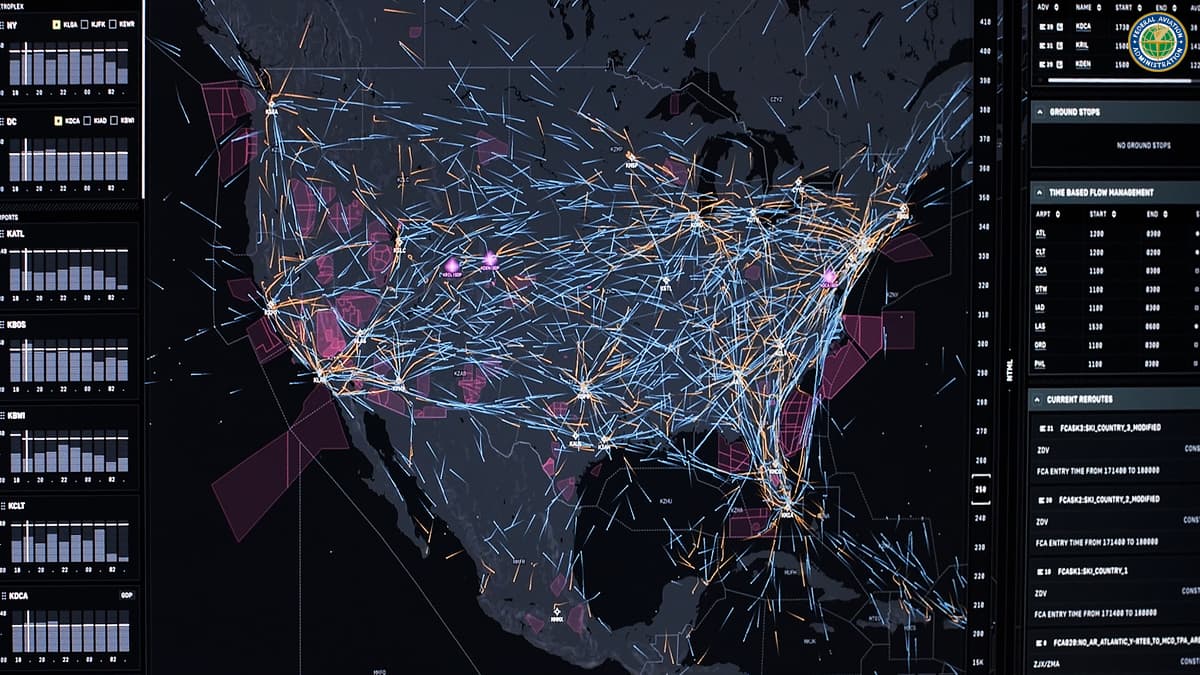
美國聯邦航空總署(FAA)宣布與AirSpaceIntel展開合作,部署飛行資料管理系統(FMDS)與SMART空域管理工具,這是該局推動國家空域系統(NAS)現代化的重要步驟。新技術將使管制人員能提前識別空域壅塞、更有效協調航班動態、減少延誤與衝突。隨著無人機與先進空中移動載具大量進入空域,此次升級被視為應對日益複雜飛行環境的必要措施,最終目標是為旅客帶來更順暢、可預測的飛行體驗。
美國FAA與空域智慧公司AirSpaceIntel合作,部署飛行資料管理系統(FMDS)與SMART技術,在無人機及城市空中交通激增背景下,提前偵測壅塞、優化航班協調,目標為旅客帶來更可預測的飛行體驗。
重點速覽
- FAA引入FMDS與SMART系統,由AirSpaceIntel提供空域資料分析技術
- 新系統可提前偵測空域壅塞,即時協調航班避免延誤與衝突
- 充分運用現有空域資源,應對無人機與城市空中交通激增需求
- 此舉為NextGen空域現代化計畫延伸,反映美國採用數位技術應對複雜空域環境
- 提升飛行作業可預測性,改善旅客出行體驗與國家空域系統整體效能
文章重點
- FAA與AirSpaceIntel合作,在國家空域系統(NAS)中部署FMDS與SMART兩套新技術。
- FMDS與SMART系統可提前偵測空域壅塞,強化航班協調並提升空域使用效率。
- 此次升級旨在讓飛行作業更具可預測性,改善廣大飛行旅客的出行體驗。
- 此合作是FAA推動NextGen空域現代化計畫的延伸,因應日益複雜的空域管理需求。
FAA與AirSpaceIntel攜手升級國家空域管理
美國聯邦航空總署(FAA)近日宣布與空域智慧科技公司AirSpaceIntel建立合作關係,共同推動國家空域系統(National Airspace System,NAS)的現代化改革。此次合作將導入兩項關鍵技術——飛行資料管理系統(FMDS)與SMART空域管理工具——以強化美國空域的監控與協調能力。
提前預警,打造智慧空域管制
這套新系統的核心優勢在於提前偵測能力。管制人員藉由FMDS與SMART工具,將能夠:n
- 比以往更早發現空域壅塞情況,在問題惡化前實施介入措施
- 更有效協調各航班動態,顯著減少飛行延誤與潛在衝突
- 充分發揮現有空域資源的運用效率,提升整體飛行吞吐量
FAA表示,此次升級直接對應日益增長的空域使用需求。特別是隨著無人機商業應用擴大、城市空中交通(Urban Air Mobility, UAM)與先進空中移動載具(Advanced Air Mobility, AAM)的逐步整合,傳統的空域管理模式已難以應對。新的數位化管理工具成為必要的基礎設施升級。
旅客體驗與經濟效益的雙贏
FAA強調,此次合作最終目的不僅在於技術升級,更重要的是讓飛行作業變得更具可預測性與安全性。對旅客而言,這意味著更準時的航班、更順暢的空中導航、更少的延誤等待;對航空業而言,則代表營運成本的優化與排班效率的提升。
NextGen現代化計畫的新里程碑
此次合作被業界視為FAA推動NextGen空域現代化計畫的重要延伸。NextGen(下一代國家空域系統計畫)自本世紀初啟動至今,一直著重於從地面雷達導航系統升級到衛星導航與數據驅動決策的轉變。引入AirSpaceIntel的空域資料分析能力,體現了FAA在應對日益複雜的飛行環境時,積極採納民間科技解決方案的政策方向。
AirSpaceIntel作為空域資料分析領域的專業廠商,其系統整合能力預期將大幅強化FAA的空域監控、預測與決策效能,為美國民航系統的未來奠定堅實的數位基礎。
對台灣業者的意義
對台灣無人機與空中運輸產業而言,FAA此舉具重要參考意義。台灣民航局近年推動遙控無人機管理規則現代化,同步開發遠端識別(Remote ID)與地理圍欄(Geofencing)技術。FAA引入FMDS與SMART系統的作法,顯示國際空域管理趨勢正朝向「預測性、數據驅動」發展。台灣若要推動BVLOS與城市空中交通試驗,勢必需要建立類似的空域智慧管理平台。同時,本地無人機服務業者(如農噴、巡檢廠商)應留意國際空域管理標準演進,提前適應更嚴格的位置回報與軌跡追蹤要求。
常見問題
本文由 LAETimes 編輯部審核發佈 ·


