FCC Creates Toy Drone Exemption, Defines Low-Risk UAS Category
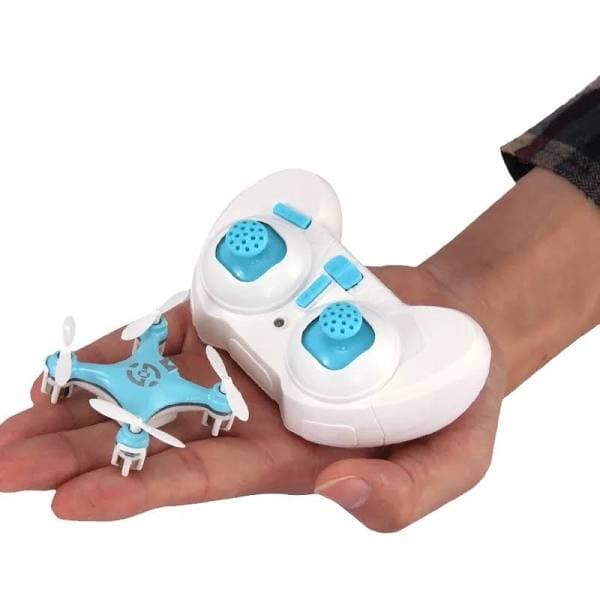
The U.S. Federal Communications Commission (FCC) has updated its Covered List, removing a strictly defined category of foreign-manufactured 'toy drones' and 'toy drones containing foreign-made components.' The move follows a national security directive issued on June 12, 2026, and clarifies the characteristics the federal government uses to classify drone systems as low-risk.

Highlights
- The FCC updated its Covered List following a national security directive dated June 12, 2026, removing foreign-manufactured toy drones from regulated equipment.
- Toy drones containing foreign-produced components are also exempted from the FCC Covered List under the new policy.
- The FCC update formally introduces a low-risk UAS classification framework, providing manufacturers and importers with regulatory guidance for the first time.
- Full criteria for the low-risk UAS designation have not yet been published; the industry is awaiting complete details to assess supply chain and import impacts.
- The policy signals a U.S. regulatory shift toward granular, risk-tiered oversight of drone systems, distinguishing entry-level consumer products from commercial-grade UAS.
FCC Creates Toy Drone Exemption, Defines Low-Risk UAS Category
The U.S. Federal Communications Commission (FCC) has updated its Covered List, removing a narrowly defined category of foreign-manufactured toy drones—as well as toy drones that contain foreign-produced components—from the list of regulated equipment.
Background on the Exemption
The action follows a national security directive issued on June 12, 2026. Beyond carving out space for toy drones specifically, the FCC update carries broader significance: it explicitly outlines the low-risk characteristics that federal officials use when assessing the threat profile of unmanned aircraft systems (UAS).
What the Low-Risk UAS Definition Means for the Industry
This policy adjustment has important implications for the wider drone industry. By defining which drones qualify as "low-risk," the FCC has effectively established a reference framework for future regulatory decisions—and given manufacturers and importers clearer guidance on whether their products may fall within the scope of the Covered List.
For consumers, the toy drone exemption means that certain entry-level, limited-capability foreign-made drone products will no longer be subject to the same level of national security scrutiny applied to higher-end commercial systems.
What to Watch Next
The FCC has not yet released the full criteria for low-risk UAS classification, and the industry is closely monitoring further regulatory details to assess the practical impact on supply chains and product imports. The direction of this policy signals that the U.S. government is moving toward a more granular, risk-tiered approach to drone regulation.
Source: DRONELIFE
原文來源: 查看原文
FAQ
Newsletter
Subscribe to our Low-Altitude Industry Newsletter
Daily curated news on low-altitude economy and drone industry, delivered to your inbox.