Interview with Paul Dawalibi: Can Ras Al Khaimah Become the Silicon Valley of the Middle East?
As global competition in AI, robotics, and deep-tech investment intensifies, Ras Al Khaimah (RAK) — the UAE's northernmost emirate — is positioning itself as a tech and drone innovation hub. Tech media analyst Paul Dawalibi argues that RAK's best path forward lies in differentiating from Dubai and Abu Dhabi by focusing on drone technology, robotics, and advanced manufacturing, while acknowledging that building a true tech ecosystem requires long-term investment in talent and startup culture.

Highlights
- Ras Al Khaimah (RAK), the UAE's northernmost emirate, is actively investing in tech infrastructure to attract drone, robotics, and advanced manufacturing companies.
- Tech analyst Paul Dawalibi recommends RAK differentiate from Dubai by specializing in drone technology, robotics automation, and deep-tech manufacturing rather than replicating Dubai's fintech model.
- Dawalibi argues that offering flexible BVLOS flight approvals and dedicated test corridors would give RAK a stronger competitive edge than tax incentives alone.
- RAK's lower operating costs and availability of industrial land make it structurally attractive for companies requiring large drone and robotics testing facilities.
- Talent development and startup culture remain RAK's biggest gaps; Dawalibi cautions that building a genuine tech ecosystem requires long-term, systemic investment and should not be rushed.
Interview with Paul Dawalibi: Can Ras Al Khaimah Become the Silicon Valley of the Middle East?
For decades, when tech companies considered establishing a presence in the Middle East, the conversation almost always centered on Dubai or Abu Dhabi. But as global competition in artificial intelligence (AI), robotics, and deep-tech intensifies, a growing number of smaller, more agile innovation hubs are actively seeking their place on the technology map.
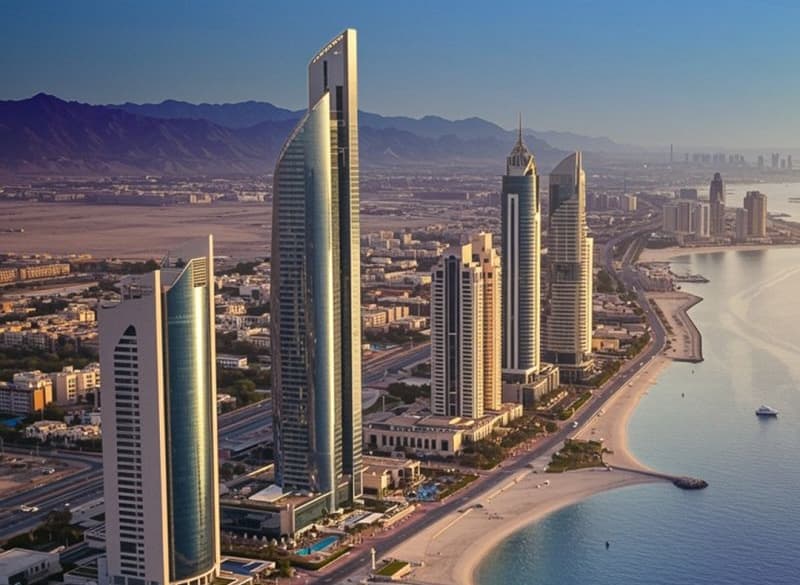
Ras Al Khaimah (RAK), the UAE's northernmost emirate, is one of the most notable examples of this trend. Long known for industrial manufacturing and tourism, RAK has in recent years begun investing heavily in tech infrastructure, courting drone, robotics, and advanced manufacturing companies.
Differentiation Strategy: Not the Next Dubai
Tech media personality and industry analyst Paul Dawalibi argues that for RAK to stand out in the competitive Middle Eastern tech market, the emirate must carve out its own identity rather than replicate Dubai or Abu Dhabi's development model.
"Every successful innovation ecosystem has a core competency," Dawalibi said. "RAK's opportunity lies in focusing on specific verticals — particularly drone technology, robotics automation, and deep-tech applications tightly integrated with manufacturing."
Unlike Dubai, which has built its reputation on fintech and commercial services, RAK offers more industrial land and comparatively lower operating costs — attributes that are highly attractive to drone and robotics companies requiring large-scale testing facilities.
Regulatory Environment: A Potential Competitive Edge
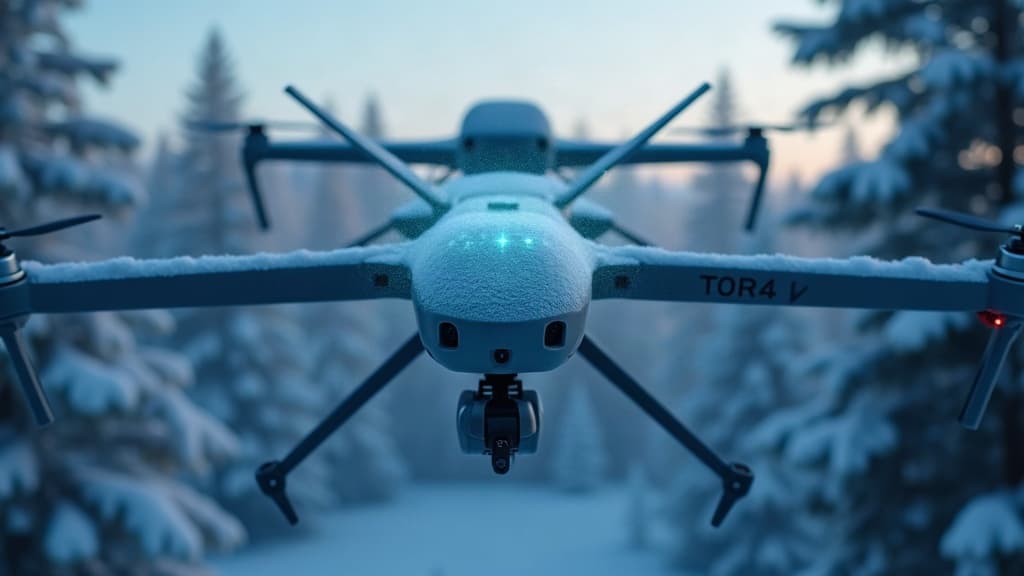
In the drone industry, the regulatory environment is often the deciding factor in whether a location can become a sector hub. Dawalibi noted that the UAE as a whole has already established a relatively robust regulatory framework for drone operations, and that RAK could gain a further edge by offering more flexible test corridors and expedited beyond visual line of sight (BVLOS) flight approvals to attract international R&D operations.
"When companies choose where to set up, they care about more than tax incentives — they need to know they can actually get things done," he said. "The ability to legally and quickly test new technologies is a genuine competitive advantage."
Talent and Ecosystem: The Missing Piece
Despite improving physical infrastructure, Dawalibi was candid about RAK's ongoing challenges in cultivating and retaining local tech talent. Silicon Valley's success, he noted, was built not just on capital and regulation, but on the long-term accumulation of dense talent networks and a deeply embedded entrepreneurial culture.
"Building a genuine tech ecosystem takes time," he said. "RAK is moving in the right direction, but becoming the Silicon Valley of the Middle East is still a long way off — it's a worthy goal, but one that should not be rushed."
Outlook: Balancing Opportunity and Reality
Overall, Dawalibi expressed cautious optimism about RAK's tech development prospects. At the intersection of AI, drones, and robotics, he believes the emirate holds real potential worth watching — particularly against the backdrop of global supply chain restructuring and countries actively seeking new advanced-tech manufacturing bases.
However, transforming from an industrial center into a deep-tech innovation hub will require more than policy announcements and investment incentives. RAK needs sustained, systemic commitment to talent development, international connectivity, and the long-term cultivation of a startup ecosystem.
This article is based on an interview with tech media personality Paul Dawalibi.
原文來源: 查看原文
FAQ
Newsletter
Subscribe to our Low-Altitude Industry Newsletter
Daily curated news on low-altitude economy and drone industry, delivered to your inbox.