荷蘭中部緊急應變中心啟動無人機試點,五地點測試災情偵察效能
荷蘭中部指揮中心正式啟動無人機試點計畫,在芬內達爾地區的五個事故地點測試無人機的部署與應用。試點將評估無人機在事故現場偵察、即時影像傳輸與資源調度的效益,期望透過空中視角縮短應變時間、提升態勢感知、優化跨部門協作。試點成果將作為未來是否擴大應用規模的參考依據,並可供其他應變中心借鑑。
荷蘭中部指揮中心於芬內達爾地區啟動無人機試點計畫,將在五個事故地點測試無人機在緊急應變中的實際部署效益,探索空中視角對指揮調度的助力。
重點速覽
- 荷蘭中部指揮中心於芬內達爾啟動無人機試點,在五個指定事故地點測試部署應用
- 試點評估無人機的事故現場偵察、即時影像傳輸與資源調度效能
- 無人機將比地面車輛更快抵達現場,提升事故應變初期的態勢感知能力
- 試點成果將成為荷蘭中部地區是否擴大無人機應用規模的重要參考依據
- 成功案例有望為其他歐洲應變指揮中心提供借鑑,推動公共安全領域應用
文章重點
- 荷蘭中部指揮中心(Central Netherlands Control Room)在芬內達爾(Veenendaal)啟動無人機緊急應變試點計畫。
- 試點計畫共選定五個事故地點,測試無人機從接獲通報到抵達現場的反應時間與應用效益。
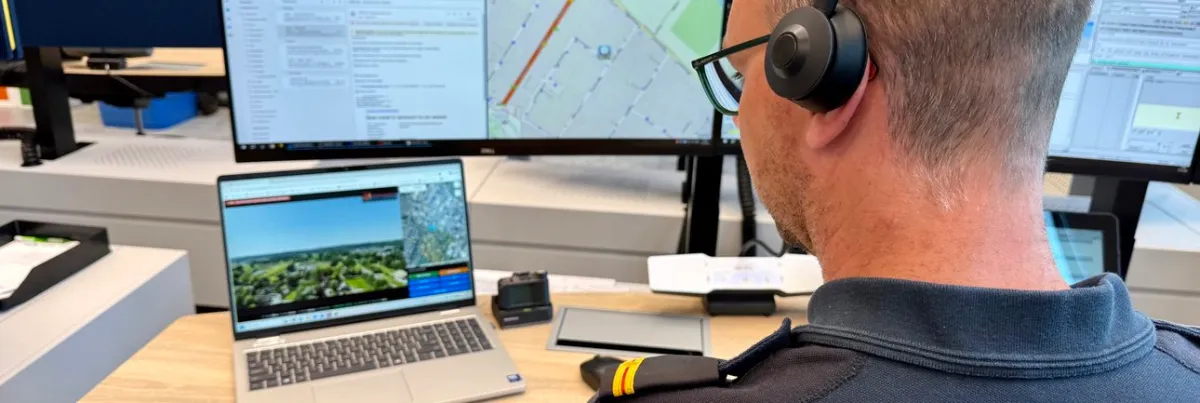
- 無人機將提供即時空拍影像,輔助指揮官進行資源調度並強化警察、消防、救護的跨部門協作。
- 試點結果將決定荷蘭中部地區是否擴大無人機在公共安全領域的部署規模。
荷蘭啟動無人機緊急應變試點
荷蘭中部指揮中心(Central Netherlands Control Room)正式啟動一項無人機試點計畫,將在芬內達爾(Veenendaal)地區的五個指定事故地點測試無人機在緊急應變中的實際應用效能。此舉標誌著荷蘭在公共安全領域引入無人機技術的重要一步。
試點計畫核心目標
隨著無人機技術日趨成熟且成本下降,歐洲多個公共安全機構開始評估將其整合入緊急應變體系的可行性。荷蘭中部指揮中心此次試點,主要探索無人機在以下三大面向的應用潛力:
事故現場快速偵察——無人機可於接獲事故通報後,比傳統地面車隊更迅速抵達現場,為指揮官提前掌握險情態勢爭取寶貴時間。試點將測試從通報到無人機到達現場的完整反應時間。
即時空中視角輔助決策——實時空拍影像有助於指揮官精準評估事故規模與複雜度,從而做出更優化的資源調度決策。空中視野可清晰呈現地面車輛無法掌握的全局狀況。
跨部門協作優化——警察、消防、救護等單位可基於統一的空中視野座標系,大幅提升協同應變效率。這對於多部門聯動的複雜事故尤為關鍵。
試點執行方式
此次試點將在芬內達爾轄區的五個事故高發地點展開,預計透過實地演練與真實事故應對,驗證無人機部署的實效性。試點期間,中心將收集反應時間、決策精準度、跨部門協作效率等關鍵指標。
後續影響與展望
試點成果將直接決定荷蘭中部地區是否進一步擴大無人機應用規模。若成效良好,不僅將推動該地區應變體系的現代化升級,更有望為荷蘭其他地區乃至整個歐盟緊急應變體系提供可複製的實踐案例。這將標誌著無人機從商業消費領域邁入政府公共安全部門的重要轉折。
對台灣業者的意義
荷蘭中部指揮中心的無人機試點對台灣應變機構具有參考價值。台灣消防、警察與海岸巡防等單位可關注試點成果,評估在山難搜救、水災監測、車禍現場勘查等場景導入無人機的可行性。建議台灣相關業者與操作服務團隊提前研究歐盟EASA的遠端識別(Remote ID)與VLOS/BVLOS規範變化,以及公共安全應用的飛行安全標準。若台灣民航局後續推動公安單位無人機試點計畫,業者可參考荷蘭的試點評估指標(反應時間、決策精準度、協作效率),搶先提供相應的訓練與技術服務。
常見問題
Newsletter
訂閱低空產業電子報
每日精選低空經濟與無人機產業新聞,直送您的信箱。
本文由 LAETimes 編輯部審核發佈 ·