Fiber-Optic FPV Drones Reach Southern Lebanon, Giving Israeli Forces a Serious Headache
Hezbollah has deployed fiber-optic FPV drones in southern Lebanon, inflicting significant losses on Israeli forces. The technology, pioneered on the Ukrainian battlefield, costs just $300–$400 per unit, is immune to electronic jamming, and is largely produced using 3D printing and commercial off-the-shelf components. Analysts warn the technology will continue to spread to conflict zones worldwide.

Highlights
- Hezbollah first released footage of fiber-optic FPV drone strikes on Israeli tanks in late March 2026, shortly after launching an offensive on March 2, 2026.
- Each fiber-optic FPV drone costs an estimated $300–$400, is largely 3D-printed, and uses commercial off-the-shelf electronic components.
- Fiber-optic tethering makes these drones completely immune to electronic jamming, giving operators a decisive asymmetric advantage over conventional electronic-warfare systems.
- Analyst Samuel Bendett of the Center for Naval Analyses stated that Israeli forces failed to adequately anticipate the deployment of this technology, despite Israel's deep familiarity with global drone developments.
- The technology transfer chain runs from Ukraine to Russia to Iran to Hezbollah, and analysts warn similar capabilities are already appearing in conflicts across Africa, the Sahel, South Asia, and among Latin American drug cartels.
Fiber-Optic FPV Drones Reach Southern Lebanon, Giving Israeli Forces a Serious Headache
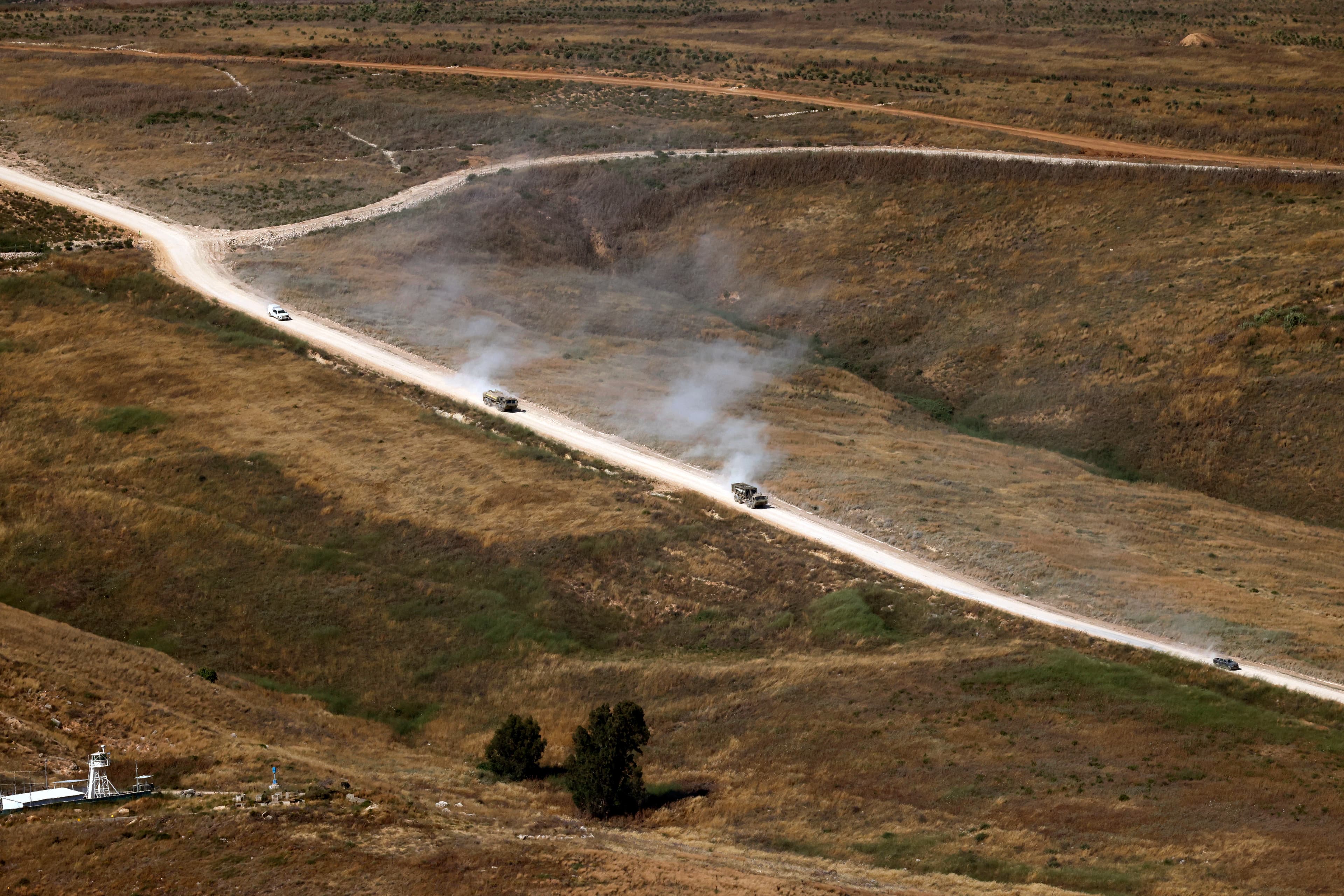
BEIRUT — Fiber-optic first-person-view (FPV) drones operated by Hezbollah, the Iran-backed armed group, have fundamentally transformed the battlefield in southern Lebanon, inflicting serious casualties and material losses on Israeli forces occupying parts of the territory.
The technology — one of the signature weapons of the war in Ukraine — appeared in southern Lebanon shortly after Hezbollah launched an offensive against Israel on March 2, 2026. The attack came days after the outbreak of a US-Israeli war against Iran, igniting a new round of large-scale conflict.
How It Works: A Lethal Weapon That Cannot Be Jammed
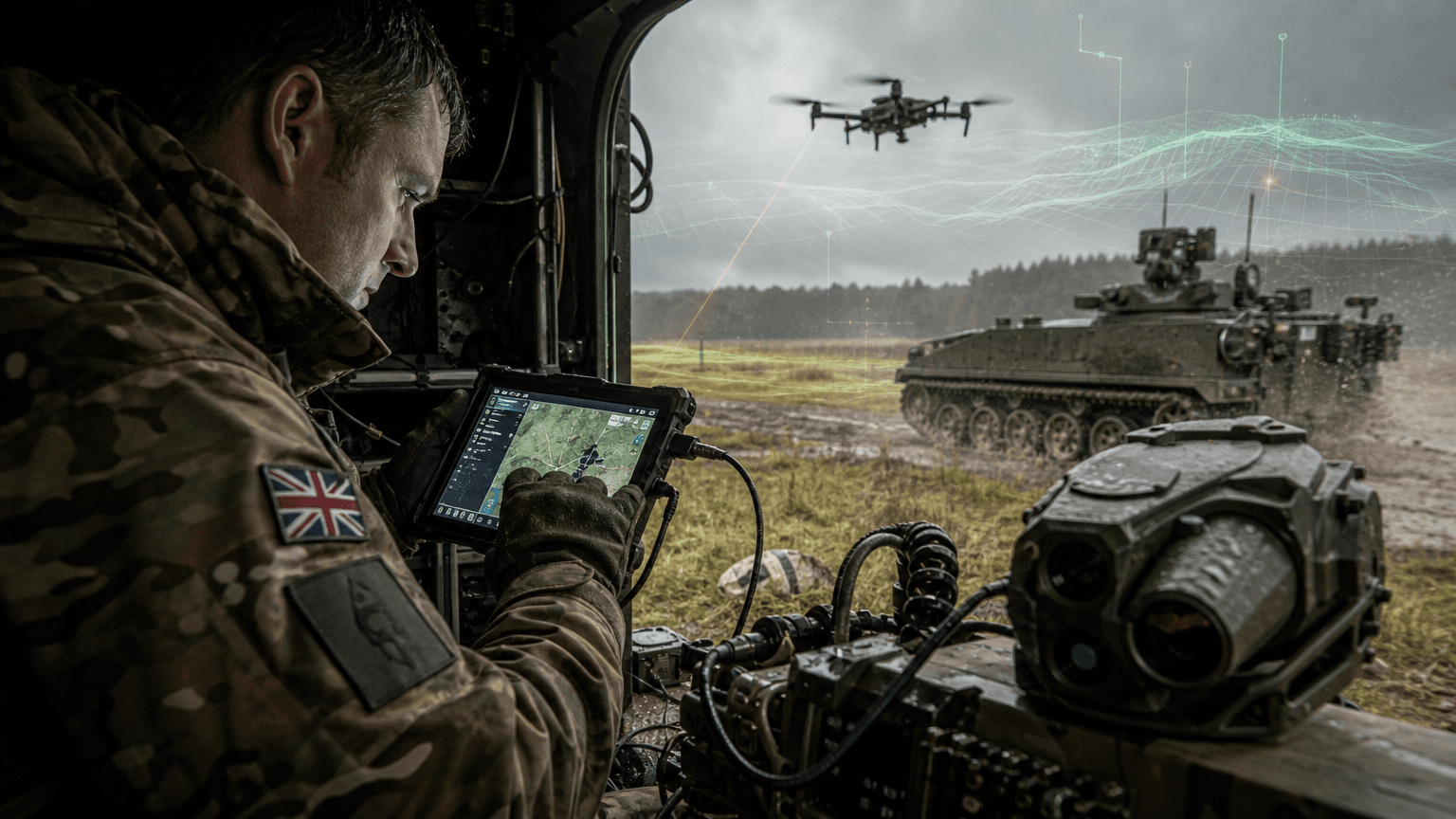
These tethered drones maintain a direct, physical connection between operator and aircraft via a spool of fiber-optic cable, rendering them completely immune to electronic jamming and other conventional electronic-warfare countermeasures. Their appearance in the southern Lebanon conflict represents a significant shift in the character of the fighting.
Hezbollah released its first publicly available footage of fiber-optic drone strikes on Israeli tanks in late March 2026.
To discuss the technology, Hezbollah introduced military expert Ali Jazini, a figure closely associated with the organization. He estimated that each drone costs approximately $300 to $400, and that the airframes appear to be largely manufactured locally via 3D printing, using commercially available, off-the-shelf electronic components.
Hezbollah's Learning Curve
"Hezbollah is one of the most sophisticated non-state armed actors in the world. But when it comes to FPV drones, they are still figuring things out," said Samuel Bendett, a military analyst and Russia defense expert at the Center for Naval Analyses.
Fiber-optic FPV drones have quickly become a critical weapon. The principal barrier to entry is having experienced operators, as the fiber-optic cable is highly susceptible to damage if mishandled.
"But if you're someone in their thirties or forties who grew up playing PC games and PlayStation, you already know how to work a joystick," said Hamzé Attar, a Luxembourg-based defense commentator.
As the "gamification" of warfare becomes increasingly pronounced, simulation-based training tools now allow operators to practice across a wide range of scenarios, dramatically shortening the learning curve. Attar noted that this has "ultimately enabled Hezbollah to deploy FPV systems equipped with night-vision capability."
Technology Spreads from Ukraine to the Middle East
The emergence of fiber-optic FPV drones reflects Hezbollah's drive to circumvent electronic warfare and achieve more precise strikes — particularly after its supply lines through Syria were severed following the collapse of the Assad regime. These drones require no runway or dedicated launch infrastructure, and allow the pilot to maintain visual contact with the target during the final seconds before impact.
The difficulty of detecting launch sites and pilot locations — far greater than tracking other drone activity through intelligence means — gives all parties an asymmetric advantage that they are actively exploiting.
In this regard, Israeli forces appear to have been caught off guard. "No country understands global technology and drone developments better than Israel," said Bendett. "So it is genuinely surprising to see the Israeli military failing to adequately anticipate the potential use of these drones."
This has handed Hezbollah a battlefield advantage, one compounded by the group's intimate familiarity with the terrain of southern Lebanon.
The Knowledge Transfer Chain: Russia, Iran, Hezbollah
According to analysts, the transfer of technical and tactical knowledge typically occurs through multiple channels: observation of other battlefields, widely circulated open-source video footage, and direct training. Some of the expertise developed in Russia may have been transferred to Iran and subsequently passed on to Hezbollah.
"Just as Iran provided Russia with Shahed drone technology and training, Iran has very likely received some tactical drone-use training from Russian forces in return," said Bendett.
Analysts believe that any military drawn into conflict will encounter, in some form, technologies that first appeared in Ukraine — a trend driven in part by the tradeoff between effectiveness and cost.
"We are seeing this in conflicts across the Middle East, Africa, the Sahel, and South Asia. We are also seeing drug cartels in Latin America using drones," Bendett said.
Limited Countermeasures, Persistent Battlefield Impact
Countermeasures against these flying warheads include interception nets, acoustic early-warning sensors, rotating cables, and electromagnetic systems designed to disrupt electronics. However, these measures risk causing collateral damage to friendly assets operating in the same area.
According to Jazini, even large, well-resourced militaries currently have very few effective solutions.
Attar concluded: "They have changed the battlefield and will continue to be a destabilizing factor in warfare until adequate countermeasures are found."
原文來源: 查看原文
FAQ
Newsletter
Subscribe to our Low-Altitude Industry Newsletter
Daily curated news on low-altitude economy and drone industry, delivered to your inbox.