How Ukraine Overhauled Its Soviet-Era Air Defense: Drones, Real-Time Imagery, and the Death of the Pyramid
Ukraine has fundamentally transformed the top-down, Soviet-inherited air defense command structure during its war with Russia. By integrating real-time drone imagery and flattening information chains, Ukrainian forces bypassed bureaucratic bottlenecks, enabling faster threat identification and more efficient interception decisions — offering a landmark case study in asymmetric warfare innovation.

Highlights
- Ukraine replaced its Soviet-era multi-layer air defense command hierarchy with a digitally flattened system that routes real-time sensor data directly to interception units, cutting response times significantly.
- Commercial off-the-shelf (COTS) drones and domestically developed Ukrainian UAVs are deployed at scale to provide live video feeds that fill radar blind spots and support faster, more accurate target confirmation.
- Ukrainian engineers and volunteer developers built integrated software platforms that fuse radar returns, drone imagery, and ground observer reports into a single Common Operational Picture (COP) for commanders.
- Military analysts globally cite Ukraine's decentralized, multi-source data fusion model as a landmark evolution in modern air defense doctrine, demonstrating that digital agility can outweigh hardware superiority.
- Defense planners in multiple countries are now actively studying how to replicate Ukraine's low-cost drone integration and software-defined command architecture in their own national air defense systems.
How Ukraine Overhauled Its Soviet-Era Air Defense: Drones, Real-Time Imagery, and the Death of the Pyramid
The Soviet air defense system was built like a pyramid. Radar data had to travel upward through layer upon layer of command — from frontline stations to higher headquarters, which then issued decisions and orders back down. That centralized, top-down model may have had its logic during the Cold War, but on the fast-moving modern battlefield it became a fatal bottleneck.
Ukraine inherited this cumbersome Soviet command architecture. Faced with a full-scale Russian invasion, however, Ukrainian forces were compelled to undertake a fundamental overhaul in an extraordinarily short time — and drones have been the central driver of that transformation.
Breaking the Pyramid: The Information-Flattening Revolution
The defining weakness of the traditional Soviet air defense command structure was that information moved far too slowly to keep pace with modern aerial threats. From the moment a cruise missile or drone is detected to the moment it enters its strike window, there may be only minutes — or even tens of seconds — available. Bureaucratic, multi-level reporting procedures routinely squandered that precious time.
Ukraine's answer was to flatten the information chain through digitization. Real-time imagery and sensor data gathered by frontline troops, observation posts, and — most critically — drones can now bypass the complex command hierarchy and flow directly to the units responsible for interception decisions.
Drones as the Eyes of the Air Defense Network
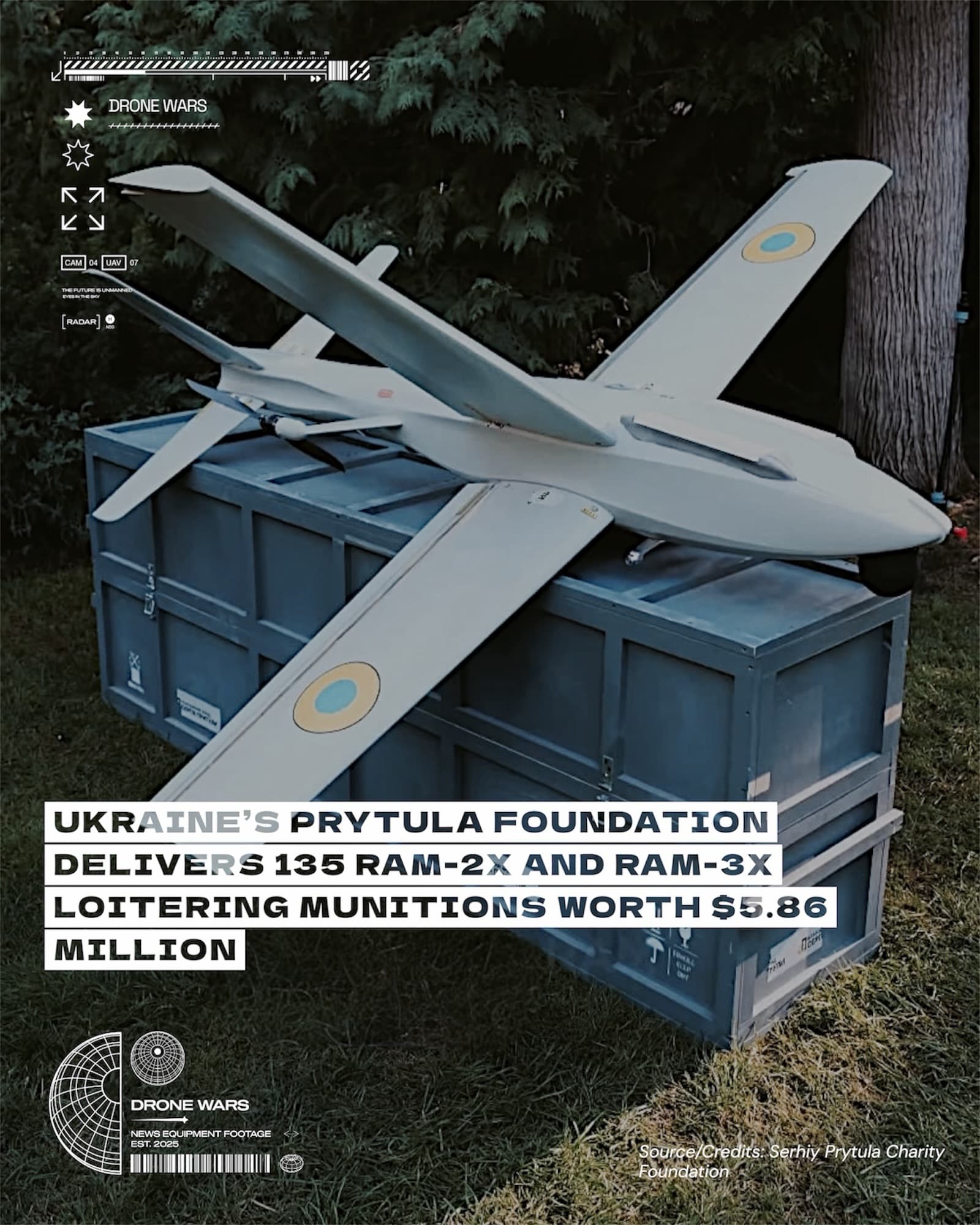
In this new operational architecture, drones serve multiple roles. Commercial off-the-shelf (COTS) platforms, alongside various domestically developed Ukrainian designs, have been deployed at scale for reconnaissance and target designation. These drones stream live video back to ground stations, giving operators the ability to confirm and track targets in radar blind spots or in situations where radar response times are insufficient.
This human-machine teaming approach to intelligence integration allows air defense units to identify threats earlier, allocate scarce intercept resources more precisely, and significantly reduce the risk of misidentification.
Technology Filling the Institutional Gap
Ukrainian engineers and a community of volunteer developers have also made substantial contributions on the software side. Homegrown integration platforms fuse sensor data from multiple sources — radar returns, drone video feeds, ground observer reports — into a single Common Operational Picture (COP), allowing commanders to maintain complete situational awareness of the airspace through one unified interface.
This decentralized, multi-source data fusion approach to air defense has been noted by military analysts as a significant evolution in modern air defense thinking, enabling Ukraine to sustain operations against Russia's relentless aerial campaign despite comparatively limited resources.
Implications for the Global Drone and Air Defense Industry
Ukraine's combat experience is drawing intense interest from military planners and security strategists worldwide. How to effectively integrate low-cost commercial drones into an air defense sensor network, and how to replace rigid command hierarchies with software-defined, flexible architectures, have become pressing topics in defense procurement and strategic planning across numerous countries.
This war is not only a contest of weapons — it is a race between command architectures and the speed of technological innovation. Ukraine has demonstrated in live combat that agile digital integration can sometimes prove more decisive than expensive hardware systems.
原文來源: 查看原文
FAQ
Newsletter
Subscribe to our Low-Altitude Industry Newsletter
Daily curated news on low-altitude economy and drone industry, delivered to your inbox.