FAA Proposes Streamlined Aircraft Certification Process, Deepens Cooperation with EASA
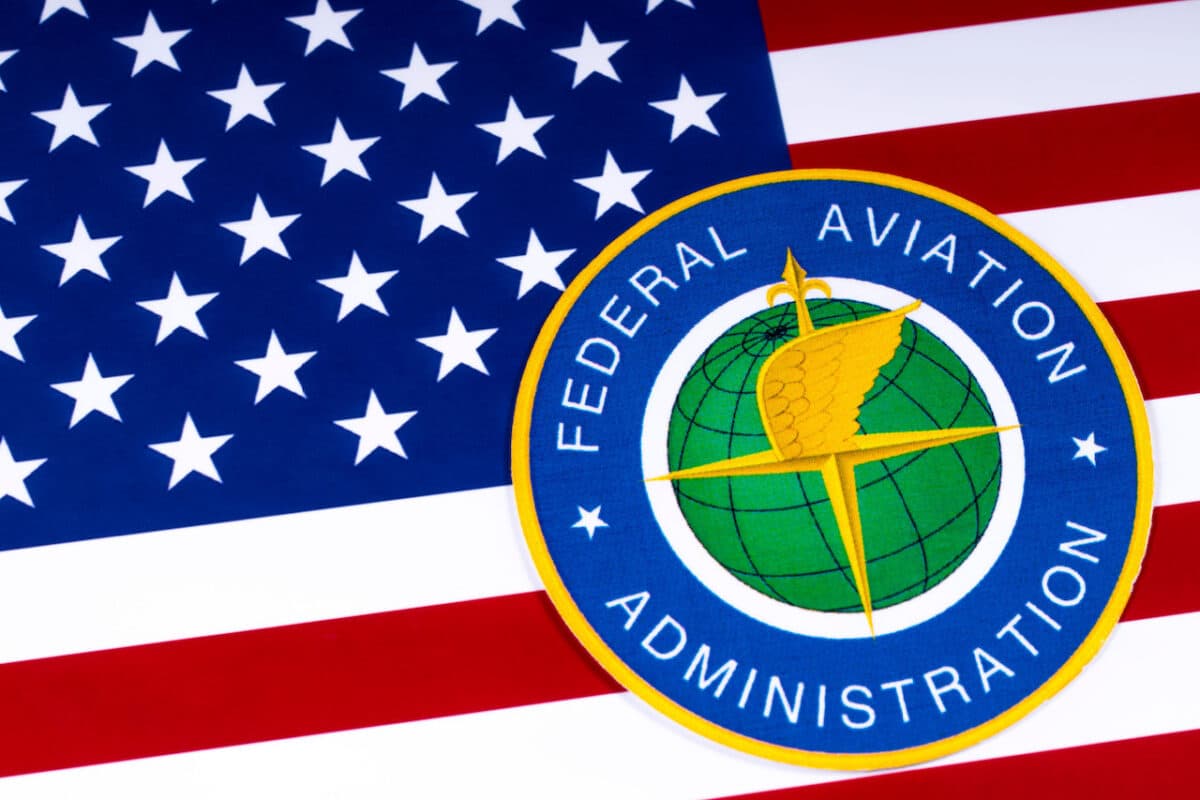
The U.S. Federal Aviation Administration (FAA) has proposed a comprehensive overhaul of its aircraft certification process to shorten review timelines and align more closely with the European Union Aviation Safety Agency (EASA). Following their annual joint safety conference held on June 18, 2026, in Chantilly, Virginia, both agencies pledged deeper collaboration on certification standards, automated cockpit technology, and cybersecurity.

Highlights
- The FAA proposed a comprehensive overhaul of its aircraft certification process following the FAA-EASA Annual Bilateral Safety Conference held on June 18, 2026, in Chantilly, Virginia.
- The three-day joint conference attracted approximately 400 aviation safety professionals and was attended by FAA Administrator Bryan Bedford and EASA Executive Director Florian Guillermet.
- Both agencies committed to harmonizing certification standards, reducing the administrative cost for manufacturers seeking simultaneous FAA and EASA approval.
- Cooperation areas include automated cockpit technology integration, cockpit use of Portable Electronic Devices (PEDs), pilot training modernization, and joint cybersecurity threat response.
- Boeing, Airbus, and eVTOL manufacturers are widely expected to benefit from the reforms, which Reuters and Bloomberg have both reported on.
FAA Proposes Streamlined Aircraft Certification Process, Deepens Cooperation with EASA
The U.S. Federal Aviation Administration (FAA) has proposed a sweeping overhaul of its aircraft certification procedures, aiming to introduce a more flexible review mechanism that reduces certification timelines while bringing U.S. regulations into closer alignment with those of the European Union Aviation Safety Agency (EASA).
Annual Joint Safety Conference Drives Consensus
The policy shift follows the conclusion of the three-day FAA-EASA Annual Bilateral Safety Conference on June 18, 2026. Held in Chantilly, Virginia, under the theme "Safety Together: Innovation, Integration and Trust," the conference drew approximately 400 aviation safety professionals. FAA Administrator Bryan Bedford and EASA Executive Director Florian Guillermet both attended, jointly pledging to advance closer cooperation in what they described as a "New Era of Aviation."
Key Areas of Bilateral Cooperation
The two regulators reached several concrete cooperation commitments during the conference:
- Enhanced Information Sharing: Deepening data exchange to foster a stronger safety culture and advancing data-driven Safety Management Systems (SMS).
- Certification Pathway Harmonization: Further aligning each agency's certification standards to reduce the administrative burden on manufacturers seeking approval in both jurisdictions.
- Accelerated Integration of Automated Cockpit Technologies: Promoting the adoption of automated flight deck technologies and facilitating the legitimate use of Portable Electronic Devices (PEDs) in cockpits, enabling flight crews to access operational data in real time.
- Modernization of Aviation Personnel Training: Streamlining pilot training curricula — including simulator competency requirements — to reflect an increasingly automated flight environment.
- Joint Response to Emerging Safety Threats: Addressing risks including cyberattacks, extreme weather events, and malicious interference with navigation equipment.
Manufacturers Stand to Benefit
The current aircraft certification process is often protracted, with bringing new aircraft to market potentially taking years or even decades and generating billions of dollars in development and compliance costs. The FAA's proposed reforms, which seek to simplify procedures while maintaining safety standards, are widely expected to be welcomed by major aerospace manufacturers such as Boeing and Airbus, as well as emerging electric vertical takeoff and landing (eVTOL) operators.
Both Reuters and Bloomberg have reported on the policy development, with industry observers broadly viewing the move as a step that will help the U.S. aviation sector maintain its competitive edge on the global stage.
原文來源: 查看原文
FAQ
Newsletter
Subscribe to our Low-Altitude Industry Newsletter
Daily curated news on low-altitude economy and drone industry, delivered to your inbox.